Introduction
Yoga enjoys ubiquity in the Contemporary world. It is found in gyms, fitness apps, Instagram reels, YouTube channels, company programs, and even rehabs. To most individuals, yoga is a form of flexing, stretching, sweating, and even relaxation. Although these physical advantages are worthwhile, they are only a very small part of what yoga is. Fundamentally, yoga is not an exercise, but rather a total approach to being conscious. Yoga has its real basis in an ancient philosophical system that is called the 8 Limbs of Yoga, which is presented in the Yoga Sutras of Patanjali. Such a structure is referred to as the Ashtanga Yoga philosophy, which is totally different from the contemporary Ashtanga Vinyasa flow classes. In this case, Ashtanga does not imply a type of movement – this is a way to master the mind, body, and behavior in a holistic way.
- The eight arms of yoga provide a systematic but adaptable plan on how to live with:
- Ethical intelligence
- Emotional steadiness
- Physical vitality
- Mental sharpness
- Inner harmony
- Spiritual clarity
- This guide is intentionally composed in the context of modern life, which is characterized by deadlines, digital noise, anxiety, burnout, information overload, and continuous stimulation. The wisdom of Patanjali is so relevant to our day since human suffering, distraction, and restlessness did not disappear; they just acquired another shape.
- By the concluding part of this complete guide, you will clearly realize:
- The real meaning behind what the 8 limbs of yoga entail.
This pillar guide is a pre-renowned pillar. Whether you are a yoga novice, a strength lover, a yoga teacher, a yoga therapist, or a spiritualist, this pillar guide will entirely transform the way you look at yoga, no longer as a practice, make a contrast, and treat yoga as a way of life.
What Are the 8 Limbs of Yoga?
The Ashtanga Yoga philosophy is based on the 8 Limbs of Yoga that can be found in the writings of the Yoga Sutras of Patanjali, which were assembled sometime between the period 200 BCE and 400 CE. These teachings outline a suffering and inner privilege methodology.
- Its name is Ashtanga in Sanskrit:
- Ashta = Eight
- Anga = Limbs or components
Ashtanga Yoga may hence be translated to the Eight-Limbed Path of Yoga.
It is important to note that these eight limbs are not steps, which must be attained in a particular order. Rather, they are parts of the same system that is interdependent, like the organs in the human body. One limb supports the others and empowers them.
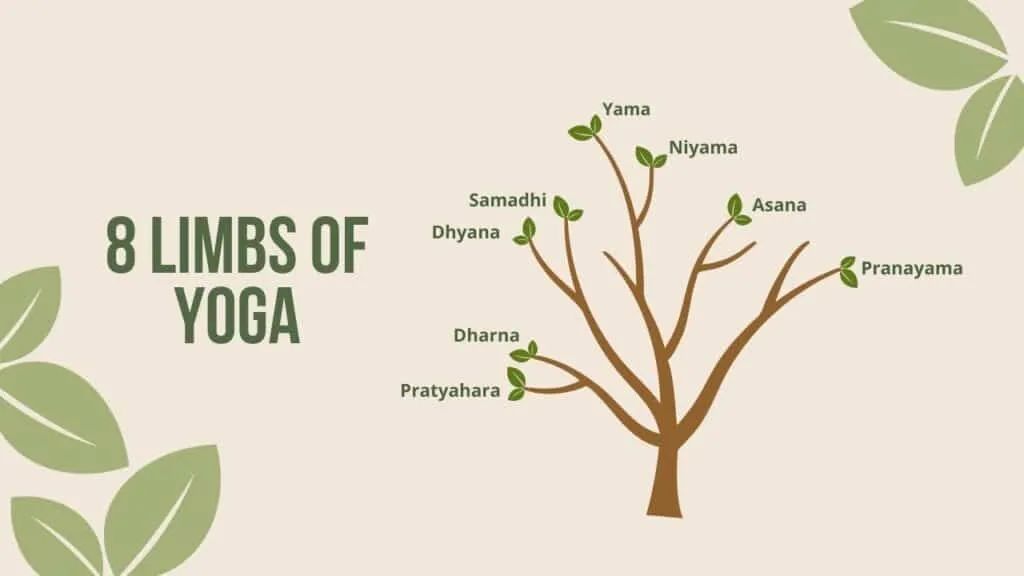
The Eight Limbs of Yoga (Complete List)
- Yama – Ethical restraints (how we relate to others)
- Niyama – Personal observances (how we relate to ourselves)
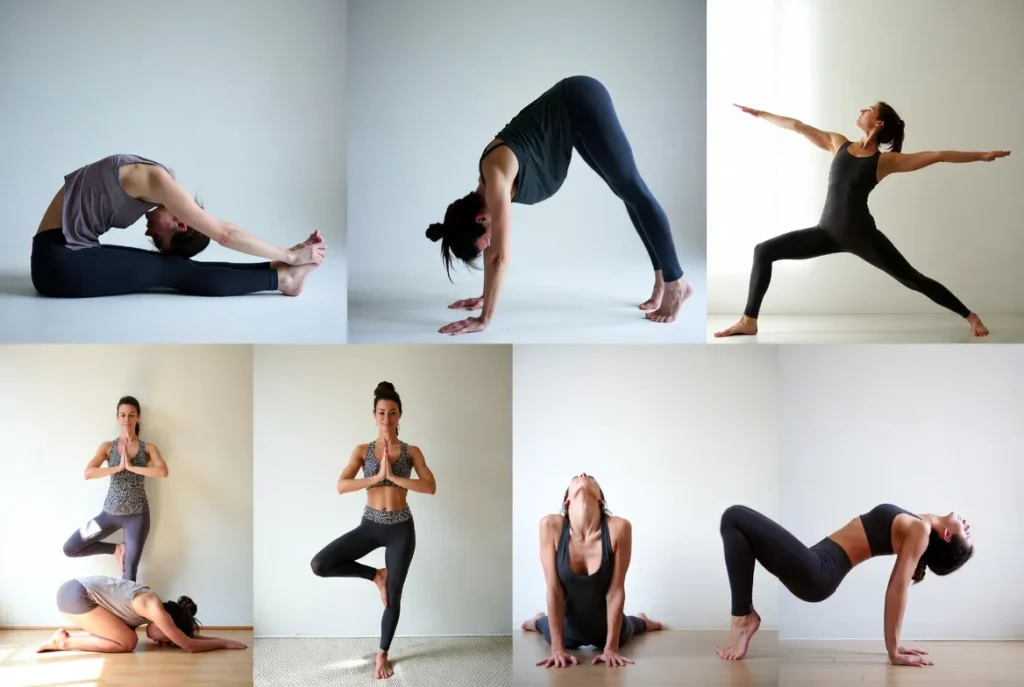
- Asana – Physical postures
- Pranayama – Regulation of breath and life energy
- Pratyahara – Withdrawal of the senses
- Dharana – Concentration
- Dhyana – Meditation
- Samadhi – Enlightenment, absorption, or union
Together, these limbs form a roadmap to self-regulation, mental liberation, emotional balance, and inner peace.
Historical Origins: Patanjali and the Yoga Sutras
The Yoga Sutras of Patanjali are one of the most influential books within the whole tradition of yoga, and their philosophical foundation is the eight limbs of yoga.
Patanjali was not perturbed by religious dogma or belief systems. His method was realistic, applied, and an existential method. His teachings focused on:
- Direct inner observation
- Mental discipline and awareness
- Liberation from suffering and confusion
At the heart of the Yoga Sutras lies a simple yet profound inquiry:
Why does the human mind suffer, and how can it become peaceful?
Patanjali’s answer was yoga — not as physical exercise, but as a science of the mind.
Yoga Sutras in Simple Words
- The mind becomes agitated due to thoughts, cravings, fears, memories, and attachments
- These mental fluctuations create emotional pain and confusion
- Yoga teaches methods to quiet these disturbances
- When the mind becomes still, clarity, insight, and peace naturally emerge
The eight limbs of yoga were designed to support this process of mental stillness and awareness — not merely physical conditioning.
Why the 8 Limbs of Yoga Matter Beyond Yoga Postures
In contemporary culture, yoga is often reduced to asana practice alone. However, Patanjali regarded asana as only one limb out of eight, and not the most important one.
Physical Yoga vs. 8 Limbs of Yoga
| Aspect | Physical-Only Yoga | 8 Limbs of Yoga |
| Primary focus | Fitness & flexibility | Whole-life transformation |
| Ethics | Often overlooked | Foundational principle |
| Mental health | Secondary benefit | Central objective |
| Spiritual growth | Optional | Integral |
| Long-term impact | Limited | Deep and sustainable |
When yoga is practiced solely as exercise, its benefits remain confined to the body.
When practiced as Ashtanga Yoga, it transforms:
- Thought patterns
- Emotional responses
- Daily habits
- Interpersonal relationships
- Life direction and purpose
Detailed Breakdown of the 8 Limbs of Yoga
Yama: Ethical Principles for Living
The first limb of yoga is referred to as yama, and it is the ethical framework of the whole system. It controls the ethics of discipline, social duty, and our relationship with the world and other people.
One can imagine Yama as the universal code of ethics for establishing harmony in society and in oneself.
The Five Yamas Explained
1. Ahimsa (Non-Violence)
Ahimsa means avoiding harm in all forms — physical, verbal, emotional, and psychological.
This includes compassion toward oneself.
Modern example:
Replace harsh self-criticism with supportive inner dialogue and respond calmly instead of reacting aggressively.
2. Satya (Truthfulness)
Satya involves honesty in thought, speech, and action. However, truth must always be guided by kindness and wisdom.
Modern example:
Communicating transparently at work without being cruel or insensitive.
3. Asteya (Non-Stealing)
Asteya means not taking what is not freely offered — including time, energy, attention, or intellectual property.
Modern example:
Respecting others’ boundaries, deadlines, and creative work.
4. Brahmacharya (Moderation)
Brahmacharya refers to the conscious use of energy and avoiding excess.
Modern example:
Balanced screen time, mindful relationships, and sustainable work habits.
5. Aparigraha (Non-Possessiveness)
Aparigraha teaches non-attachment and freedom from greed.
Modern example:
Not tying self-worth to money, possessions, or social status.
Why Yama Matters Today
Practicing Yama:
- Improves communication and relationships
- Reduces conflict and emotional reactivity
- Builds ethical awareness
- Cultivates inner calm
Niyama: Personal Observances
While Yama governs external conduct, Niyama focuses inward. It teaches self-discipline, self-reflection, and personal responsibility.
The Five Niyamas Explained
1. Saucha (Cleanliness)
Saucha refers to the purity of body, mind, and environment.
Example:
Nutritious food, organized living spaces, and mindful thoughts.
2. Santosha (Contentment)
Santosha means acceptance and gratitude for the present moment.
Example:
Valuing progress over perfection and appreciating what already exists.
3. Tapas (Discipline)
Tapas is the inner fire that fuels consistent effort and growth.
Example:
Maintaining a daily yoga or meditation practice even when motivation fades.
4. Svadhyaya (Self-Study)
Svadhyaya involves introspection, learning, and self-inquiry.
Example:
Journaling, reflection, or studying yoga philosophy.
5. Ishvara Pranidhana (Surrender)
This is a surrender to a higher intelligence or greater order.
Example:
Letting go of control and trusting life’s unfolding.
Benefits of Niyama
- Emotional balance
- Self-discipline
- Healthy routines
- Inner confidence
Asana: Physical Postures
In classical yoga, asana originally meant a steady and comfortable seat for meditation — not acrobatics or extreme flexibility.
True Purpose of Asana
- Strengthen and stabilize the body
- Improve alignment and posture
- Reduce physical discomfort
- Prepare the body for stillness
Asana is a supportive tool, not the ultimate goal.
Modern Asana Practice
Today’s yoga postures:
- Enhance mobility and strength
- Support nervous system regulation
- Improve mental health
However, asana alone does not constitute complete yoga.
Pranayama: Breath & Life Force Control
Pranayama is the conscious regulation of breath to influence prana — vital life energy.
Breath directly links:
- Body
- Mind
- Nervous system
Benefits of Pranayama
Stress reduction
Emotional regulation
Increased lung capacity
Improved focus and vitality
Simple Pranayama Practices
- Diaphragmatic breathing
- Alternate nostril breathing
- Slow rhythmic breathing
Even 5–10 minutes daily can profoundly shift mental state.
Pratyahara: Withdrawal of the Senses
Pratyahara is the transitional limb between external and internal yoga.
What Is Pratyahara?
It is the practice of drawing attention inward by reducing sensory overload.
Modern Sensory Overload
- Notifications
- Endless scrolling
- Noise and constant stimulation
Modern Pratyahara Examples
- Digital detox periods
- Mindful eating
- Silence and stillness
- Screen-free time
Pratyahara calms the mind at a deep level.
Dharana: Concentration
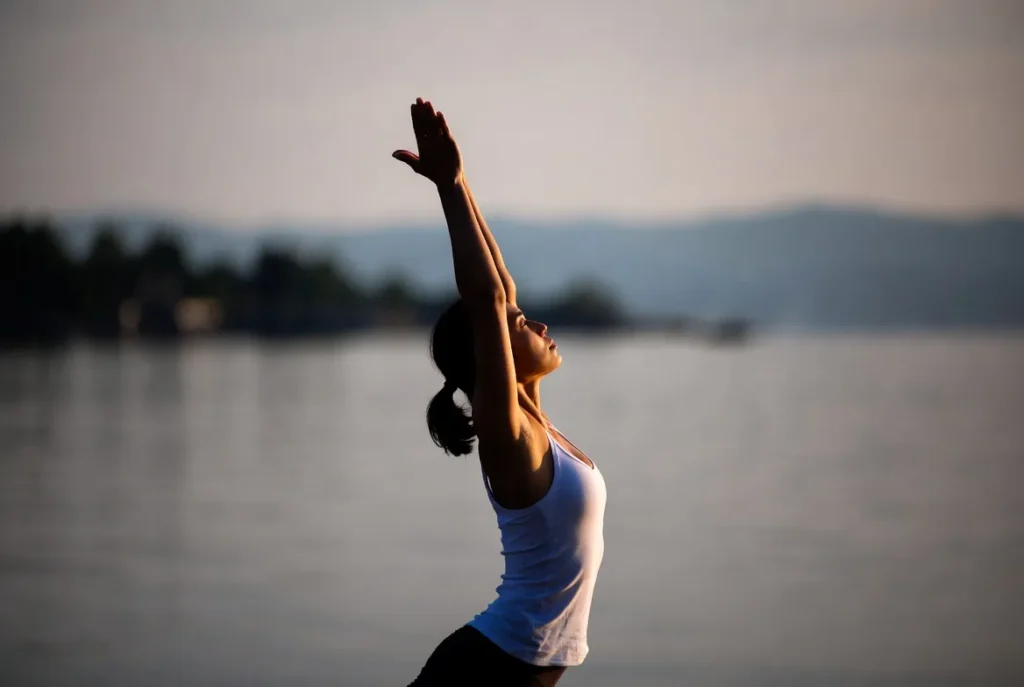
Dharana is sustained focus on a single object or point of awareness.
Objects of Concentration
- Breath
- Mantra
- Candle flame
- Bodily Sensation
Why Dharana Matters
Improves focus
Reduces mental clutter
Prepares the mind for meditation
Dhyana: Meditation
Dhyana is effortless, continuous awareness — true meditation.
Unlike Dharana, which requires effort, Dhyana flows naturally.
Benefits of Dhyana
Emotional equilibrium
Mental clarity
Self-awareness
Reduced anxiety
Meditation is not about forcing silence — it is about allowing stillness.
Samadhi: Enlightenment & Union
Samadhi is complete absorption and unity.
It is not:
Escapism
Loss of individuality
It is:
Deep presence
Freedom from ego
Clear perception
Samadhi emerges naturally through consistent practice.
Benefits of Practicing All 8 Limbs of Yoga
Physical Benefits
Improved posture
Nervous system balance
Increased energy
Mental & Emotional Benefits
Reduced stress
Emotional resilience
Sharpened focus
Spiritual Benefits
Sense of meaning
Inner peace
Self-understanding
How to Apply the 8 Limbs in Daily Life
Simple Daily Practice Plan
| Limb | Daily Practice |
| Yama | Kindness & honesty |
| Niyama | Gratitude journaling |
| Asana | 20–30 min movement |
| Pranayama | 5–10 min breathing |
| Pratyahara | Screen-free time |
| Dharana | Focused awareness |
| Dhyana | 10 min meditation |
| Samadhi | Cultivated naturally |
Consistency matters more than perfection.
Common Misconceptions About the 8 Limbs of Yoga
Yoga is only stretching
You must master poses first
Enlightenment is unrealistic
Yoga is religious
Truth:
Yoga is a universal life science suitable for all people.
FAQs
Not strictly. They evolve together, though ethical foundations support deeper practices.
No. The eight limbs improve mental health, relationships, and decision-making.
Yes. Start small and remain consistent.
Guidance is helpful, but self-study and self-awareness are essential.
Conclusion
The 8 Limbs of Yoga are not outdated philosophy — they are a timeless blueprint for conscious living.
When yoga extends beyond poses into:
- Thoughts
- Breath
- Actions
- Relationships
Life itself becomes yoga.
In today’s distracted and overstimulated world, the philosophy of Ashtanga Yoga is more relevant than ever. By practicing the eight limbs, yoga becomes not something you practice occasionally — but a way of living with clarity, compassion, and purpose.
Explore more yoga philosophy and practical guides on theyogafitness.com and begin living yoga beyond the mat.
