
Introduction
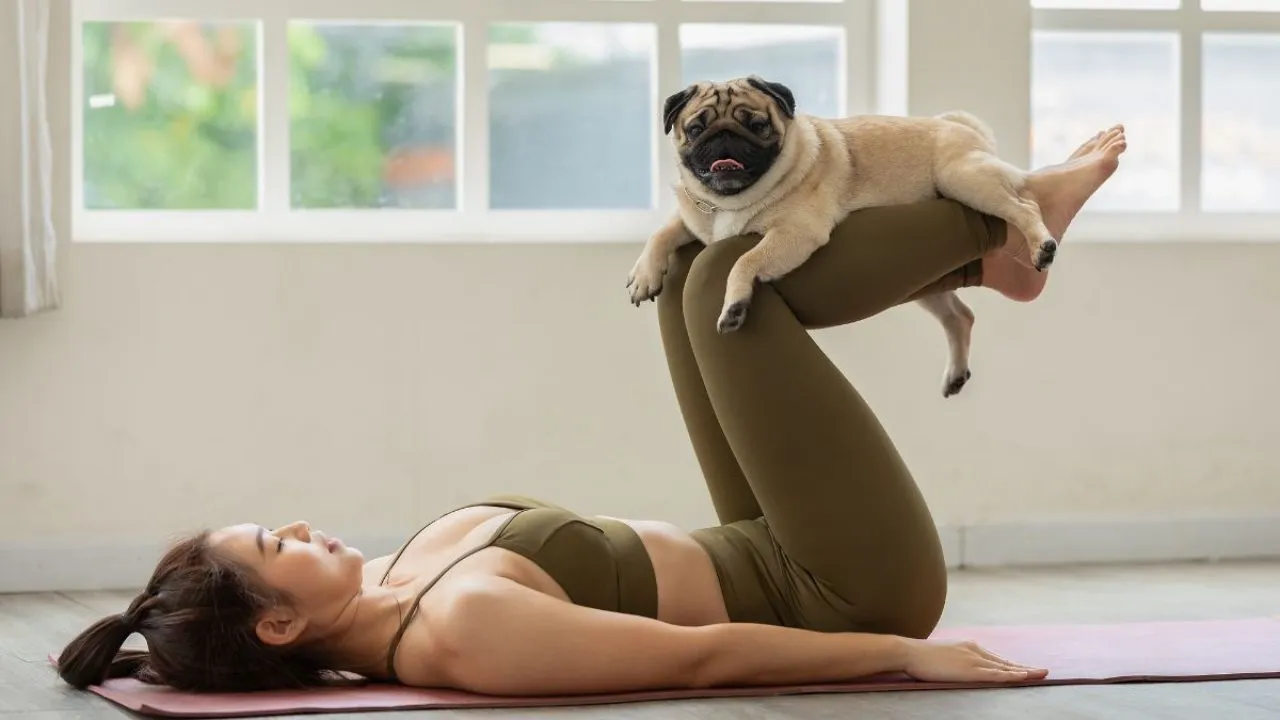
The practice of Yoga With Puppies has rapidly become one of the most endearing and popular wellness practices worldwide. It is a combination of two things that everyone loves: calming and easy-going yoga, and the happiness of puppies playing around. During a regular session, there is slow-moving and easy stretching accompanied by little and loyal puppies that play freely. They can cuddle up by your side, sleep close to your bed, jump in your lap, or just keep on playing with each other, causing a calming and mood-escalating atmosphere that will melt away the stress.
What Is Puppy Yoga?
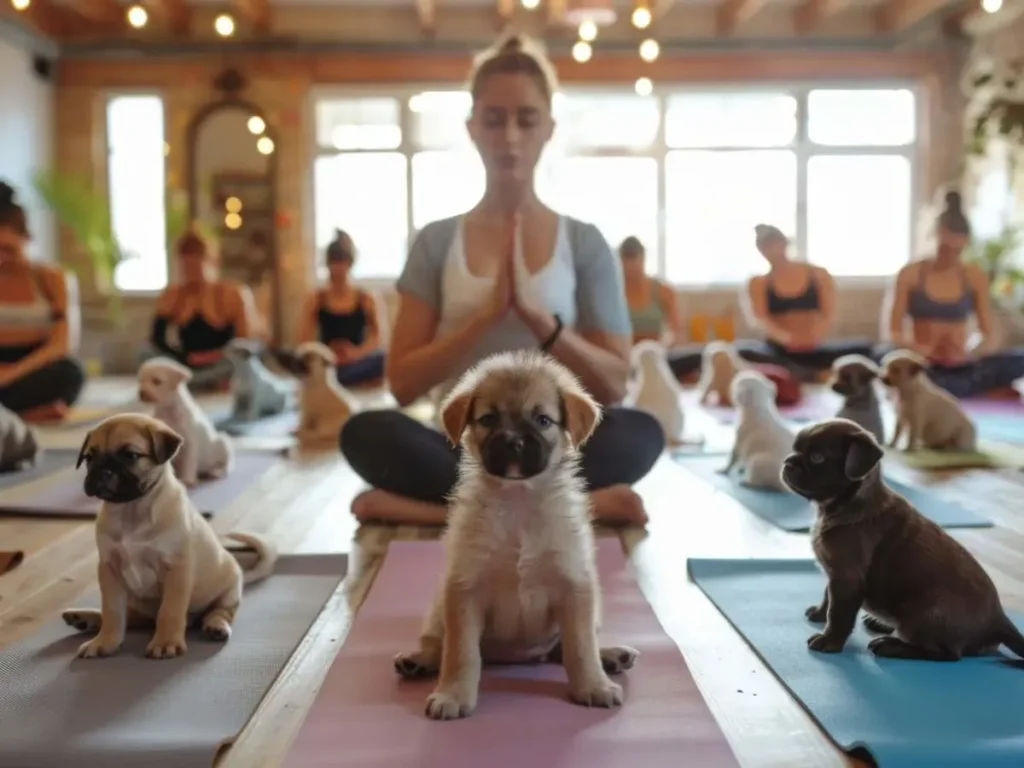
Puppy yoga is a specialized, joyful form of yoga where participants perform simple, gentle poses while energetic, healthy puppies roam, socialize, and interact with the group. These puppies might:
- hop onto your mat
- curl into your lap
- play with toys nearby
- nap against your legs
- lick your hands
- explore the room curiously
- interact with classmates naturally
Unlike traditional yoga, the focus here is not on perfect alignment or intense physical effort — the focus is on relaxation, emotional comfort, and positive interaction with the puppies.
How Puppy Yoga Works
A typical puppy-yoga session follows a friendly and accessible flow:
- A yoga instructor leads gentle stretches suitable for absolute beginners.
- Vet-approved, socialized puppies (usually 8–12 weeks old) are brought into the room.
- Participants perform easy, slow movements while puppies roam freely.
- Puppies interact at their own pace while handlers supervise.
- After yoga, there is a puppy playtime or adoption awareness session.
Typical Class Duration
45–60 minutes, usually divided into:
- 30–40 minutes of gentle yoga
- 10–20 minutes of structured puppy interaction
Where Puppies Come From
Ethical and responsible puppy-yoga events only partner with:
- officially registered shelters
- legitimate, responsible breeders
- certified foster networks
- licensed rescue organizations
These groups ensure puppies are:
- vaccinated
- dewormed
- medically screened
- behaviorally assessed
- safely transported
What the Research Says (Science + Real-World Evidence)
Although puppy yoga is relatively new, it sits at the intersection of two highly studied wellness fields:
Yoga’s Proven Physical & Mental Benefits
Scientific studies consistently show yoga can:
- reduce cortisol (stress hormone)
- improve mindfulness
- increase flexibility and mobility
- enhance body awareness
- support emotional stability
- reduce anxiety and tension
- encourage better sleep patterns
Human–Animal Interaction (HAI) Research
Decades of animal-therapy research show interactions with puppies or therapy dogs can:
- increase oxytocin (bonding hormone)
- elevate serotonin & dopamine
- decrease stress hormones
- reduce feelings of loneliness
- boost social connection
- improve emotional well-being
- calm the nervous system
Therapy animals are widely used in:
- hospitals
- schools
- rehabilitation centers
- mental-health clinics
- senior-care facilities
Real-World Evidence from Puppy-Yoga Studios
Many studios and rescue shelters report:
- significantly higher attendance than traditional yoga
- immediate and lasting mood improvements
- increased adoption rates
- stronger community participation
- Reduced social anxiety among participants
- positive outcomes for puppies’ socialization
Even without clinical puppy-yoga-specific trials, the combined evidence from yoga + animal therapy creates strong scientific support for its emotional and wellness benefits.
Benefits of Puppy Yoga for Participants
Puppy yoga provides a blend of physical, emotional, and social benefits.
Physical Benefits
- gently stretches stiff muscles
- enhances joint mobility and range of motion
- increases light physical activity
- perfect for beginners, seniors, and non-athletes
- improves posture through slow, guided movement
- reduces physical tension in the hips, back, and shoulders
Mental & Emotional Benefits
- boosts mood instantly
- reduces stress and anxiety
- Puppy cuddles encourage emotional comfort
- increases oxytocin and serotonin
- helps combat loneliness
- creates a peaceful, playful environment
- enhances mental clarity and relaxation
- provides grounding for people with busy lifestyles
Social Benefits
- fun group-bonding experience
- great for families, friends, or co-workers
- sparks natural conversation
- perfect for team-building
- social-media friendly & highly shareable
Marketing & Community Benefits for Studios
- extremely viral content
- high booking and attendance rates
- excellent for brand visibility
- potential for rescue partnerships
- encourages community involvement
- strong customer retention
- effective event-based marketing
Benefits & Risks for Puppies
The most ethical puppy-yoga events prioritize the well-being and safety of the puppies above everything else.
Potential Benefits for Puppies
- exposure to gentle human interaction
- positive early socialization experiences
- controlled playful environments
- increased adoption visibility
- familiarity with different people, scents, and spaces
- emotional enrichment and safe stimulation
- more opportunities to find committed families
Potential Risks (If Not Done Properly)
Puppies may be exposed to:
- overstimulation
- loud noises
- inappropriate handling
- unsanitary settings
- tiredness or stress
- unsafe temperatures
- dehydration
- germs or unvaccinated animals
Ethical Red Flags (Avoid These)
A responsible class should NEVER:
✖ Use puppies under 8 weeks old
✖ run overcrowded classes
✖ operate without trained animal handlers
✖ ignore puppy stress signs (trembling, hiding, whining)
✖ Use unclean mats or dirty spaces
✖ expose puppies to harsh lights or loud music
✖ allow long sessions without breaks
Ethical puppy yoga always protects the puppies first.
Step-by-Step Guide: How to Run a Safe & Ethical Puppy Yoga Class
This is one of the most complete hosting checklists available online.
Perfect for:
- yoga teachers
- studio owners
- event planners
- rescue organizations
- foster networks
- breeders
- pet-business owners
Pre-Event Preparation
Partner With Trusted Organizations
Work with:
- reputable breeders
- licensed shelters
- certified rescues
- vetted foster programs
They must provide:
- vaccination records
- deworming confirmation
- veterinary health certificates
- behavioral assessments
Create a Written Agreement
Include:
- puppy-handling rules
- rest & hydration protocols
- transport guidelines
- maximum class size
- sanitation procedures
- Responsibilities for each party
- adoption-showcase rules
Venue Preparation
Environment Requirements
- non-slip, safe flooring
- clean yoga mats or washable mats
- secure, enclosed room
- temperature: 20–24°C (ideal for puppies)
- soft lighting
- calm background music (if any)
- no overwhelming scents or perfumes
Sanitation Supplies
Always have:
- pet-safe cleaning sprays
- paper towels
- sanitizing wipes
- hand sanitizer
- puppy pads
- cleaning station for accidents
Staffing & Roles
Every class should have:
Yoga Instructor
- leads a slow, relaxed flow
- ensures beginner-friendly poses, adapts movements for Puppy Safety
- communicates clearly and calmly
Animal Handler / Puppy Wrangler
- monitors puppy behavior
- separates stressed puppies
- ensures hydration and rest
- guides interaction
- manages safety and hygiene
Support Staff (Optional)
- manages check-in
- photographs content
- assists with cleanup
- helps with adoption info
Class Structure
Recommended Format
| Segment | Duration | Purpose |
| Welcome + Rules | 5 min | Orientation |
| Gentle Yoga Flow | 25–35 min | Movement + relaxation |
| Puppy Playtime | 10–20 min | Controlled interaction |
| Adoption Showcase | Optional | Meet-and-greet |
Post-Class Protocol
After every session:
- Fully sanitize the room
- Check puppies for fatigue
- ensure hydration & rest
- safely transport puppies back
- Share adoption info or follow-up links
- send participant photos/recaps (optional)
Variations of Puppy Yoga
Beginner Puppy Yoga
- easy stretches
- floor-based poses
- slow transitions
- extra puppy breaks
Intermediate Puppy Yoga
- light flow sequences
- standing poses
- controlled transitions
Advanced Puppy Yoga
- balance work
- light core sequences
- requires a highly controlled environment
Adoption-Focused Puppy Yoga
- rescue collaboration
- foster-parent introductions
- adoption awareness
Corporate Puppy Yoga Events
- workplace wellness
- stress-relief workshops
- team-building sessions
Step-by-Step Instructions for Doing Puppy Yoga at Home
Choose a Safe Space
- non-slip surface
- no small or sharp objects
- blankets and mats
- calm environment
Prepare Your Puppy
Ensure:
- Vaccinations are updated
- The puppy is hydrated
- The puppy had a short walk or play session
Keep Poses Simple
- cat-cow
- seated forward fold
- butterfly pose
- downward dog
- easy twists
Add Play Intervals
Pause every 5–7 minutes for gentle puppy interaction.
End with Calm Time
Let your puppy nap or rest beside you during savasana.
Proper Form & Alignment Tips
- Keep your spine elongated
- avoid abrupt movements
- engage your core
- Align knees with ankles
- Use yoga blocks or pillows
Muscles Targeted in Puppy Yoga
- hamstrings
- hip flexors
- glutes
- lower back
- shoulders
- chest
- core
Common Mistakes to Avoid
- forcing puppies to interact
- using loud music
- overcrowded rooms
- lifting puppies incorrectly
- ignoring sanitation
- skipping handler supervision
- not letting puppies rest
Safety Tips
- always have a trained handler
- Provide clean surfaces. Never wake a sleeping puppyOfferr water and rest breaks. Use soft lighting. Stop interaction if a puppy seems Overwhelmed
Contraindications — Who Should Avoid Puppy Yoga?
- severe dog allergies
- people recovering from surgery
- Anyone afraid of dogs
- those wanting silent meditation
- puppies under 8 weeks
Tips for Beginners
- arrive early
- bond with puppies before class
- wear comfortable clothing
- Don’t expect perfect yoga
- enjoy the moment, take photos mindfully
The Ethics of Puppy Yoga
Ethics are at the core of responsible puppy yoga.
Key Principles: Prioritize welfare over content
- follow veterinary guidelines
- maintain small class sizes
- collaborate with trusted organizationsAvoidd very young puppies
- Provide breaks, hydration, and rest. Maintain sanitation at all times
Responsible puppy yoga ensures both humans AND puppies thrive.
Puppy Yoga Pros & Cons
| Pros | Cons |
| boosts mood | The risk of overstimulation if poorly managed |
| fun & social | requires trained handlers |
| helps adoption | Not suitable for allergy sufferers |
| beginner-friendly | must follow strict hygiene |
| great marketing tool | Legal requirements may vary |
FAQs
Yes — when done responsibly with trained handlers, sanitized spaces, and healthy, vet-approved puppies.
Yes. Many events allow adoption inquiries through official rescue procedures.
Not in ethical classes. Stress occurs only when studios ignore welfare guidelines.
A minimum of 8–12 weeks. Younger puppies should never participate.
Comfortable clothes, a clean mat, water, and a relaxed mindset.
Conclusion
Puppy Yoga is one of the most uplifting and heart-warming wellness activities available today. It combines calming yoga poses with adorable puppy interaction, giving participants emotional relief, physical relaxation, social connection, and unforgettable joy. When done responsibly, it benefits both humans and puppies — humans enjoy stress-free relaxation, while puppies receive early socialization, attention, and improved chances of adoption.
