
Introduction
The physical activity and health boom is undeniable – and it is the boutique studios that have become the leaders of this movement. Yoga Six is one of these Boutique Businesses and the fastest-growing brand of yoga franchise in the United States. When you are wondering, What is the cost of a Yoga Six franchise in 2025? This is a manual that is rigorously designed in your favour.
Such a total breakdown breaks down all areas of the investment, including the initial start-up expenses, ongoing operation expenses, potential revenue, financing options, and SBA loan facilities. Furthermore, we discuss legitimate figures obtained based on the 2025 Franchise Disclosure Document (FDD), and we provide factual information and not estimates.
With the help of the guide, you will understand better whether the idea of starting a franchise with Yoga Six fits your business and financial goals.

What Is a Yoga Six Franchise?
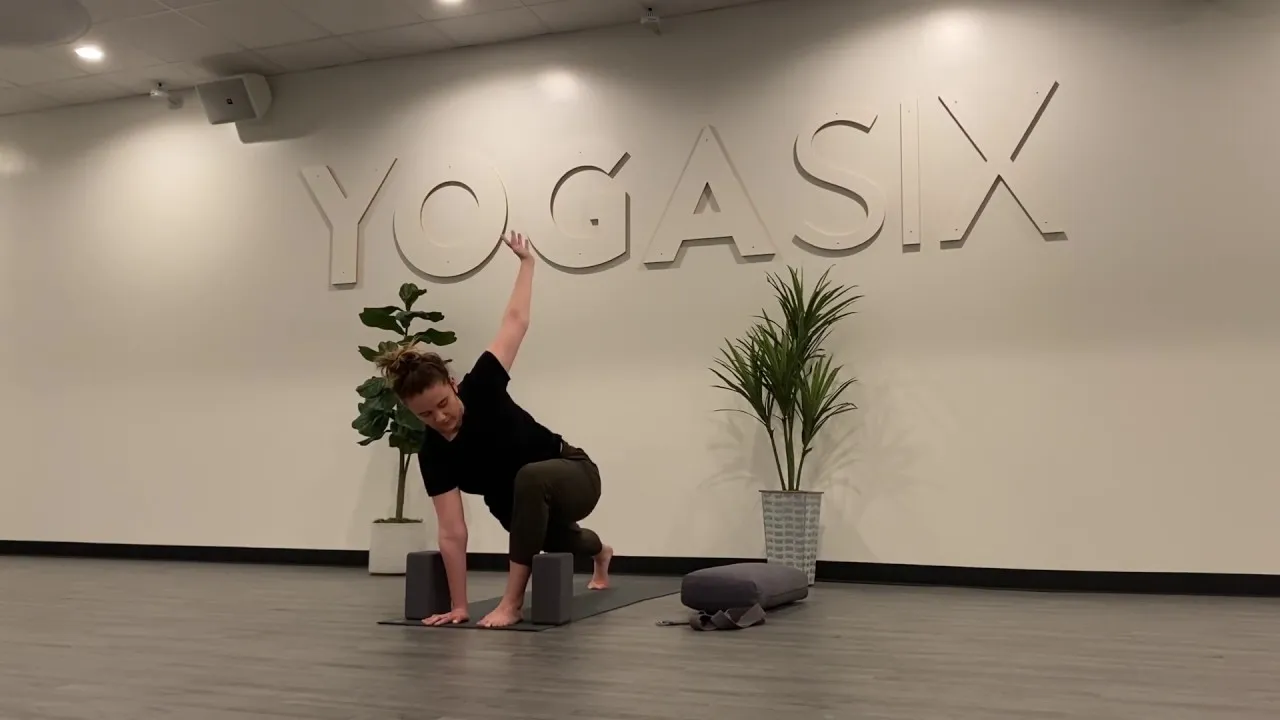
Yoga Six is a modern era community-based yoga studio chain. Unlike other schools of yoga or big business gyms, Yoga Six focuses on a non-intimidating boutique experience. Courses focus on beginners and experienced professionals, with an emphasis on practical outcomes for ordinary people.
As a rule, the Yoga Six studios have 2,000-3,000 square feet between the retail premises. Membership plans involve monthly plans or classes, and they will yield recurrent revenue. The franchisor offers branding, operational assistance, and country-wide marketing facilities such that new franchisees do not begin all over again.
By the year 2025, Yoga Six has grown to almost 200 studios within the integrated States, providing strong training, technology, and community action support.
Yoga Six Franchise Cost Breakdown (2025)
It is important to know the amount of investment to make informed decisions. The following table provides an analysis of the startup expenses of opening the Yoga Six studio.
Initial Investment
| Cost Component | Estimated Amount ($) |
| Franchise Fee | 60,000 |
| Real Estate / Lease Fees | 23,000 – 51,000 |
| Net Leasehold Improvements | 285,500 – 416,000 |
| Signage | 9,500 – 25,000 |
| Fitness Equipment & FF&E | 36,600 – 60,000 |
| Pre-Opening Inventory | 13,000 – 18,000 |
| Marketing & Initial Advertising | 35,370 – 51,500 |
| Additional Working Capital | 25,000 – 66,000 |
| Total Estimated Investment | 529,233 – 826,265 |
The start-up costs are between $529,000 and 826,000.
This amount includes all the necessities needed to go until the initial months.
Hint: The prices vary based on the location of the studio, lease terms, and construction prices, which tend to be higher in the city.
Financial Requirements You Must Meet Before Signing
Franchise qualification criteria are established to ensure prospective owners possess the financial resilience needed for sustained operations.
Minimum Money Requirements
| Requirement | Amount ($) |
| Minimum Net Worth | ~500,000 |
| Liquid Cash Requirement | ~100,000+ |
Net Worth: Refers to the sum of assets that is adequate to cover the franchise.
Liquid Cash: Easily available cash that is not tied to illiquid investments.
This set of thresholds prevents unexpected spending and provides stability in the work in the first stage of growth.
Ongoing Franchise Fees You Must Pay
Operational fees recur once your franchise launches. These charges fund marketing campaigns, technological support, training programs, and brand development.
Yoga Six Ongoing Fees
| Fee Type | Amount / Rate |
| Royalty Fee | 7% of Gross Sales |
| Ad/Marketing Fee | 2% of Gross Sales |
| Tech/Brand Fund | ~2% (variable) |
| Fixed Fees | Minor processor/technology charges |
Such royalty and marketing fees are standard across franchise systems.
- These fees reduce net profits, necessitating careful financial planning.

What Does the 2025 FDD Reveal? Real Financial Data
The Franchise Disclosure Document (FDD) provides transparent insight into the actual revenue generated by existing Yoga Six locations.
Yoga Six Revenue Benchmarks
| Metric | Amount ($) |
| Average Annual Revenue per Studio | ~488,615 |
| Median Annual Revenue per Studio | ~468,417 |
These metrics illustrate the potential revenue before Deducting operational costs, royalties, and additional expenses.
Important: Net profit per franchisee is not uniformly disclosed, but revenue figures offer a realistic expectation of performance.
Understanding Profit Potential & Expenses
Revenue alone does not equate to profitability. Comprehending operating expenses is essential for accurate profit estimation.
Common Ongoing Expenses
- Rent and occupancy fees
- Payroll (instructors, studio managers, administrative personnel)
- Utilities (including specialized heating for certain classes)
- Insurance, permits, and licensing
- Supplemental marketing efforts beyond franchise allocations
- Supplies, cleaning, and maintenance
Estimating Profit Margin
Net Profit ≈ Gross Revenue – (Operating Costs + Royalties + Fees)
Example Profit Estimate
If a studio generates $500,000 annually:
| Revenue | 500,000 |
| Operating Costs (50%) | –250,000 |
| Franchise Fees (9%) | –45,000 |
| Net Profit Estimate | 205,000 |
This illustrates potential profitability, though results vary by market and operational efficiency.
Break-Even & ROI
Financial analysts often estimate the timeline to recover the initial investment.
Expected Timeline
| Milestone | Timeframe |
| Break-Even | ~12–24 months |
| Full ROI | ~2–5 years |
Rapid membership growth accelerates break-even.
- Underperforming locations may experience prolonged payback periods, particularly if operational costs are elevated.
Financing Your Yoga Six Franchise
Most entrepreneurs do not finance franchises entirely with personal funds. The Small Business Administration (SBA) loan is a prevalent option.
SBA Loans (7(a) Program)
Benefits:
- Lower upfront payments
- Extended repayment schedules
- Competitive interest rates
SBA loans often finance:
- Franchise fees
- Build-out and leasehold modifications
- Equipment procurement
- Working capital
Typical SBA Loan Size: ~$433,338
Default Rate: ~1.6%
Third-Party Lenders & Franchise Financing
Some expenditures may exceed SBA coverage. Alternative financing includes:
- Commercial lenders
- Franchisor financing programs
- Private loans for leasehold improvements, Inventory, and working capital
Yoga Six vs. Other Fitness Franchises 2025
| Franchise | Investment Range ($) | Royalty Fee |
| Yoga Six | 529K – 826K | 7% |
| F45 Training | 294K – 719K | ~7% |
| StretchLab | 269K – 610K | ~8% |
| JAZZERCISE | 2K – 3K | ~20% |
Yoga Six positions itself in the mid-to-high investment spectrum but generally offers superior revenue potential and market growth compared to competitors.
Pros & Cons of Owning a Yoga Six Franchise
Pros
- Well-established brand recognition nationwide
- Verified business model backed by FDD data
- Comprehensive marketing and operational support
- Thriving wellness market
- SBA loan eligibility
- Recurring membership revenue
Cons
- Considerable upfront capital required
- Recurring fees reduce profitability
- Intense local competition
- Requires active oversight or reliable management
- Profitability is dependent on local demand and pricing strategy
Is It Worth Investing in a Yoga Six Franchise in 2025?
To conclude, the Yoga Six franchise can be a highly profitable business subject to careful planning and implementation.
Conditions for Success
Using strategic and high-traffic sites.
Productive control of operating expenses.
Developing a community of loyal members.
Localizing marketing and community outreach.
Hiring and keeping talented teachers and employees.
A well-implemented franchise of Yoga Six can make it a lucrative, satisfying enterprise, and it will benefit both the franchisee and society.

FAQs
A: The initial investment will be about $529 233 to $826 265 in the form of franchise fees, leasehold improvements, equipment, and working capital.
A: Franchisees pay a 7 percent royalty fee, and 2 percent marketing fee, and contributions to the tech and brand fund.
A: As a rule, a net worth of 500,000 and liquid assets of more than 100,000 are needed.
A: Yes, a lot of franchisees use SBA 7(a) loans for large expenses.
A: It is estimated that the break-even will be between 12-24 months, and full ROI between 2-5 years.
Conclusion
The proposed Yoga Six Franchise investment in 2025 is a high capital investment with real financial performance, a good brand, and a wellness market that is performing. When choosing a location, proper cost management, and an experienced management team, a Yoga Six franchise will become a profitable, community-oriented business that will lead to long-term wealth generation. This is because with the comprehensive cost analysis, revenue potential, as well and qualification requirements, now you are ready to make an informed decision about entering the Yoga Six franchise model.
