Introduction
At a time when we are all overwhelmed by an avalanche of stress, emotional fatigue, superficial stimulation, and Unending Electronic clutter, many people are not merely longing to be physically fit, but also in need of deep inner agility, mental acuity, emotional rediscovery, and spiritual enlightenment. Contemporary explorers need something more than the usual fitness regimes, something more genuine, something that will alleviate their sufferings and bring genuine calm.
This is the holy quest made in Siddha Yoga. In contrast to other yoga systems that are physical or exercise-oriented, Siddha Yoga is an ancient spiritual system that is intended to help a person to awaken the slumbering divine energy that is in him or her, and to tenderly lead aspirants towards a permanent state of self-awareness, freedom from inner conflict and permanent happiness.
This is a comprehensive manual that has been well designed to cater to the needs of both the novice and the expert practitioner. Inside, you will uncover:
What is really meant, and what is Siddha Yoga?
Its history, heritage, and ideology.
The Shaktipat mystical transmission and its awakening of spiritual energy.
Basic meditation and spiritual activities.
True mental, physiological, and spiritual advantages.
Considerations and controversies of safety, and errors that are likely to be made.
Integrating Siddha Yoga into modern life.
It is high time we should dive into this eye-opening exploration of a yoga tradition that will transform not only the body, but your inner world.
What Is Siddha Yoga?
In its turn, Siddha Yoga is essentially a spiritual discipline, a high level of inner science, which is based on the ancient system of Kashmir Shaivism and Vedanta philosophy. Siddha is a Sanskrit which can be translated as a mastered master, a person who has attained the immediate cognition of the truth, and Yoga is the merging, the amalgamation of personal awareness with universal reality.
In essence:
Siddha Yoga is a divinely charged spiritual path offering guidance to a seeker in the pursuit of his self-realization, Godly illumination, and genuine satisfaction.
In contrast to Hatha or fitness-based yoga styles, which are mainly concerned with poses and physical health, Siddha Yoga is concerned with inner growth – discovering deeper realms of consciousness and relating you with your true nature.
This is the path that is marked by:
Meditation deep inward concentration in order to calm the mind.
Mantra recitation – sonic sound that cleanses the mind.
Shaktipat Diksha – the transmission of spiritual energy.
Self-inquiry, Self-reflection, inquiry into the genuine self.
Seva (selfless service) – devout service to retire the ego.
The ultimate goal of Siddha yoga is not just tranquillity or relaxation, it is thefirst-handd experience of your eternal and infinite Self.
Origins & Lineage of Siddha Yoga
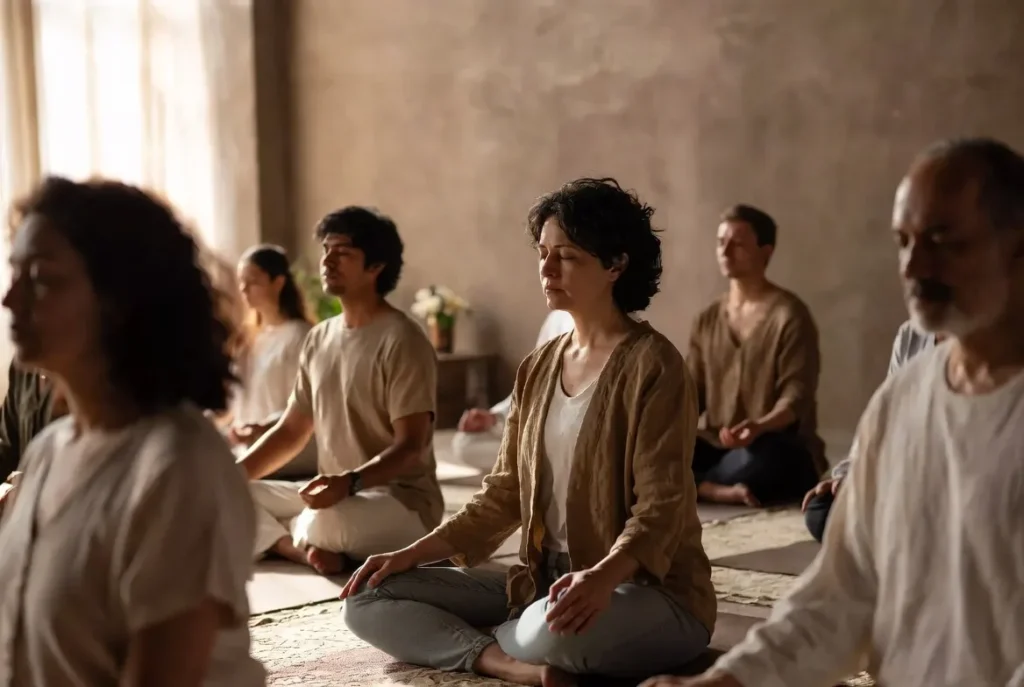
Siddha Yoga is not a random collection of techniques — it belongs to a living spiritual lineage, a chain of enlightened masters who have preserved and transmitted this wisdom through time.
Below is a simplified lineage schema:
| Lineage Figure | Contribution |
| Bhagawan Nityananda | The primordial root master who catalyzed modern revival |
| Swami Muktananda | Illuminated Siddha Yoga throughout the globe |
| Gurumayi Chidvilasananda | Contemporary spiritual guide and teacher |
The essence of Siddha Yoga lies in the Guru‑Disciple relationship — a dynamic of sacred transmission where a realized master awakens the dormant spiritual force within the aspirant.
What Is Shaktipat Diksha?
Shaktipat Diksha is the installation of divine impartation – the inoculation of spiritual power of an enlightened master to an earnest disciple. It is through this Tansmission that Kundalini, the primal energy, which is at the base of the spine, awakens.
Shaktipat is no mystical hype, or the imaginative fantasy of a mystic, but rather is defined in the yogic scriptures as an actual awakening of energy which leads to:
The arousal of Kundalini consciousness
Dissolution of deep‑rooted inner obstacles
Opening and harmonizing of chakras
Acceleration of spiritual evolution
As Kundalini starts to ascend, it is soft in cleansing the psyche – breaking down the old thought patterns, residues of emotions and inhibitory identifications. Such emancipatory process fosters clarity, freedom of emotion and increased awareness.
Core Siddha Yoga Practices
Authentic Siddha Yoga is not limited to posture sequences; it is a holistic framework of practices that promote inner quietude, awakening, and integration.
| Practice | Purpose |
| Shaktipat Diksha | Awakens inner spiritual energy |
| Mantra Meditation | Cultivates stillness, clarity and presence |
| Chanting | Purifies emotional and subtle layers |
| Seva (selfless service) | Dissolves ego and fosters compassion |
| Satsang (community teaching) | Shared learning and deep inquiry |
Together, these practices nurture a balanced, grounded, and transformative journey.
How to Practice Siddha Yoga Daily (Step‑by‑Step)
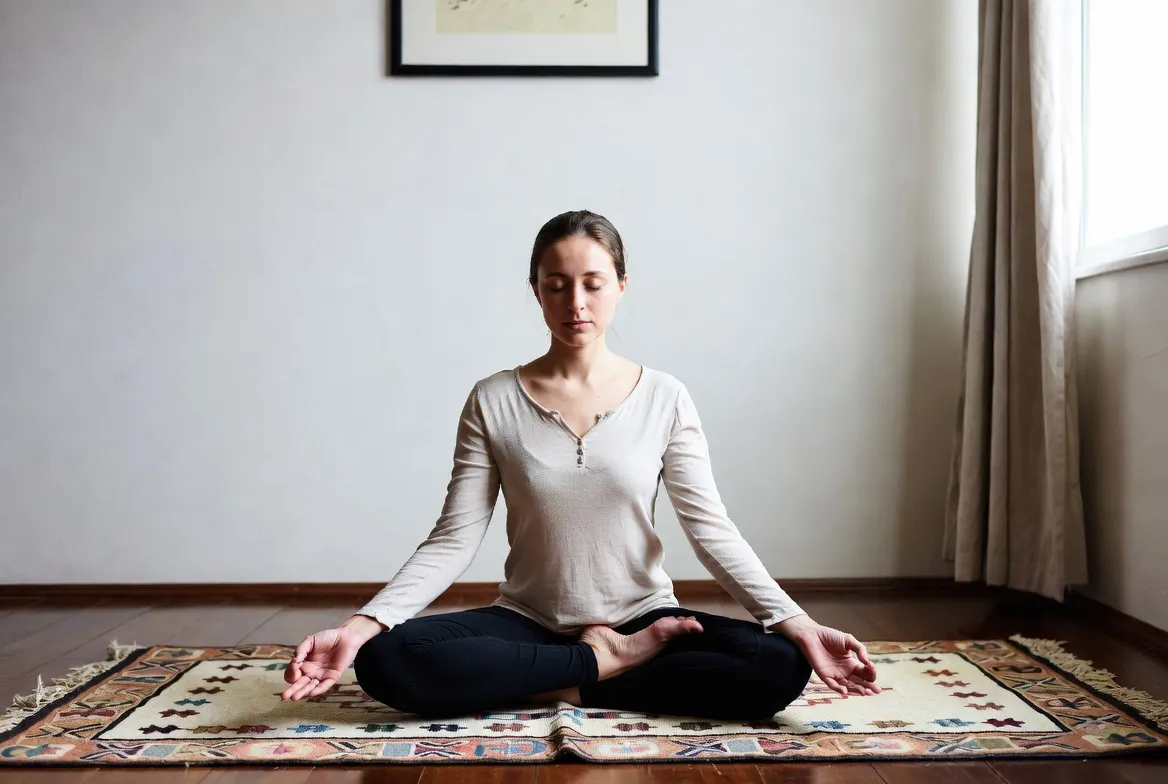
Here’s a beginner‑friendly routine to establish a daily Siddha Yoga meditation practice:
Beginner Routine
- Choose a quiet location — free of unnecessary distractions
- Sit with your spine straight — relaxed but erect
- Gently close your eyes
- Breathe slowly and calmly
- Repeat your chosen mantra silently
- Observe inner sensations without force
- Conclude with gratitude and rest quietly
Suggested Duration: Begin with 10–20 minutes per day, and as comfort deepens, gradually increase.
Breathing Technique
The breathing method widely incorporated in Siddha Yoga is deep nasal diaphragmatic breathing — a breath pattern that enhances physiological relaxation and supports meditative focus.
Technique:
Inhale slowly through the nose
Allow your belly to expand naturally
Exhale gently and completely
This breathing calms the nervous system and stimulates the vagus nerve, fostering a profound sense of tranquillity and deeper meditation.
Benefits of Siddha Yoga
Mental & Emotional Benefits
Reduction in anxiety and persistent worry
Enhanced ability to focus and stay attentive
Emotional equilibrium and resilience
Improved clarity and memory
Reduction in mental chatter
Physical & Physiological Benefits
Neural regulation and reduced sympathetic reactivity
Restful, deep sleep patterns
Alleviated fatigue and bodily tension
Hormonal stability
Better functioning of the respiratory and circulatory systems
Spiritual Benefits
Constant inner peace and serenity
Expanded states of Awareness
Heightened intuition and subtle perception
Sense of connection with the universal Self
Genuine spiritual awakening
Siddha Yoga is not just a set of techniques — it is a transformative lifestyle that nurtures mental harmony, somatic ease, and spiritual fulfillment.
Siddha Yoga vs Other Yoga Traditions
| Feature | Siddha Yoga | Kundalini Yoga | Raja Yoga |
| Central Goal | Self‑realization & liberation | Energy activation & balance | Mind mastery & control |
| Primary Tool | Shaktipat & meditation | Breath & kriyas | Meditation & ethical disciplines |
| Spiritual Depth | Extremely high | Moderate | High |
While each path is authentic, Siddha Yoga’s defining characteristic is the direct transmission of divine energy through Shaktipat, making it uniquely potent in catalyzing awakening.
Common Mistakes to Avoid
Even sincere seekers can encounter pitfalls. Avoid:
Forcing Kundalini energy before readiness
Ignoring guidance from experienced teachers
Expecting immediate transformation
Meditating excessively without integration
Effortless surrender and consistent grounding are keys to a balanced journey.
Safety Tips & Contraindications
Although Siddha Yoga is inherently gentle, certain individuals must practice with vigilance:
Those with severe psychological conditions
Individuals with cardiac or cardiovascular risk
Pregnant women (consult a physician)
People with complex emotional traumas
Always seek mentorship from trained guides rather than navigating intense experiences alone.
Beginner Tips
Here are some supportive habits for new practitioners:
Practice with patience and consistency
Maintain a reflective journal
Stay hydrated and well‑nourished
Cultivate humility and compassion
Siddha Yoga is not a sprint — it is a steady unfolding of inner clarity.
Myths & Controversies
There are persistent misconceptions about Siddha Yoga. Let’s clarify:
| Myth | Truth |
| It’s a cult | It’s a genuine spiritual tradition with ethical teachings |
| Kundalini energy is harmful | It is safe when awakened responsibly with guidance |
| Only Hindus can practice it | Siddha Yoga is universal and open to all |
Such myths often stem from misunderstanding or sensational interpretation, not from lived experience.
FAQs
No — while it draws from ancient wisdom traditions, it is essentially spiritual and non‑sectarian. People from diverse backgrounds can embrace it.
Yes — absolutely. A mindful, step‑by‑step approach makes it accessible to newcomers.
Many practitioners experience subtle shifts within several weeks, while profound transformation unfolds over months or years.
Conclusion
Siddha Yoga is not a shallow workout or an inspirational trend. It is a very ancient, spiritual journey, meant to open the inner light, emotional liberation, and great peace.
In the digital and high-paced environment of the current world, Siddha Yoga is a source of not only relaxation but also inner strength, purpose, and closeness to nature that you need.
Start small.
Practice daily with sincerity.
Let transformation unfold naturally.
The inner doorway to wholeness awaits.
