Introduction
In the new digital world, human bodies are silently dying under the cover. We live our lives in front of monitors, seats, and deadlines, and engage in intense physical exercises that bring fame to sweat, speed, and calories burned. Although these fitness trends build muscles and enhance endurance, they do not pay much attention to the more profound anatomical systems that actually define mobility, longevity, posture, joint health, emotional balance, and the balance of the nervous system.
Here is the revelation of the transforming power of Yin Yoga Poses.
Yin Yoga is not about performance, competition, or pushing through the pain. It concerns stillness, patience, profound fascial stretching, emotional cleansing, activation of the parasympathetic nervous system, and holistic healing. Yin Yoga does not attack superficial muscle fibers, but rather attacks the deeper layers in your connective tissues, which rehydrates, makes your body stronger, and restores your body, all inside out.
This ultimate guide will teach you:
• What Yin Yoga truly is
• Step-by-step instructions of the most effective Yin Yoga poses
• Scientifically backed benefits
• Beginner to advanced sequences
• Safety tips, breathing, alignment, contraindications
• How to practice Yin Yoga at home for healing and flexibility
No matter whether you are an amateur, an athlete, an office employee, a yogi, a meditator, or an experienced yoga instructor, this kind of guide will enable you to open your most profound flexibility, mental relaxation, emotional discharge, joint nourishment, and structural resilience in the long term.
What Is Yin Yoga?
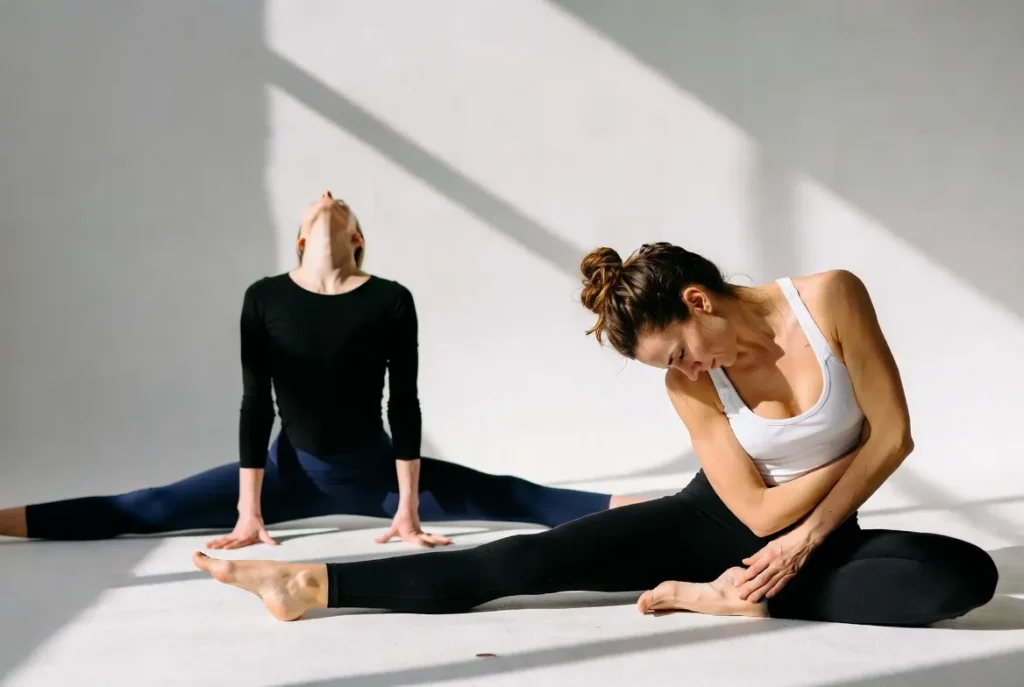
Yin yoga is a slow floor-based therapeutic yoga system whereby the poses are passively held over long periods of time, usually three to ten minutes. Yin Yoga is a style of yoga that relaxes the muscles as opposed to shortening and contracting them, as is the case with flowing yoga, which aims to facilitate deeper penetration of the stretch in anatomical layers.
Instead of muscle fibers, Yin Yoga targets:
• Fascia
• Ligaments
• Joint capsules
• Intervertebral tissues
• Spinal segments
• Meridian energy channels according to Traditional Chinese Medicine
Yin Yoga is a combination of the teachings of Paul Grilley and Sarah Powers that is based on Taoist philosophy and meridian theory, mindfulness meditation, and modern functional anatomy, and is a highly healing practice.
| Feature | Yin Yoga | Vinyasa / Power Yoga |
| Pace | Very slow | Fast |
| Hold Time | 3–10 minutes | 5–10 breaths |
| Target | Fascia & joints | Muscles |
| Nervous System | Parasympathetic | Sympathetic |
| Primary Goal | Healing & mobility | Strength & conditioning |
Benefits of Yin Yoga Poses
Physical Benefits
• Enhances joint lubrication and cartilage nourishment
• Improves hip, spine, knee, and shoulder mobility
• Increases collagen hydration within fascia
• Reduces chronic stiffness, sciatica discomfort, and lower-back pain
• Supports spinal disc decompression
• Improves posture alignment and circulation efficiency
• Promotes joint longevity and injury prevention
Mental & Emotional Benefits
• Reduces anxiety, insomnia, burnout, and emotional fatigue
• Enhances parasympathetic nervous system activation
• Releases suppressed emotional memory stored in fascia
• Improves mental clarity, presence, and body awareness
• Cultivates patience, mindfulness, and stress resilience
Energetic Benefits (TCM)
• Stimulates meridian pathways
• Restores Qi flow and organ vitality
• Balances liver, kidney, spleen, lung, and heart meridians
• Improves emotional equilibrium and life force energy
How Long Should You Hold Yin Yoga Poses?
| Level | Hold Time |
| Beginner | 1–3 minutes |
| Intermediate | 3–5 minutes |
| Advanced | 5–10 minutes |
Longer holds allow fibroblasts to rehydrate collagen fibers and stimulate vagus nerve relaxation pathways.
Top Yin Yoga Poses – Step-by-Step Guide
1. Butterfly Pose
Targets: Inner thighs, hips, groin, sacrum
Benefits: Emotional detox, hip decompression, pelvic circulation
Steps:
Sit upright with soles touching
Allow knees to drop naturally
Slowly hinge forward
Let your spine relax into gravity
Support with bolsters if needed
Breathing: Slow nasal breathing with elongated exhalations
2. Dragon Pose
Targets: Hip flexors, groin, psoas
Benefits: Releases stored trauma in the hips, reduces lower-back tightness
Step forward into a low lunge
Lower hips downward
Support hands with blocks
Relax your shoulders and jaw
Hold and breathe deeply
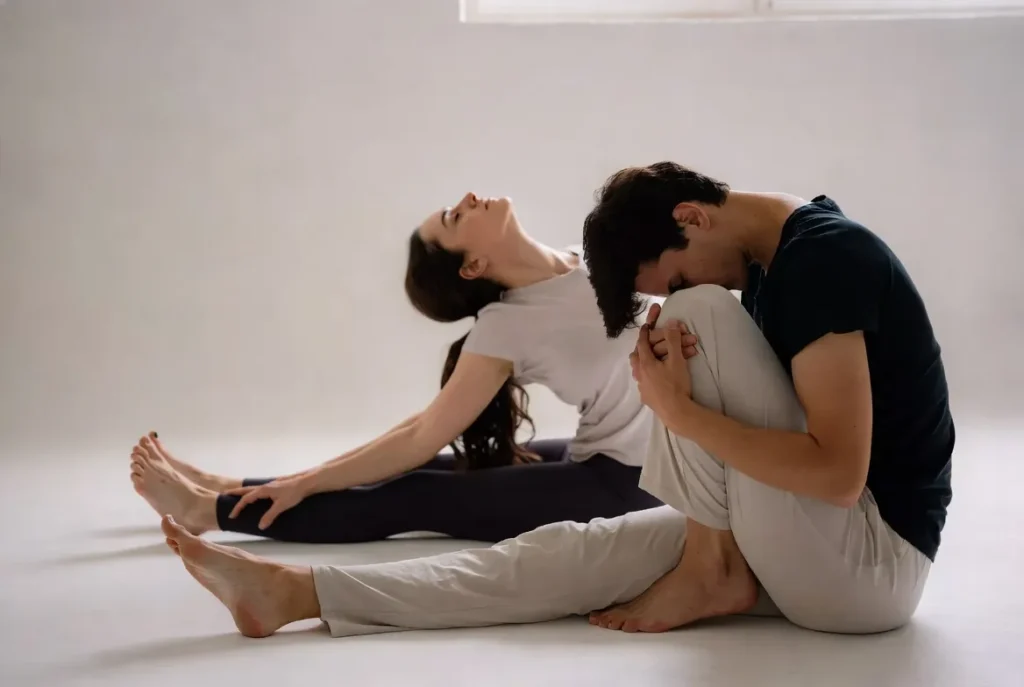
3. Caterpillar Pose
Targets: Hamstrings, spinal fascia
Benefits: Deep nervous system sedation, spinal decompression
Sit tall, legs extended
Fold forward gradually
Allow the spine to round naturally
Rest your head and arms
4. Sphinx Pose
Targets: Lumbar spine
Benefits: Disc hydration, posture restoration
Lie prone
Place elbows under shoulders
Lift the chest gently
Keep glutes relaxed
5. Reclining Twist
Targets: Spine, digestion, liver
Benefits: Detoxification, parasympathetic activation
Lie on back
Twist knees to the side
Extend arms wide
Close your eyes and Breathe
6. Shoelace Pose
Targets: Outer hips, piriformis
Benefits: Sciatic nerve relief, pelvic mobility
Stack knees
Fold forward gently
Support hips
Beginner Yin Yoga Sequence (25 Minutes)
| Pose | Time |
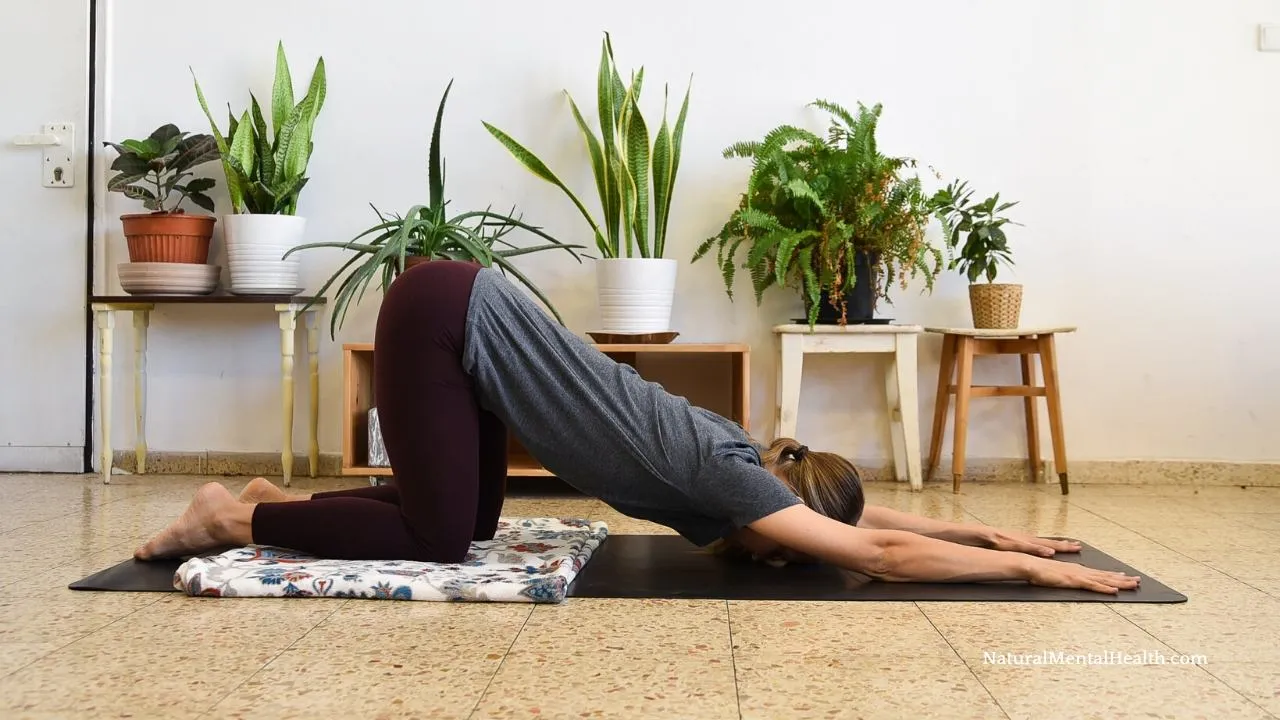
| Child’s Pose | 3 min |
| Butterfly | 4 min |
| Dragon (Both Sides) | 8 min |
| Caterpillar | 4 min |
| Sphinx | 3 min |
| Reclining Twist | 3 min |
Proper Form & Alignment
• Keep muscles passive
• Allow gravity to deepen the stretch
• Never force joint range
• Use props generously
Breathing Technique
• Slow diaphragmatic breathing
• Elongated exhalations
• Belly-based respiration
Muscles & Tissues Targeted
• Fascia
• Ligaments
• Joint capsules
• Hip flexors
• Hamstrings
• Lumbar spine
Variations
| Level | Modifications |
| Beginner | Shorter holds, bolsters |
| Intermediate | Moderate depth |
| Advanced | Longer holds |
Common Mistakes
• Forcing depth
• Ignoring props
• Holding breath
• Moving excessively
Safety Tips
• Sensation is okay, pain is not
• Exit slowly
• Rest Between poses
Contraindications
Avoid or modify if you have:
• Recent surgery
• Disc herniation
• Pregnancy
• Severe joint instability
Tips for Beginners
• Start with 10–15 minutes
• Use blankets and bolsters
• Maintain mindful awareness
Duration & Frequency
| Goal | Frequency |
| Relaxation | 2–3× weekly |
| Flexibility | 3–5× weekly |
| Healing | Daily |
Yin Yoga Science
Passive loading over a long period enhances fibroblast remodeling, collagen rehydration, vagal tone stimulation, and the parasympathetic nervous system, which directly aids mental composure and connective tissue longevity.
Diet Tips
• Eat warm, nourishing meals
• Stay hydrated
• Avoid heavy food before practice
Home Practice Tips
• Dim lighting
• Quiet environment
• Use blankets and bolsters
• Play calm music
FAQs
Yes, it is safe and gentle when practiced correctly.
Yes — especially for healing and relaxation.
Yes — it deeply stretches fascia for lasting mobility.
Conclusion
The kind of benefits That The Modern system of fitness neglects include the restoration of the connective tissue, the healing of the nervous system, the emotional balance, and the life of the joints in Yin Yoga. With stillness, conscious breaths, and long sustains, Yin yoga will not only transform your physical body but also change the way you are cognizant.
Begin healing yourself now – read more inspiring guides on TheyogaFitness.com and make stillness your superpower.
