Introduction: Why You Care about Yoga Socks as Much as You Should.
Yoga has long been associated with barefoot yoga, which is considered a form of grounding, promoting awareness, and fostering a direct Connection Between the body and the earth. Barefoot yoga enables yogis to detect the micro changes in the balance, weight, and posture, and to facilitate the refinement of these positions and body awareness.
In the past, yoga used to be practiced on the ground or natural surfaces such as grass, soil, or rock, where falling was never a factor. Mats, props, and accessories were minimal or nonexistent.
Nowadays, yoga is quite different.
Today, millions of yoga practitioners are spreading their mats in indoor yoga rooms, fitness centers, heated yoga rooms, rehab homes, gymnasiums in hotels, and homes with smooth floors. These contemporary environments pose new challenges that the traditional yogi never encountered: slippery floors, communal yoga gear, controlled room temperature, and hygiene issues.
Yoga socks do have their role to play in this.
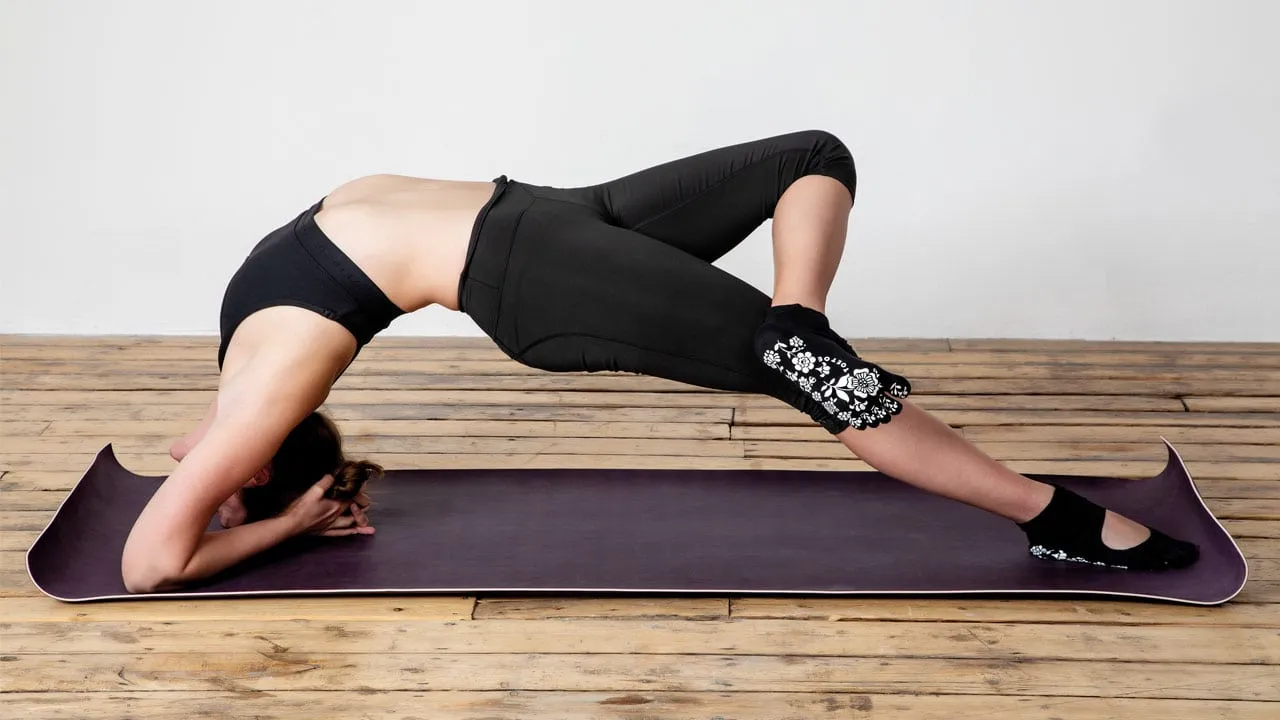
Yoga socks can be regarded as a functional performance item that, at first, was viewed as unnecessary or even controversial within the European market and the world yoga communities. They have become commonplace as a means of improving traction, confidence, cleanliness, and generally comfort among the beginners and the studio practitioners.
You will be able to move with more stability and comfort regardless of whether your practice involves Vinyasa flow, Hatha yoga, Ashtanga, Yin, hot yoga, Pilates, or barre; either way, an appropriate pair of non-slip yoga socks can help you feel more secure and stable.
What Are Yoga Socks?
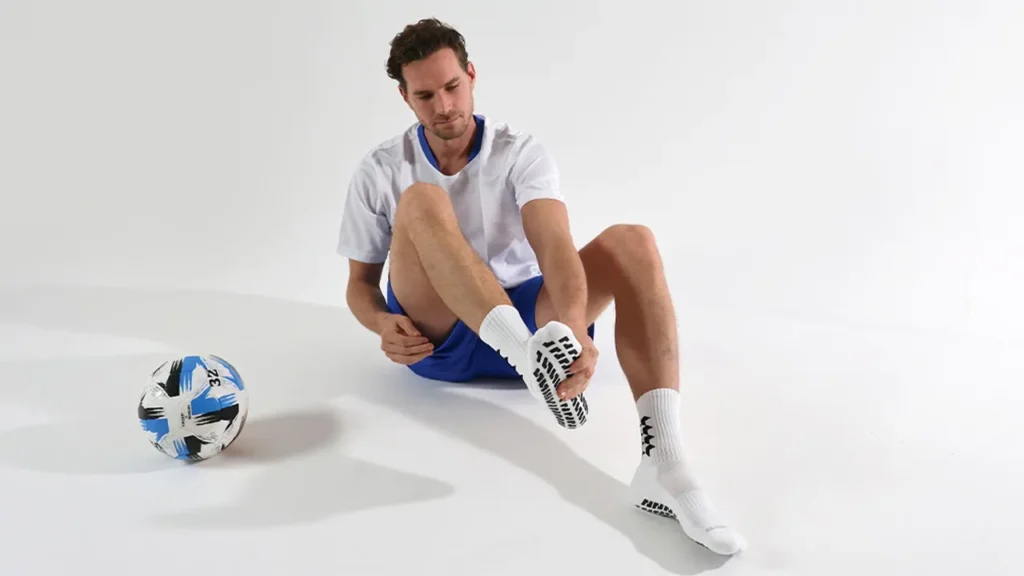
Yoga socks are special-purpose socks that are used in yoga, Pilates, barre, and functional fitness exercises. They also have non-slip grip patterns on the soles as unlike ordinary socks, to decrease the rate of sliding and have a better grip when moving.
- They are designed with one purpose in mind: to provide stability without limiting natural foot mechanics.
- Designed to provide:
- Treaded mats and even floors.
- Improved standing and transitional poses balance.
- Breathable comfort during warm or heated classes
The liberty of movement resembles barefoot training.
Essentially, yoga socks provide the sensory liberation of bare feet with the protection of a lightweight shoe, which is a transition between tradition and modern yoga.
Key Features of Yoga Socks
The high quality usually comprises several performance-related factors:
Silicone, PVC, rubber, or thermoplastic materials are used as anti-slip grip soles.
Wearable clothes that fit the movement of the feet.
Foot balance and alignment designs of open-toe, half-toe, or toe-separated.
The lightweight construction eliminates bulkiness and rigidity.
Safe, fitted fit so as to avoid bunching, twisting, or slipping.
These features enable the practitioners to be in the right state of mind as opposed to being distracted by shaky ground.
Benefits of Wearing Yoga Socks
1. Improved Grip & Stability
Coming out of poses such as Downward Dog, Warrior III, Chair Pose or Tree Pose is distracting and may lead to a higher risk of injury.
Non-grip yoga socks provide extra grip on:
- Polished studio floors
- Worn or aging yoga mats
- Tile, laminate, or wooden surfaces
This extra grip supports longer holds, smoother transitions, and improved confidence throughout practice.
2. Hygiene & Cleanliness
Yoga studios are communal environments. Even well-maintained spaces harbor bacteria and fungi on floors and shared mats.
Act as a protective barrier, reducing exposure to:
- Microorganisms
- Fungal infections
- Athlete’s foot
- Odor-causing bacteria
They are especially beneficial for frequent studio-goers, travelers, and practitioners attending multiple classes weekly.
3. Confidence for Beginners
Balance challenges are common for beginners. Fear of slipping can cause tension, hesitation, and distraction.
Help beginners by:
- Increasing stability during standing postures
- Reducing anxiety about falling
- Allowing focus on breathing and alignment
Confidence encourages consistency — and consistency leads to meaningful progress.
4. Comfort & Warmth
Cold feet can disrupt relaxation, particularly during slower practices.
Help:
- Maintain warmth in cooler studios
- Support circulation
- Enhance comfort during stillness
They are ideal for yin yoga, restorative classes, meditation, and savasana.
5. Support for Sensitive Feet
Individuals with plantar fasciitis, arch discomfort, or foot sensitivity may struggle with barefoot practice.
Certain include:
- Integrated arch bands
- Light compression zones
- Minimal cushioning
These features offer subtle support without limiting flexibility or grounding.
Potential Downsides of Yoga Socks
Yoga socks are not universally ideal.
Possible Drawbacks
- Reduced tactile feedback compared to bare feet
- Poor-quality socks may slip when damp
- Some instructors prefer traditional barefoot practice
- Low-cost grips can degrade quickly
Selecting the right design, fit, and material quality makes all the difference.
Types of Yoga Socks Explained (With Use Cases)
Different styles suit different practices.
1. Full-Toe
Best for: Beginners, Pilates, cold studios, hygiene-focused practice
Features:
- Complete foot coverage
- Maximum warmth and protection
- Popular in Pilates and barre
- Slightly limited toe articulation
Ideal for practitioners prioritizing coverage and cleanliness.
2. Toeless
Best for: Hot yoga, balance-focused sessions, advanced practice
Features:
- Open toes for natural splay
- Improved ventilation and sweat control
- Stronger mat connection
- Highly popular worldwide
Toeless yoga socks are among the most searched yoga accessories globally.
3. Half-Toe
Best for: Hybrid practice
Features:
- Partially exposed toes
- Balanced grip and freedom
- Smooth transition from barefoot to socks
They offer a versatile Compromise.
4. Toe-Separation Socks
Best for: Alignment, foot strength, toe mobility
Features:
- Individual toe compartments
- Encourages natural toe spread
- Improves posture and balance
- Requires a short adaptation period
Excellent for long-term foot health.
5. Strappy / Ballet-Style Socks
Best for: Barre, dance-inspired workouts
Features:
- Elastic cross-straps for stability
- Stylish appearance
- Moderate grip
A favorite in boutique studios.
6. Crew vs Ankle vs Low-Cut
- Crew: Extra warmth, visual appeal
- Ankle: Balanced everyday choice
- Low-cut: Minimalist feel
How Yoga Sock Grips Work (Materials Matter)
Grip quality determines safety and longevity.
Common Grip Materials
| Grip Material | Pros | Cons |
| Silicone | Flexible, durable, strong traction | Slightly higher price |
| PVC dots | Lightweight, affordable | Faster wear |
| Rubber | Excellent grip | Can feel rigid |
| Thermoplastic | Balanced performance | Quality varies |
What to Look For in Grip Design
- Full-sole coverage
- Strategic heel and forefoot placement
- Heat-resistant bonding
- Non-toxic, skin-safe compounds
High-quality grip remains effective even during intense sessions.
Fabric & Breathability Explained
Fabric selection influences comfort and moisture control.
Common Fabric Types
| Fabric Type | Best For | Notes |
| Cotton blends | Soft comfort | Retains moisture |
| Polyester/Spandex | Sweat management | Most popular |
| Merino wool | Temperature regulation | Premium feel |
| Bamboo fiber | Eco-conscious users | Naturally antibacterial |
For hot yoga, moisture-wicking synthetics are optimal.
Fit, Sizing & Common Problems to Avoid
Sizing Tips
- Follow brand-specific charts
- Toe socks often run small
- A snug fit prevents movement
Common Problems & Solutions
- Heel slippage: Choose arch bands
- Seam irritation: Avoid bulky stitching
- Grip wear: Skip dryers and Softeners
Best Yoga Socks by Category (Comparison Table)
| Best For | Style | Why It Works | Price Range |
| Overall performance | Full-toe grip | Balanced comfort | €18–€30 |
| Hot yoga | Toeless | Breathable | €15–€28 |
| Budget | Multipacks | Affordable | €6–€12 |
| Barre & Pilates | Strappy | Secure fit | €20–€35 |
| Toe alignment | Toe socks | Natural spread | €15–€30 |
| Plantar fasciitis | Arch-support | Gentle compression | €20–€35 |
Pros & Cons of Yoga Socks
Pros
- Better grip and balance
- Hygienic protection
- Beginner-friendly
- Warmth and comfort
- Foot support
Cons
- Less sensory input
- May slip if poorly designed
- Not ideal for all styles
- Require maintenance
How to Wash & Care for Yoga Socks
- Turn inside out
- Wash cold, gentle cycle
- Avoid softeners
- Air dry only
- Gently clean grips
Proper care can extend lifespan significantly.
Studio Etiquette: Are Yoga Socks Allowed?
- Most studios allow them
- Some instructors prefer barefoot
- Hot yoga studios may discourage
- Always respect Guidance
- Keep socks clean
Who Should Wear Yoga Socks? (And Who Shouldn’t)
Ideal For
- Beginners
- Hot yoga practitioners (toeless)
- Pilates & barre students
- Travelers
- Those with foot discomfort
May Avoid
- Advanced barefoot purists
- Those seeking maximum sensory feedback
- Excessive sweaters without breathable options
Buying Checklist: How to Choose the Right Yoga Socks
Practice type
Sweat level
Toe freedom
Grip density
Breathability
Budget
Studio policies
FAQs
Yes. They enhance grip and hygiene, especially for studio-based and beginner practitioners.
It depends. Barefoot offers sensory feedback; socks provide safety and cleanliness.
Yes — choose breathable, toeless yoga socks.
Yes. Arch-support designs provide relief.
With proper care, 6–12 months.
Yoga Philosophy & Modern Practice
Traditional yoga emphasized barefoot grounding. Modern yoga adapts to urban life, travel, and hygiene needs.
Yoga socks don’t replace tradition — they support accessibility, safety, and comfort.
Conclusion
Yoga socks are no longer optional accessories. They are functional tools that promote stability, hygiene, and confidence.
If you practice in studios, travel frequently, manage foot sensitivity, or prefer additional grip, yoga socks are absolutely worth investing in.
The key is choosing high-quality, breathable, well-fitted yoga socks aligned with your personal practice.
Explore more yoga gear guides on TheYogaFitness.com and elevate your practice — on and off the mat.
