
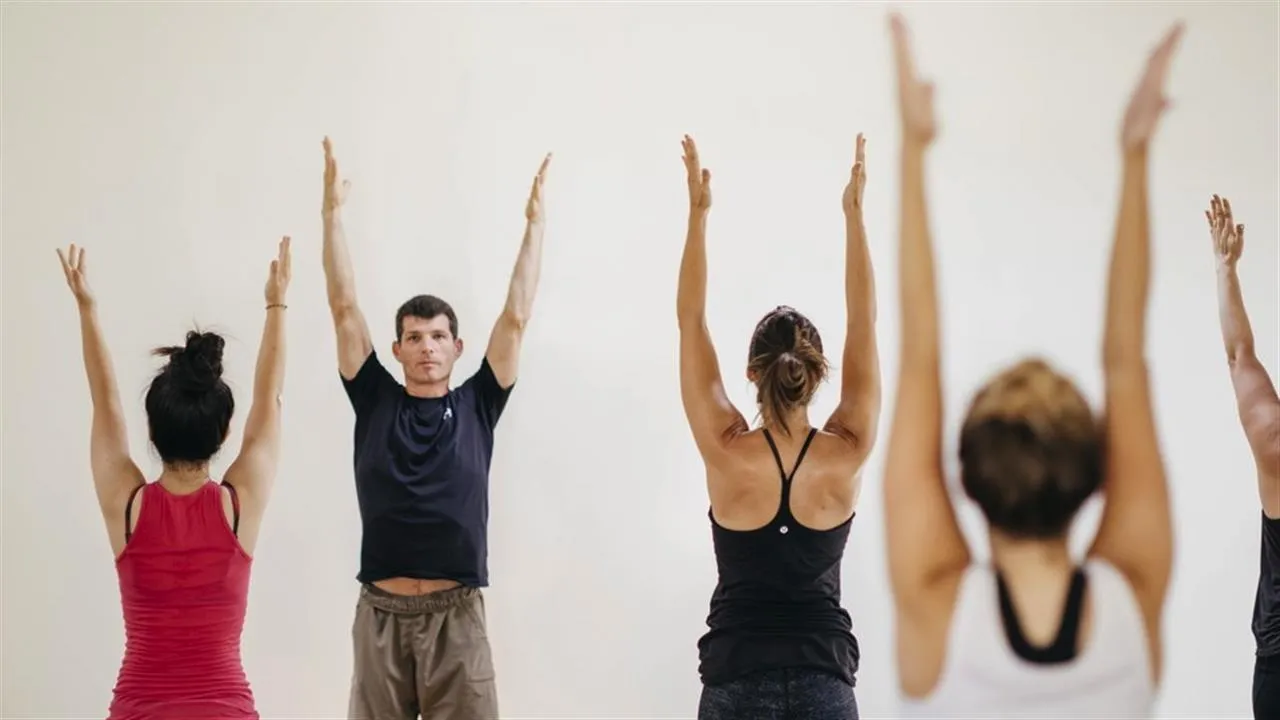
Introduction of Yoga Teacher Training
A Yoga Teacher Training is not only a professional certification — it is a powerful inner transformation. Many students describe it as a journey where your body becomes stronger, your mind becomes calmer, and your purpose becomes clearer. The spiritual homeland of yoga — welcomes thousands of new yoga seekers every year to legends like:
• Rishikesh — the yoga capital of the world, the sacred Ganga river, and Himalayan ambiance
• Goa — warm beaches, creative and free movement communities
• Mysore — strict Ashtanga discipline and tradition
• Dharamshala — quiet mountains and meditation focus
• Kerala — lush greenery and Ayurveda healing
Whether you want to become a certified instructor or you simply wish to deepen your connection with authentic yoga, this guide will help you make decisions confidently.
Inside, you will learn:
What a 200-hour YTT actually teaches
Updated Yoga Alliance rules for 2025
The exact daily routine inside a YTT in
Differences between Rishikesh vs Goa, vs Mysore
Real tuition + accommodation costs
How to avoid unsafe, fake, or “holiday” schools
Safety, consent, and mental health policies
A decision checklist to choose the perfect school
Answers to real beginner concerns and fears
By the end, you will know how to choose a school you can trust — one that supports your growth, honors tradition, and keeps your well-being first.
Goal of this guide: Empower you to select a safe, high-quality, and ethically-run Yoga Teacher Training that aligns with your intentions, body, and budget.
What is a Yoga Teacher Training?
A Yoga Teacher Training is a structured, immersive program designed to help you:
• Learn asana (poses) with precise alignment
• Understand the science of pranayama (breath energy)
• Practice meditation and cultivate concentration
• Study yoga philosophy, history, and ethics
• Explore anatomy & biomechanics for safe movement
• Develop teaching skills and clear verbal cueing
• Build confidence through real teaching practice
• Learn sequencing for different student needs
• Practice hands-on adjustments with consent
• Experience ashram discipline or retreat-style life
Even if you never plan to teach, YTT gives:
Deep body awareness
A peaceful mindset and a regulated nervous system
Emotional strength and self-love
A supportive international community
A practical routine for lifelong wellness
Many students say things like:
“I came to learn yoga. I left understanding myself.”
Yoga Teacher Training rewires everyday habits — from how you move… to how you breathe… to how you handle challenges.

Why Do a YTT?
| Benefit Type | Transformation Experienced |
| Physical | Flexibility, strength, balance, posture correction, and injury prevention |
| Mental | Stress relief, clarity, reduced anxiety, calmer reactions |
| Emotional | Self-acceptance, resilience, compassion, confidence |
| Professional | Studio jobs, online teaching, corporate wellness, retreat hosting |
| Lifestyle | Healthier food habits, mindful community, purposeful living |
| Social | New friendships with like-hearted people around the globe |
Bonus: The discipline you build becomes a lifetime tool for success in ANY path.
Types of Yoga Teacher Training Programs
| Program Type | Hours | Best For | Duration |
| 200-Hour YTT | 200 | Beginners who want to teach or deepen their practice | 3–6 months part-time OR 3–5 weeks residential in |
| 300-Hour YTT | 300 | Certified teachers upgrading skills | 1–3 months residential |
| 500-Hour YTT | 500 | Serious professional path (200+300 together) | 8–12 weeks residential |
| Specialty Courses | 20–100 | Prenatal, Yin, Kids, Aerial, Trauma-sensitive | Short intensives |
Online vs In-Person
| Format | Advantages | Limitations | Ideal For |
| Online / Hybrid YTT | Lower cost, schedule flexibility | Limited touch correction + weaker community | People with jobs or travel restrictions |
| In-Person YTT | Immersive, cultural roots, strong feedback | Travel cost + time commitment | Beginners seeking confidence + tradition |
What a High-Quality 200-Hour YTT Covers
| Category | Hours | What You Master |
| Techniques & Practice | 75–100 hrs | Asana, alignment labs, pranayama, meditation |
| Anatomy & Physiology | 20–30 hrs | Joints, muscles, breath mechanics, injury safety |
| Teaching Methodology | 25–50 hrs | Cueing, sequencing, class structure, voice |
| Philosophy & Ethics | 25–30 hrs | Yoga Sutras, Bhagavad Gita, yogic lifestyle |
| Practicum + Assessments | 10–30 hrs | Teaching real groups with mentor evaluation |
Example Daily Schedule
| Time | Activity |
| 06:00 – 07:30 | Morning asana + alignment focus |
| 07:45 – 08:45 | Breakfast + journaling / silent reflection |
| 09:00 – 11:00 | Anatomy or sequencing workshop |
| 11:15 – 12:30 | Practicum — peer teaching circle |
| 13:00 – 14:00 | Nourishing lunch |
| 14:30 – 16:00 | Philosophy + pranayama |
| 16:15 – 18:00 | Hands-on adjustments & biomechanics labs |
| 19:00 – 20:00 | Meditation, chanting, satsang |
| 21:30 | Lights out — rest and integrate |
It is intense, but growth rarely happens inside comfort zones.
Best Yoga Teacher Training Locations (2025)
| Location | Atmosphere & Style | Best For |
| Rishikesh | Sacred temples, strong tradition, Himalayas | Beginners + Hatha/Vinyasa + spiritual seekers |
| Goa | Beaches, creative flows, relaxed vibes | Vinyasa lovers + nature enjoyers |
| Mysore | Serious discipline, lineage teachers | Ashtanga practitioners |
| Dharamshala | Mountain calm, Tibetan influence | Yoga + meditation immersion |
| Kerala | Ayurveda + lush environment | Yoga + wellness healing focus |
For first-time solo travelers → Rishikesh is #1 for safety + budget + authenticity.
True Cost of YTT — Honest 2025 Breakdown
| Location | Tuition | Stay + Meals | Total Average |
| Rishikesh | $900–$1,800 | Usually included | $1,000–$2,200 |
| Goa | $1,200–$2,500 | Sometimes included | $1,500–$3,200 |
| Mysore | $1,500–$3,000 | Often separate | $1,800–$3,800 |
Additional expenses:
• Flights + visa: $500–$1,200
• Books + materials: $50–$200
• Weekend trips, massages, cafés: personal choice
Tip: Meals included = huge savings + healthier digestion for practice.
Safety, Ethics & Mental Health
A responsible YTT school includes:
Consent cards for physical Adjustments
Trauma-aware teaching — no forceful pushing
Gender-safety and code of conduct policies
Support for emotional overwhelm
Transparent complaint/grievance process
Background-verified teachers and staff
Red Flags — Avoid Immediately:
“Guaranteed job placement”
No written syllabus or vague promises
Pressure to worship a guru or authority
Secret extra charges after arrival
Huge class sizes with no feedback
Your comfort and dignity are sacred.

How to Choose the Right YTT
Ask yourself:
Why am I joining?
Teaching career? Healing? Spiritual curiosity?
What style feels right for my body and personality?
| Your Goal | Best Style |
| Strength, challenge, discipline | Ashtanga |
| Creative movement, flow | Vinyasa |
| Beginners & therapeutic focus | Hatha / Yin / Restorative |
| Deep spiritual growth | Rishikesh ashram immersion |
Do I learn best through physical practice? Visuals? Group feedback?
After completion, what support is offered?
Mentorship, alumni community, teaching opportunities?
Best beginner option:
200-hour Hatha-Vinyasa YTT in Rishikesh
What Happens After You Graduate?
| Step | Why It Matters |
| Keep practicing teaching | Builds confidence and flow |
| Register as RYT 200 | Many studios prefer it |
| Get teaching insurance | Protects you legally |
| Create a class library | Ready to teach anywhere |
| Offer community classes | Real-world improvement |
| Continue CPDs | Teaching evolves with you |
A great yoga instructor remains a lifelong learner.
Beginner Mistakes
| Mistake | Better Strategy |
| Choosing only the cheapest option | Check school ethics + hours + teachers |
| Expecting an instant job | Begin with volunteer teaching |
| Overtraining/pushing too hard | Respect your body’s signals |
| Feeling hurt by feedback | Feedback = growth fuel |
| Not practicing before arrival | Train 3–5x weekly to prep joints |
Progress > Perfection
Philosophy + Science in YTT
| Yogic Concept | Scientific Interpretation |
| Prana | Breath + autonomic nervous system |
| Chakras | Psychosomatic energy networks |
| Meditation | Neuroplasticity, stress reduction |
| Eight Limbs (Ashtanga) | Holistic behavior system for well-being |
Yoga is not superstition — it’s ancient wisdom meeting modern research.
Duration & Practice Recommendations
Before training:
Practice 3–5 times weekly for 8–12 weeks
During training:
Expect 6–10 hours per day of Structured learning
After training:
Teach 1–3 classes per week
Self-practice daily (10–30 mins is enough)
Small, consistent actions = authentic mastery.
Who Should Delay or Modify a YTT?
• Serious spinal injuries (without medical clearance)
• Severe unmanaged trauma
• Heart/lung conditions affecting vigorous exercise
• Pregnancy without prenatal-trained faculty
Always communicate openly with the lead trainer.
Your well-being comes first.

FAQs
A: Not legally required everywhere — but widely preferred by studios.
A: Rishikesh — safe, spiritual, supportive environment.
A: Yes, but in-person training gives stronger teaching skills.
A: You can start community classes immediately after graduation.
A: Absolutely. Flexibility improves through regular practice.
Conclusion
A Yoga Teacher Training offers:
Authentic, traditional yoga lineage
Strong personal confidence + discipline
New lifelong Friendships
Healthier physical and mental habits
Opportunity to share yoga with the world
Take time to research. Ask questions. Choose a school that respects your safety, your curiosity, and your growth.
And when you finally step into that first morning practice…
You’ll realize you are exactly where you are meant to be.
Your teaching journey begins when you decide to believe in yourself.
Namaste.
