
Introduction
The choice of the yoga mat is not a matter of light consideration, as it can entirely change the way your yoga session will feel, work, andChange With Time. The surface on which your body rests affects balance, conformity, security, hygiene, comfort, and even concentration of mind. A supportive mat is supportive of confidence and movement, whereas a low-quality one is also distracting, slipping, odorous, or unduly stressful to your joints.
This is where the cork yoga mat has become one of the most talked, reviewed, and recommended yoga accessories in the world.
Yogis were using PVC, foam, or synthetic rubber mats for many years. They were cheap, easily accessible, and highly promoted. Nevertheless, as the practice was used over time, professionals started noticing some recurrent issues:
Mats are becoming wet and dangerous in sweaty classes.
Pungent chemical or plastic smells are growing rapidly.
Substances that cause skin irritation or allergies.
Fast wear, peeling, and degradation.
Damage to the environment through the use of non-biodegradable materials.
With the development of the yoga culture, the expectations changed. Contemporary practitioners are now after functionality, hygiene, longevity, and environmental responsibility, not affordability only.
This new realization is where cork yoga mats excel.
Already in North American heated studios to environmentally conscious retreats in Europe and conscious homes practices in Asia and elsewhere, cork mats are now being hailed as having the only capability to bring together performance, purity and sustainability.
What Is a Cork Yoga Mat?
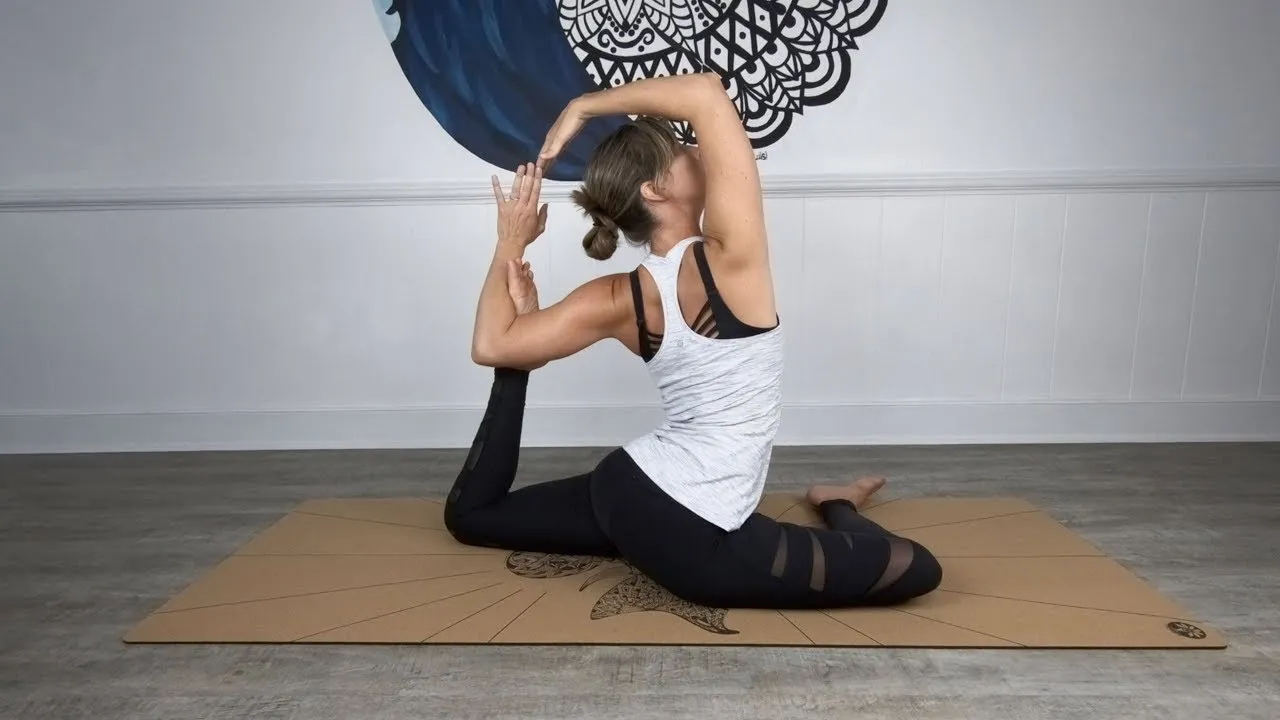
A cork yoga mat is an advanced yoga mat that is made out of cork on the top of the mat, which has a supportive and non-slip base on the bottom. This is a layered construction, thus giving it a balance to the surface which encourages stability, hygien,e and durability.
In contrast to entirely synthetic mats, cork yoga mats are based on plant-based materials that allow for improving the physical performance and the level of environmental responsibility.
Key Materials Explained
1. Cork Surface (Top Layer)
The top layer is crafted from natural cork, harvested from the bark of cork oak trees (Quercus suber).
Key characteristics include:
- Harvested without cutting down the tree
- Bark naturally regenerates every 9–12 years
- Soft yet textured surface for tactile feedback
- Breathable, moisture-responsive structure
- Naturally resistant to bacteria and fungi
This cork surface provides a firm, grounded feel, helping practitioners maintain alignment and control.
2. Base Layer (Bottom Support)
Beneath the cork layer lies the foundational support. Common base materials include:
- Natural Rubber – delivers superior grip, cushioning, and floor stability
- TPE (Thermoplastic Elastomer) – lighter, more flexible, and travel-friendly
Together, these layers form a stable mat that is neither rigid and supportive without excessive softness.
Why Cork Is So Sustainable
- Cork is one of the most responsible materials that has been applied in fitness equipment today.
- Its benefits in terms of sustainability are:
- Cork oak trees can live 200+ years
- The harvesting stimulates more carbon dioxide uptake by the trees.
- Cork forests provide rare animals and biodiversity.
- Recyclable, biodegradable, and fully renewable.
- Low processing relative to petroleum-based products.
For yogis practicing ahimsa (non-harm) and mindful consumption, cork aligns seamlessly with yogic values.
Why Cork Is Becoming the Most Recommended Yoga Mat Material
The rising popularity of cork yoga mats is not driven by marketing hype—it is driven by practical solutions to long-standing problems.
Problems With Conventional Yoga Mats
Many traditional yoga mats share recurring issues:
- PVC mats may off-gas harmful chemicals
- Foam mats lose traction when moisture appears
- Fabric-covered mats trap sweat and bacteria
- Rubber mats may trigger latex sensitivities
- Most degrade quickly and contribute to landfill waste
These shortcomings affect not only performance but also hygiene and sustainability.
How Cork Solves These Problems
Cork yoga mats address these concerns directly by offering:
- Naturally antimicrobial protection
- Enhanced grip activated by sweat
- Non-toxic, skin-safe composition
- Resistance to lingering odors
- Ethical harvesting with minimal environmental impact
This rare combination of functionality, cleanliness, and eco-integrity explains why cork is now considered one of the best yoga mat materials in 2026.
Key Benefits of Cork Yoga Mats
Superior Grip & Traction (Perfect for Hot Yoga)
Grip is the most frequently cited reason yogis switch to cork yoga mats.
Unlike synthetic surfaces that become dangerously slick when wet, cork behaves differently—it becomes more adhesive as moisture increases.
This makes cork yoga mats ideal for:
- Hot yoga
- Power yoga
- Vinyasa flows
- Ashtanga sequences
- Heated Pilates and functional training
Expert Tip: Lightly mist the surface with water before starting practice to immediately activate traction.
Naturally Antimicrobial & Hygienic
Cork contains suberin, a waxy compound that naturally repels bacteria, mold, and odor-causing microbes.
This results in:
- Reduced bacterial buildup
- Less frequent deep cleaning
- No lingering sweat smell
- A consistently fresh surface
Many practitioners report that cork mats feel noticeably cleaner even after months of regular use.
Eco-Friendly & Sustainable Choice
For environmentally conscious yogis, cork offers unmatched peace of mind.
Sustainability highlights include:
- Renewable harvesting cycles
- Carbon-negative cork forests
- Minimal chemical processing
- Support for traditional cork-harvesting communities
- Biodegradable at the end of life
Choosing cork is not just a purchase—it’s a statement of intentional living.
Comfort, Support & Joint Protection
Cork yoga mats provide a balanced firmness that supports alignment while protecting joints.
Benefits include:
- Stable footing during standing poses
- Gentle padding for wrists, knees, and elbows
- Reduced compression compared to overly soft foam
- Enhanced body awareness during transitions
This makes cork ideal for strength-based and balance-focused practices.
Exceptional Durability & Long-Term Value
High-quality cork yoga mats are built to last.
They resist:
- Peeling or cracking
- Compression damage
- Loss of grip over time
- Chemical breakdown from sweat
Although the initial investment may be higher, cork mats often outlast multiple synthetic mats, making them cost-effective long term.
Cork Yoga Mats vs Traditional Yoga Mats (Full Comparison)
Comparison Table
| Feature | Cork | Rubber | Jute | PVC/TPE |
| Grip (Wet) | Excellent | Good | Fair | Poor |
| Antimicrobial | Yes | No | No | No |
| Eco-Friendly | Excellent | Moderate | Good | Poor |
| Odor Resistance | High | Medium | Low | Low |
| Durability | High | Medium | Medium | Low |
| Non-Toxic | Yes | Usually | Yes | Often No |
Cork Yoga Mat vs Rubber
excels in hygiene, odor control, and sustainability.
- Best for sweaty practices and hot environments
- Rubber offers slightly more softness for restorative styles
Yoga Mat vs Jute
Jute mats feel earthy but often:
- Irritate sensitive skin
- Lose traction quickly
- Absorb moisture and odor
Cork offers better grip, easier maintenance, and longer usability.
Cork Yoga Mat vs PVC / TPE
PVC and TPE mats are affordable, but:
- Lack Sustainability
- Break down rapidly
- Become slippery with sweat
Cork provides non-toxic performance without compromise.
Common Drawbacks of Cork Yoga Mats (With Smart Solutions)
Less Grip When Completely Dry
Solution: Lightly spray water before practice
Heavier Than Ultra-Thin Travel Mats
Solution: Choose cork with a TPE base
Higher Initial Cost
Solution: Long lifespan offsets price
How to Care for Your Cork Yoga Mat (Expert Guide)
Daily Maintenance
- Wipe with a damp cloth
- Allow to air dry fully
Weekly Deep Cleaning
- Mild soap + water
- Avoid alcohol or vinegar
- Never soak or machine wash
Storage Tips
- Roll the cork side facing outward
- Keep away from direct sunlight
- Store in a dry, ventilated space
Proper care preserves grip and extends lifespan for many years.
Who Should Choose a Cork Yoga Mat?
Best For:
Hot yoga practitioners
Sweat-heavy sessions
Eco-conscious lifestyles
Sensitive skin users
Home and studio practice
Not Ideal For:
Ultralight travel yogis
Those preferring plush cushioning
Yoga Science: Why Cork Enhances Stability & Mindfulness
Cork offers heightened proprioceptive feedback, meaning your nervous system receives clearer information from the ground.
This leads to:
- Improved balance control
- Better posture awareness
- Reduced joint stress
- Enhanced mind-body connection
Cork mats support alignment-driven, mindful movement practices.
Beginner Tips for Using a Cork Yoga Mat
- Allow a short break-in period
- Practice barefoot for maximum grip
- Avoid lotions before practice
- Clean gently and consistently
Duration & Frequency Recommendations
| Practice Type | Ideal Cork Use |
| Hot Yoga | Every session |
| Vinyasa | Daily |
| Hatha | 3–5x/week |
| Yin / Restorative | Optional |
FAQs
Only when fully dry—moisture improves grip.
Yes, especially for balance and hygiene.
No. Cork naturally resists odor.
Yes, though rubber bases vary.
Conclusion
A cork yoga mat is worth it if you Appreciate Performance, cleanliness, sustainability, and longevity.
Cork Yoga Mats Deliver:
Sweat-activated grip
Intrinsic antimicrobial defence.
Social, sustainable sourcing.
Long-term durability
Though not the lightest travel mat, cork mats shine in the areas that matter most, namely, the stability, hygiene, and conscious practice.
Are You Ready to Take Your Practice to the Next Level?
Read about other pro yoga products, green workouts, and conscious living at theyogafitness.com.
