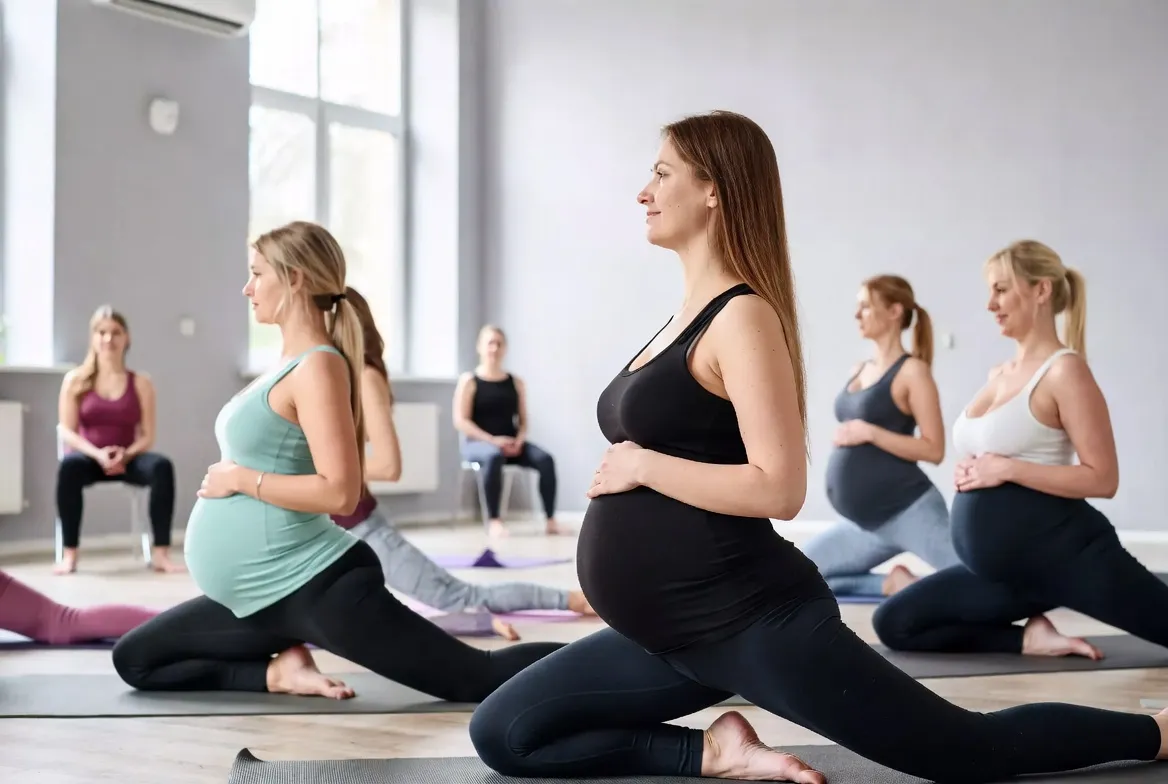
Introduction
Childbearing is one of the most dramatic, llife-alteringand emotionally laden experiences that a woman can undergo. Your body starts to change in amazing ways; your hormones change quickly; and your mind is getting ready for motherhood, responsibility, and birth. In addition to the Happiness and Expectations, most expectant mothers also undergo physical pains, emotional insecurity, sleeping disturbances, psychological overload, and confusion about the things that can be moved safely.
Pain in the back, tight hips, pelvic pressure, swelling, fatigue, anxiety, and mood changes are normal during pregnancy, most especially due to the body getting used to an expanding baby. Due to these difficulties, the number of women who are seeking prenatal yoga classes near me online that feel safe, supportive, and pregnancy-specific is on the increase.
Prenatal yoga is not some slow stretching or a watered-down version of regular yoga. It is a prenatal movement system, specifically pregnancy-centered, that combines gentle physical postures, conscious breathing, nervous system regulation, and grounding in emotion, keeping the baby and the mother safe.
You are either a beginner and are seeking the beginner-friendly pregnancy yoga classes, or you are in your third trimester, and you are gearing up to have a baby, and you are trying to know what prenatal yoga is and how to find the best prenatal yoga classes in your area.
What You’ll Learn in This Guide
What prenatal yoga is and its pregnancy benefits.
The differences between prenatal yoga and traditional yoga.
Physical, emotional, and psychological gains per trimester.
Where can I get the best prenatal yoga classes around?
Safety policies and guidelines that are supported by science.
The experience of a prenatal yoga session.
Prenatal yoga differences between the studio and online.
General questions that are answered using simple language.
You shall start now on your way to have a more relaxed, healthier, and supported pregnancy.
What Is Prenatal Yoga?
Prenatal yoga is a modified form of yoga that is designed with the consideration of pregnant women. It adapts the classical yoga postures, breathing techniques, rest practices, and mindfulness tools to the anatomical, hormonal,l and emotional changes that a woman goes through during pregnancy.
Unlike the common yoga sessions, the prenatal yoga is designed based on the concepts of pregnancy safety, comfort and flexibility. All the movements serve to protect the abdomen, pelvis, spine, joints, and cardiovascular system and enhance the gentle strength, circulation, and body awareness.
Certified Prenatal yoga teachers have been trained to understand:
Pregnancy anatomy
Trimester-specific needs
Medical contraindications
Safe pose modifications
Prenatal emotional support.
This expert course guarantees that prenatal yoga sessions around me provide a space where pregnant women feel safe, loved, and comprehended.
How Prenatal Yoga Is Different from Regular Yoga
| Aspect | Regular Yoga | Prenatal Yoga |
| Pace | Can be fast or physically demanding | Slow, nurturing, and adaptable |
| Poses | Designed for the general population | Modified, pregnancy-safe movements |
| Breathing | Advanced pranayama techniques | Gentle, calming breath awareness |
| Focus | Fitness, flexibility, aesthetics | Comfort, stability, emotional balance |
| Safety | Designed for general population | Designed exclusively for pregnancy |
Prenatal yoga classes near me are carefully structured to minimize joint strain, avoid abdominal compression, reduce fall risk, and support emotional well-being throughout pregnancy.
Why Prenatal Yoga Matters During Pregnancy
During pregnancy, the body releases higher levels of the hormone relaxin, which softens ligaments and connective tissues to prepare for childbirth. While this increased flexibility is necessary for delivery, it also makes joints more vulnerable to overstretching and injury.
Prenatal yoga addresses this by emphasizing:
- Controlled movement
- Joint stability
- Postural awareness
- Gentle strength building
- Nervous system regulation
Instead of pushing flexibility, prenatal yoga focuses on functional mobility and stability, helping pregnant women move comfortably and confidently through each trimester.
This is why practicing under the guidance of a certified prenatal yoga instructor is strongly recommended.
Benefits of Prenatal Yoga (Physical, Mental & Emotional)
1. Physical Benefits of Prenatal Yoga
Consistent prenatal yoga practice can help:
- Reduce lower back and sacroiliac pain
- Ease hip tightness and pelvic discomfort
- Improve posture as the belly grows
- Enhance balance and body coordination
- Reduce swelling in ankles and feet
- Strengthen muscles that support childbirth
- Maintain healthy circulation
Many women searching for pregnancy yoga classes near me are seeking relief from physical discomfort — and prenatal yoga delivers gentle, effective support.
2. Mental & Emotional Benefits
Pregnancy can heighten emotions due to hormonal changes and life transitions. Prenatal yoga supports emotional health by:
- Lowering stress hormones like cortisol
- Reducing anxiety and fear around childbirth
- Improving sleep quality and relaxation
- Encouraging mindfulness and present-moment awareness
- Creating emotional resilience and confidence
Prenatal yoga classes often become a sanctuary where women feel emotionally held, supported, and connected.
3. Labor & Birth Preparation
Many prenatal yoga classes near me intentionally prepare women for labor and delivery by teaching:
- Breathing techniques for contractions
- Pelvic opening movements
- Relaxation between surges
- Pain-management strategies
- Body awareness and positioning
These tools are widely used in modern childbirth education and can significantly enhance labor experiences.
How to Find Prenatal Yoga Classes Near Me
If you’re actively searching for prenatal yoga classes near me, the following strategies can help you find a reputable and safe option.
Use Location-Based Search Terms
Try searching:
- Prenatal yoga classes near me
- Prenatal yoga
- Pregnancy yoga studio near me
- Certified prenatal yoga instructors near me
Studios that optimize for local intent typically provide clearer information about class safety and instructor qualifications.
Check Instructor & Studio Credentials
Before attending any class, confirm:
- Prenatal yoga certification
- Experience working with pregnant students
- Knowledge of medical precautions
- CPR, first aid, or childbirth education (a plus)
Never attend a standard yoga class during pregnancy unless it is clearly labeled as prenatal.
Review Class Structure
High-quality prenatal yoga classes offer:
- Trimester-specific guidance
- Small, manageable class sizes
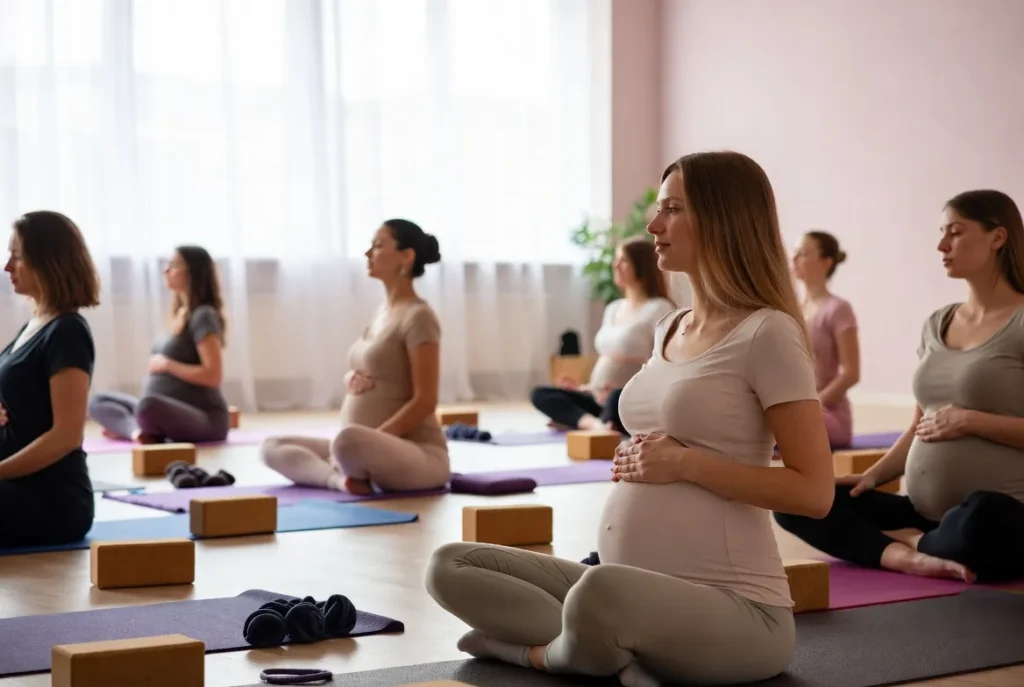
- Use of props (bolsters, blocks, chairs)
- Clear safety cues and instructions
- Compassionate, supportive teaching
What to Expect in a Prenatal Yoga Class
Most prenatal yoga classes last between 60 and 75 minutes and typically include:
- Gentle warm-up movements
- Pregnancy-safe breathing exercises
- Modified yoga postures
- Pelvic floor awareness
- Guided relaxation or meditation
- Optional sharing or discussion
Props are widely used to ensure comfort, stability, and relaxation throughout the class.
Prenatal Yoga by Trimester: Complete Class Guide
First Trimester (Weeks 1–12)
Focus:
- Gentle movement
- Breath awareness
- Managing fatigue and nausea
Recommended Poses:
- Cat-Cow
- Seated side stretches
- Gentle neck and shoulder mobility
Avoid overheating, intense abdominal work, and deep twists.
Second Trimester (Weeks 13–27)
Focus:
- Strength and balance
- Hip mobility
- Postural alignment
Recommended Poses:
- Modified Warrior II
- Goddess pose
- Supported squats
This is often the most comfortable time to begin prenatal yoga classes near me.
Third Trimester (Weeks 28–40)
Focus:
- Labor preparation
- Deep relaxation
- Pelvic opening
Recommended Poses:
- Supported butterfly
- Child’s pose with props
- Pelvic tilts
Restorative practices become especially valuable during this stage.
Step-by-Step: How a Prenatal Yoga Session Works
- Arrive hydrated
- Eat a light snack beforehand
- Inform the instructor of your trimester
- Use props freely
- Move slowly and mindfully
- Rest whenever needed
- Prioritize breathing over depth
Proper Form & Alignment in Prenatal Yoga
Key alignment principles include:
- Neutral spinal positioning
- Wider stance for balance
- No abdominal compression
- Generous prop support
- Open chest for optimal breathing
Correct alignment is always more important than flexibility.
Breathing Techniques Used in Prenatal Yoga
Common breathing practices include:
- Diaphragmatic breathing
- Three-part breath
- Slow nasal breathing
- Relaxed, lengthened exhalation
Breath retention is avoided during pregnancy.
Muscles Targeted in Prenatal Yoga
Prenatal yoga gently activates:
- Pelvic floor muscles
- Lower back stabilizers
- Gluteal muscles
- Inner thighs
- Upper back and shoulders
- Deep core stabilizers
These muscles support posture, balance, and childbirth.
Prenatal Yoga Variations (Beginner to Advanced)
| Level | Focus |
| Beginner | Gentle mobility and breathing |
| Intermediate | Stability and controlled strength |
| Advanced (with approval) | Supported flow-based practice |
Common Mistakes to Avoid
- Practicing without medical approval
- Overstretching due to relaxin
- Ignoring pain or dizziness
- Holding the breath
- Attending non-prenatal classes
Prenatal Yoga Safety Tips
Get medical approval
Choose certified instructors
Avoid deep twists and inversions
Stop if Dizziness occurs
Stay well hydrated
Safety is always the top priority.
Contraindications: Who Should Avoid Prenatal Yoga?
Prenatal yoga may need modification or avoidance if you have:
- High-risk pregnancy
- Placenta previa
- Severe pelvic pain
- Pre-eclampsia
- Recent surgery
Always follow medical guidance.
Tips for Beginners Starting Prenatal Yoga
- Begin slowly
- Choose beginner-level classes
- Ask questions
- Listen to your body
- Focus on consistency, not intensity
Duration & Frequency Recommendations
| Goal | Recommendation |
| General wellbeing | 2–3 times per week |
| Stress relief | 20–30 minute sessions |
| Labor preparation | Weekly consistent practice |
Science & Philosophy Behind Prenatal Yoga
Research shows prenatal yoga may support:
- Reduced anxiety
- Improved sleep quality
- Lower pain perception
- Better emotional regulation
Yoga philosophy emphasizes awareness, breath, and connection — essential skills during pregnancy and childbirth.
In-Studio vs Online Prenatal Yoga Classes
| Feature | In-Studio | Online |
| Personal feedback | ✅ | ❌ |
| Convenience | ❌ | ✅ |
| Community | ✅ | Limited |
| Cost | Higher | Lower |
Choose the format that best fits your lifestyle.
FAQs
Yes, certified teachers are medically acceptable.
The majority of women start in the second trimester.
Online classes may be effective, yes.
Yoga is focused on breath and rest.
No experience is required.
Conclusion
In case you are looking to find Prenatal yoga around me, you are already making self-care, awareness, and preparation choices.
Prenatal Yoga Does not concern perfect poses or physical performance. It is of quieting down, reducing stress, helping your growing body, and getting ready to give birth with confidence and calm.
When taught by a skilled teacher, with appropriate adjustments and regular practice, prenatal yoga will alleviate pain, enhance emotion, and build a connection between themselves and the baby.
Find out which certified prenatal yoga classes are in your neighborhood and start your healthy, safe, and supported pregnancy.
