
Introduction
Bikram Yoga poses are among the most structured and Disciplined Yoga Practices in the world. Unlike many yoga styles that vary from class to class, Bikram Yoga follows a fixed sequence of 26 postures and 2 breathing exercises performed in a heated room.
This practice is designed to challenge both the body and mind simultaneously. The heated environment increases circulation, warms the muscles, and helps practitioners move deeper into stretches more comfortably when practiced correctly. At the same time, the sequence improves focus, stamina, flexibility, balance, and mental resilience.
Many beginners feel intimidated by the intensity of Bikram Yoga, especially the heat. However, the consistent structure makes learning easier over time because every class follows the same order.
In this complete guide, you’ll learn all 26 Bikram yoga poses, breathing techniques, beginner modifications, alignment tips, benefits, common mistakes, and important safety precautions.
What Is Bikram Yoga?
Bikram Yoga is a structured form of hot yoga that consists of:
- 26 yoga postures
- 2 breathing exercises
- A heated room environment
- A fixed sequence performed in order
Traditional Bikram classes are practiced in rooms heated to approximately:
- 105°F (40.5°C)
- 40% humidity
The heated room helps:
- Warm the muscles
- Improve circulation
- Increase flexibility
- Support mobility
- Create cardiovascular demand
Unlike many modern yoga styles, Bikram Yoga follows the same sequence every session. This repetition allows practitioners to improve posture alignment, consistency, and body awareness over time.
Benefits of Bikram Yoga Poses
Physical Benefits
Regular practice of Bikram Yoga may help:
- Improve flexibility
- Strengthen muscles and joints
- Increase balance and coordination
- Enhance posture
- Support spinal mobility
- Improve endurance and stamina
- Increase body awareness
Mental Benefits
The challenging, heated environment may improve:
- Mental focus
- Stress management
- Emotional resilience
- Discipline and patience
- Mind-body connection
Emotional Benefits
Many practitioners report:
- Better mood
- Improved confidence
- Reduced anxiety
- Enhanced mindfulness
Bikram Yoga Sequence Overview
| Series | Poses Included | Main Focus |
| Standing Series | Poses 1–12 | Strength, balance, endurance |
| Floor Series | Poses 13–26 | Flexibility, spine mobility, recovery |
| Breathing Exercises | Beginning & end | Lung capacity and recovery |
The Complete 26 Bikram Yoga Poses
Standing Series
1. Pranayama Deep Breathing Pose
Sanskrit Name
Pranayama
Benefits
- Expands lung capacity
- Improves oxygen intake
- Warms the body
- Improves focus
How to Do It
- Stand tall with feet together.
- Interlace fingers under the chin.
- Inhale deeply through the nose.
- Lift elbows outward.
- Exhale slowly through the mouth.
Breathing Technique
Use slow, deep, rhythmic breathing.
Common Mistakes
- Shrugging shoulders
- Shallow breathing
- Moving too quickly
Muscles Targeted
- Intercostal muscles
- Diaphragm
- Upper chest
2. Half Moon Pose
Sanskrit Name
Ardha Chandrasana
Benefits
- Improves spinal flexibility
- Stretches the side body
- Strengthens the core
Step-by-Step Instructions
- Raise arms overhead.
- Interlock fingers.
- Bend sideways slowly.
- Keep hips stable.
- Engage abdominal muscles.
Proper Alignment
- Avoid collapsing the chest
- Keep arms straight
- Distribute weight evenly
Beginner Modification
Reduce the depth of the side bend.
Muscles Targeted
- Obliques
- Latissimus dorsi
- Core stabilizers
3. Awkward Pose
Sanskrit Name
Utkatasana
Benefits
- Strengthens thighs
- Builds lower-body endurance
- Improves knee stability
Instructions
- Stand with feet hip-width apart.
- Bend knees slowly.
- Keep chest lifted.
- Shift weight into heels.
Common Mistakes
- Knees extending beyond toes
- Rounded spine
- Weight shifting forward
Beginner Tip
Practice partial squats first.
4. Eagle Pose
Sanskrit Name
Garudasana
Benefits
- Improves balance
- Opens the shoulder and hip joints
- Enhances concentration
Alignment Tips
- Stack spine vertically
- Engage core muscles
- Keep gaze steady
Muscles Targeted
- Glutes
- Hip stabilizers
- Shoulders
5. Standing Head to Knee Pose
Sanskrit Name
Dandayamana-Janushirasana
Benefits
- Improves focus
- Strengthens the standing leg
- Increases hamstring flexibility
Breathing Technique
Exhale during forward folding.
Common Mistakes
- Locking the standing knee
- Rounding shoulders
- Forcing flexibility
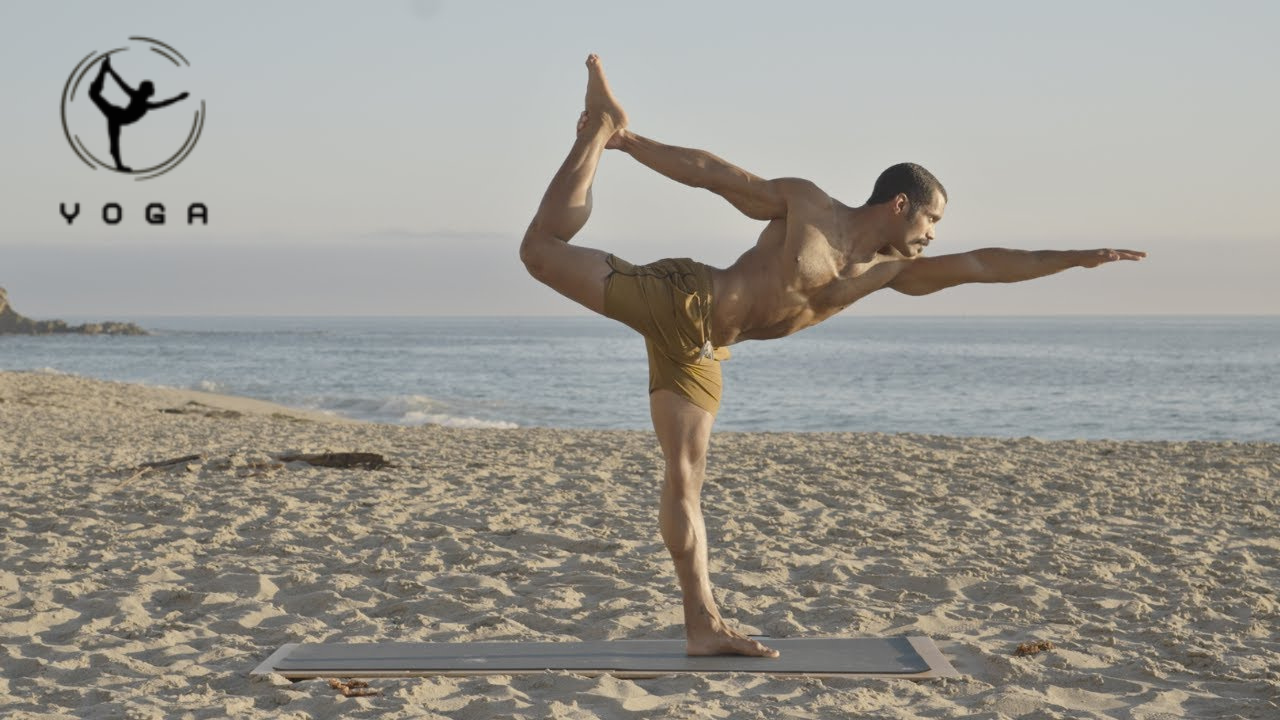
6. Standing Bow Pulling Pose
Sanskrit Name
Dandayamana-Dhanurasana
Benefits
- Opens shoulders
- Improves posture
- Enhances balance
Beginner Modification
Hold the pose lower until stability improves.
Muscles Targeted
- Back muscles
- Glutes
- Hamstrings
7. Balancing Stick Pose
Sanskrit Name
Tuladandasana
Benefits
- Strengthens the core
- Improves posture
- Builds cardiovascular endurance
Pro Tip
Imagine one straight line from fingertips to toes.
8. Standing Separate Leg Stretching Pose
Benefits
- Stretches hamstrings
- Improves circulation
- Releases lower-back tension
Alignment Tips
Keep weight balanced between heels and toes.
9. Triangle Pose
Sanskrit Name
Trikonasana
Benefits
- Improves hip mobility
- Strengthens legs
- Enhances spinal flexibility
Instructions
- Step feet wide apart.
- Bend front knee deeply.
- Extend arms outward.
- Rotate torso gently.
Common Mistakes
- Collapsing chest
- Leaning forward excessively
Muscles Targeted
- Quadriceps
- Obliques
- Hip flexors
10. Standing Separate Leg Head to Knee Pose
Benefits
- Deep hamstring stretch
- Improves patience and concentration
- Lengthens the spine
Beginner Modification
Keep knees slightly bent.
11. Tree Pose
Benefits
- Improves balance
- Strengthens ankles
- Builds concentration
Alignment Tips
- Press standing foot firmly
- Engage inner thighs
- Focus gaze on one point
12. Toe Stand Pose
Benefits
- Develops deep balance
- Strengthens feet
- Improves coordination
Beginner Tip
Use fingertips on the floor for support.
Floor Series
13. Dead Body Pose
Sanskrit Name
Savasana
Purpose
- Lowers heart rate
- Encourages recovery
- Regulates breathing
Pro Tip
Completely relax facial muscles and jaw.
14. Wind-Removing Pose
Benefits
- Massages the digestive organs
- Reduces bloating
- Improves hip flexibility
Breathing Technique
Exhale fully while compressing the abdomen.
15. Sit-Up Pose
Purpose
Transitions the body while maintaining circulation and awareness.
16. Cobra Pose
Sanskrit Name
Bhujangasana
Benefits
- Strengthens the spine
- Opens the chest
- Improves posture
Proper Form
- Keep elbows close
- Lift chest using back strength
- Avoid compressing the neck
Muscles Targeted
- Erector spinae
- Glutes
- Upper back
17. Locust Pose
Sanskrit Name
Salabhasana
Benefits
- Strengthens the lower back
- Activates glutes
- Supports posture
Beginner Modification
Lift one leg at a time initially.
18. Full Locust Pose
Benefits
- Strengthens the posterior chain
- Improves endurance
- Activates core stability
Common Mistakes
- Holding the breath
- Overarching the neck
19. Bow Pose
Sanskrit Name
Dhanurasana
Benefits
- Opens chest and shoulders
- Improves spinal flexibility
- Strengthens back muscles
Alignment Tips
- Keep knees hip-width apart
- Press feet into hands
20. Fixed Firm Pose
Benefits
- Improves knee flexibility
- Opens quadriceps
- Stretches ankles
Safety Note
Avoid deep range if you have knee injuries.
21. Half Tortoise Pose
Benefits
- Lengthens the spine
- Calms the nervous system
- Improves shoulder mobility
Breathing Technique
Slow nasal breathing helps relaxation.
22. Camel Pose
Sanskrit Name
Ustrasana
Benefits
- Opens the chest
- Improves spinal extension
- Enhances energy levels
Common Mistakes
- Dropping the head too Aggressively
- Compressing the lower back
Muscles Targeted
- Hip flexors
- Chest
- Spinal extensors
23. Rabbit Pose
Benefits
- Stretches the spine
- Relieves neck tension
- Improves flexibility
Beginner Tip
Focus on lengthening the spine rather than forcing the forehead downward.
24. Head to Knee Pose with Stretching Pose
Benefits
- Improves digestion
- Stretches hamstrings
- Encourages mindfulness
25. Spine Twisting Pose
Benefits
- Improves spinal mobility
- Releases stiffness
- Enhances flexibility
Proper Alignment
Rotate from the waist while keeping the spine tall.
26. Blowing in Firm Pose
Purpose
This final breathing exercise helps:
- Normalize breathing
- Cool the body
- Stabilize heart rate
Proper Form & Alignment in Bikram Yoga
Good alignment is essential in hot yoga because heat may create a false sense of flexibility.
Key Alignment Principles
- Keep the spine long
- Engage the core
- Avoid hyperextending joints
- Maintain controlled breathing
- Move slowly and mindfully
Why Alignment Matters
Proper alignment helps:
- Reduce injury risk
- Improve muscle activation
- Protect joints
- Increase long-term flexibility safely
Breathing Technique in Bikram Yoga
Breathing controls endurance and concentration during practice.
Best Breathing Practices
- Inhale through the nose whenever possible
- Avoid shallow chest breathing
- Match movement with breath
- Slow exhalations during intense stretches
Benefits of Proper Breathing
- Better oxygen delivery
- Improved focus
- Reduced dizziness
- Enhanced stamina
Muscles Targeted in Bikram Yoga
| Pose Category | Primary Muscles |
| Standing Balances | Core, glutes, ankles |
| Forward Folds | Hamstrings, calves, spine |
| Backbends | Chest, shoulders, spinal extensors |
| Twists | Obliques, spinal rotators |
| Floor Poses | Hip flexors, glutes, core |
Bikram Yoga for Beginners
What to Expect in Your First Class
Beginners often experience:
- Intense sweating
- Elevated heart rate
- Muscle fatigue
- Mental challenge
- Temporary dizziness
Most students adapt comfortably after 3–5 sessions.
Beginner Survival Tips
Arrive Hydrated
Drink water throughout the day before class.
Pace Yourself
You do not need to perform every posture perfectly.
Rest When Needed
Pause in a resting posture if overwhelmed.
Focus on Breathing
Breathing matters more than posture depth.
Avoid Comparing Yourself
Progress is gradual and personal.
Bikram Yoga Safety Tips
Stay Hydrated
Drink:
- Water before class
- Small sips during class
- Electrolytes afterward
Avoid Heavy Meals
Eat lightly 2–3 hours before practice.
Wear Breathable Clothing
Choose lightweight moisture-wicking fabrics.
Listen to Your Body
Stop immediately if you feel:
- Dizzy
- Nauseous
- Faint
- Overheated
Contraindications: Who Should Be Careful?
Consult a healthcare professional before practicing Bikram Yoga if you have:
- Heart disease
- High blood pressure
- Heat intolerance
- Pregnancy concerns
- Severe dehydration issues
- Recent injuries
- Chronic dizziness
Beginners with medical conditions should start gradually under supervision.
Bikram Yoga vs Hot Yoga
| Feature | Bikram Yoga | Hot Yoga |
| Sequence | Fixed 26 poses | Varies |
| Room Temperature | ~105°F | Different ranges |
| Class Structure | Standardized | Flexible |
| Breathing Exercises | 2 included | Depends on the teacher |
| Duration | Usually 90 minutes | Varies |
Are Bikram Yoga Poses Good for Weight Loss?
Featured Snippet Answer
Bikram Yoga may support weight loss by increasing physical activity, improving consistency, building muscle endurance, and encouraging healthier lifestyle habits. However, sweat loss itself is temporary and not equal to fat loss.
How Bikram Yoga Supports Fitness
- Burns calories through continuous movement
- Builds muscular endurance
- Improves consistency
- Encourages mindfulness around nutrition
Important Reality Check
Sweating heavily does not automatically mean fat loss. Sustainable weight management still depends on:
- Nutrition
- Sleep
- Recovery
- Long-term consistency
Science Behind Bikram Yoga
Research on heated yoga suggests potential benefits for:
- Flexibility
- Balance
- Mobility
- Stress reduction
- Cardiovascular response
The heated environment increases blood flow and tissue elasticity. However, excessive heat can also increase dehydration risk if hydration is ignored.
Yoga Philosophy Perspective
Traditional yoga philosophy emphasizes:
- Discipline
- Breath awareness
- Concentration
- Mind-body connection
The repetitive Bikram sequence trains consistency and mental endurance over time.
Duration & Frequency
Recommended Frequency
| Experience Level | Weekly Practice |
| Beginners | 2–3 classes |
| Intermediate | 3–5 classes |
| Advanced | 5–6 classes |
Ideal Session Duration
Traditional Bikram sessions last:
- 90 minutes
Some modern studios also offer:
- 60-minute variations
Common Mistakes Beginners Make
1. Pushing Too Hard
Heat can make overstretching easier and more dangerous.
2. Ignoring Breath
Breath control is essential for endurance.
3. Drinking Excessive Water Mid-Class
Too much water may cause discomfort during intense movement.
4. Comparing Yourself to Others
Everybody adapts differently.
5. Locking the Joints
Keep joints active but not aggressively hyperextended.
Pros & Cons of Bikram Yoga
| Pros | Cons |
| Structured sequence | Intense heat |
| Improves flexibility | Challenging for beginners |
| Builds mental resilience | Risk of dehydration |
| Enhances balance | Not suitable for everyone |
| Easy to track progress | Requires hydration awareness |
Diet & Hydration Tips for Bikram Yoga
Before Class
Eat:
- Fruit
- Oatmeal
- Yogurt
- Light protein meals
Avoid:
- Greasy foods
- Alcohol
- Heavy meals
After Class
Focus on:
- Electrolytes
- Hydration
- Protein
- Complex carbohydrates
Home Practice Suggestions
Although traditional Bikram Yoga is studio-based, beginners can practice selected poses safely at home.
Suggested Beginner Routine
- Deep Breathing
- Half Moon Pose
- Awkward Pose
- Triangle Pose
- Cobra Pose
- Half Tortoise Pose
- Savasana
Practice in a warm, ventilated room — not extreme heat.
FAQs
Bikram Yoga includes 26 postures and 2 breathing exercises.
Yes. Beginners can benefit greatly when practicing gradually and staying hydrated.
Yes. The sequence remains identical in traditional Bikram Yoga.
Yes. The heated environment may help muscles stretch more comfortably when practiced safely.
Conclusion
Bikram Yoga poses offer a powerful combination of strength, Flexibility, Endurance, Focus, and discipline. The structured 26-pose sequence allows practitioners to measure progress clearly while improving both physical and mental resilience.
For beginners, the heat may feel challenging at first, but consistency, hydration, and mindful pacing make the practice more manageable over time. Advanced yogis often appreciate the sequence for its intensity, predictability, and deep focus on alignment and concentration.
The most important lesson in Bikram Yoga is not perfection — it is consistency, breath control, and self-awareness.
If you want to improve flexibility, posture, stamina, and mental discipline, Bikram Yoga can become a transformative long-term practice when approached safely and intelligently.
Disclaimer
This content is for informational and educational purposes only and does not replace professional medical advice. Consult a qualified healthcare professional before starting Bikram Yoga or any exercise program, especially if you have medical conditions, injuries, or heat sensitivity.
