
Introduction: Why Svadhisthana Matters in Modern Yoga
Most individuals in the world today are overwhelmed by the rushes, the demands of emotions, and always-available ubiquitousness, and may find themselves out of touch with their inner happiness and creative needs, as well as their emotional sensitivity and the creative and joyful enjoyment without feeling guilty. The Emotional Suppression, rigidity, or instability is usually caused by daily stress, social demands, unresolved emotional patterns, the overload of digital information, or somatic oblivion.
In the present-day world, productivity is often rewarded more than presence, and logic is often rewarded more than feeling. Due to this, a lot of people are losing their sense of emotional intelligence, sense of sensuality, as well as the flow of their creativity. This disconnection is not only in the mental aspect, but is physically experienced in the hips, pelvis, lower back,k and the nervous system.
This is at the point where Yoga Svadhisthana, more popularly known as Sacral Chakra Yoga, finds its relevance and transformation.
The second chakra in the conventional yogic energy system is called Svadhisthana. It controls feelings, imagination, enjoyment, sensuality, sexual relations, accommodation, and the capability of following a life. When such an energy center is in coordination, life is fluid, expressive, emotionally nourishing, and creatively alive. When blocked, suppressed, or overstimulated, people can be emotionally numb, guilty, ashamed of pleasure, uninspired in creative projects, afraid of intimacy, mood swings, or unhealthy attachment.
It is a detailed guide, aimed at the real yoga student who has a real life, as opposed to many chakra-centered articles which are either abstract, mystical, or overly spiritual. It is a fusion of the ancient yogic knowledge with contemporary embodiment, neuroscience, emotional control, and mindful movement.
In this guide, you will learn:
The actual meaning of Svadhisthana in yoga philosophy.
The functioning of the sacral chakra energy in physical, emotional, and energy aspects.
Real-life applications of restoring Svadhisthana by means of yoga postures, breathing, meditation, reciting mantras, and everyday life.
The manner of integrating the knowledge about the sacral chakra in modern life securely and sustainably.
Whether you are a yoga beginner, an advanced teacher, a therapist using somatic tools, a person with emotional trauma to heal with conscious movement, or a person with a grounded, mindful, and functional activation, balancing and embodiment of the Svadhisthana chakra yoga, this elaborated guide will help you achieve that.
What Is Yoga Svadhisthana? (Meaning & Sanskrit Origin)
It is a classical Sanskrit word that has two roots: Svadhisthana.
Sva = Self, one’s own essence
Adhisthana = Seat, foundation, dwelling place
Together, Svadhisthana means the abode of the self.
Swadhisthana in yogic philosophy is the second major chakra, popularly referred to as the Sacral Chakra. It is closely connected to emotional consciousness, pleasure, innovation, sexuality, intimacy, reproduction, and fluidity – physical and psychological.
Whereas the first chakra (Muladhara (Root Chakra) deals with survival, grounding, and safety, Svadhisthana brings in movement, feeling, and expression. It shows us how to take pleasure in the experiences of our lives without feeling like a slave to a desire or being shut down by shame.
Who knows where instinct and awareness meet? There, at Svadhisthana, is where sensation becomes emotion and expression becomes emotion.
What Does Yoga Svadhisthana Include?
Yoga Svadhisthana is not a pose or a specific practice. It is an integrative system of practice that is holistic and aims to awaken and equalize sacral energy by way of mindful embodiment.
The whole practice of Yoga Svadhisthana may include:
Yoga poses targeted at the sacral chakra.
Pelvic consciousness and slow rhythmic motion.
Breathwork (pranayama) in consciousness.
Mediation and visualization.
Mantra recitation (Bija mantra: VAM).
Self-show processing and self-reflection.
Practices in lifestyle that favor pleasure, creativity, and healthy boundaries.
Instead of making the emotional release, sacral chakra yoga promotes the permission, the softness, and the fluidity.
Svadhisthana Chakra in Yoga Philosophy
In classical yogic teachings, chakras are described as subtle energy centers through which prana (life force energy) flows. These centers influence physical health, emotional patterns, mental clarity, and spiritual growth.
Svadhisthana chakra is positioned between:
- Muladhara (Root Chakra)
- Manipura (Solar Plexus Chakra)
This placement makes Svadhisthana a bridge between instinct and empowerment — between basic survival needs and personal power.
What Svadhisthana Represents
From a philosophical and psychological perspective, Svadhisthana embodies:
- Emotional intelligence and sensitivity
- Desire, motivation, and passion
- Pleasure without dependency or addiction
- Creativity, imagination, and artistic flow
- Adaptability and emotional resilience
One of the most important teachings of this chakra is:
Feel fully, but do not cling.
Svadhisthana is governed by the water element, symbolizing movement, change, softness, and flow. Just as water must circulate to remain fresh, emotions must be felt, expressed, and released to remain healthy.
Symbolism, Color & Element: Why Water Matters
Sacral Chakra Color: Orange
The color orange represents:
- Creative vitality
- Emotional warmth
- Enthusiasm and joy
- Sensual awareness
- Openness to experience
Energetically, orange balances stimulation with gentleness, making it ideal for emotional harmony and expressive freedom.
Sacral Chakra Element: Water
The water element symbolizes:
- Flow and adaptability
- Emotional depth and sensitivity
- Pleasure and receptivity
- Change, cycles, and movement
When water is obstructed, it becomes stagnant. Likewise, when emotions are repressed or denied, they manifest as tension, rigidity, or imbalance.
Svadhisthana Chakra Symbol
- Six-petaled lotus → Six emotional tendencies
- Crescent moon → Cycles, intuition, feminine and receptive energy
Location & Energetic Function of the Sacral Chakra
Physical Location
Svadhisthana is located in the:
- Lower abdomen
- Pelvic bowl
- Approximately two inches below the navel
This region houses major nerve plexuses, reproductive organs, and deep emotional memory.
Energetic Functions of Svadhisthana
- Creative inspiration and imagination
- Emotional processing and regulation
- Sexual and reproductive vitality
- Pleasure, joy, and sensual awareness
- Relationship dynamics and intimacy
- Healthy emotional boundaries
Svadhisthana connects physical sensation with emotional meaning, making it central to embodied yoga and somatic healing practices.
Signs of Svadhisthana Imbalance
When Svadhisthana Is Balanced
- Emotional steadiness
- Creative inspiration and motivation
- Healthy, conscious intimacy
- Pleasure without guilt or excess
- Adaptability during change
- Comfortable emotional expression
When Svadhisthana Is Blocked or Overactive
Emotional Signs
- Mood instability
- Emotional numbness or suppression
- Shame or guilt related to pleasure
- Fear of closeness or vulnerability
- Emotional dependency or detachment
Physical Signs
- Hip stiffness or tightness
- Lower back discomfort
- Pelvic tension
- Reproductive or urinary issues
Energetic Signs
- Creative stagnation
- Feeling emotionally “stuck.”
- Difficulty enjoying life fully
Yoga Practices for Svadhisthana (Asanas & Flow)
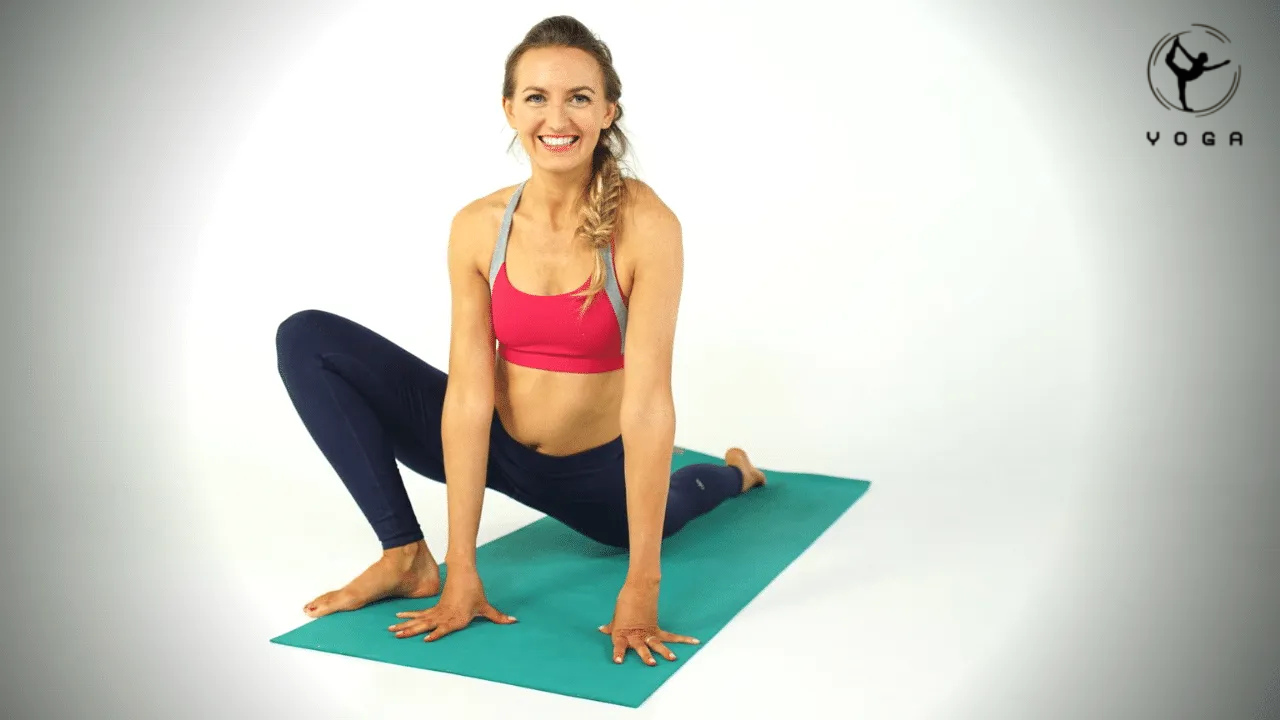
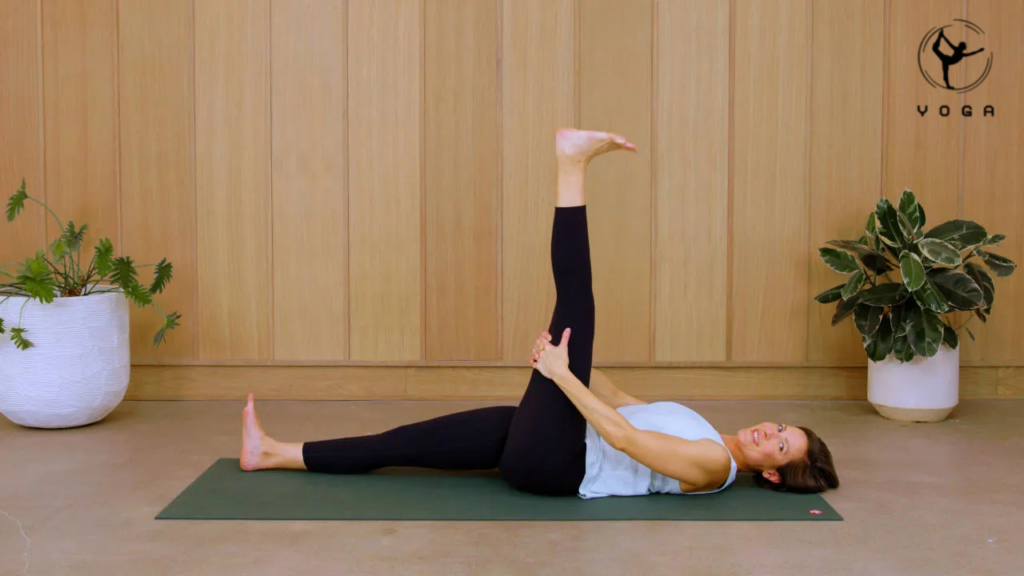
Best Sacral Chakra Yoga Poses
Yoga Pose: Main Benefit: Malasana (Garland Pose) releases deep pelvic tension. Baddha Konasana Opens hips and inner thighs. Goddess Pose Activates sensual awareness. Pigeon Pose facilitates emotional release. Supta Baddha Konasana: Restorative sacral healing, Pelvic Circles, Encourages fluid movement
Sample Svadhisthana Yoga Flow (Beginner-Friendly)
- Gentle Cat–Cow with pelvic awareness
- Standing or seated hip circles
- Goddess Pose with slow pulses
- Bound Angle Pose
- Reclined Bound Angle Pose (5–7 minutes)
Key Cue: Move slowly. Breathe consciously. Allow sensation to guide awareness — never force depth.
Breathwork, Meditation & Mantras for Svadhisthana
Pranayama for Sacral Chakra
- Pelvic Breathing: Inhale into the lower belly, soften the exhale
- Ujjayi Breath: Encourages emotional flow and nervous system balance
Sacral Chakra Meditation Technique
- Visualize a warm orange glow in the lower abdomen
- Imagine emotions flowing like gentle water
- Allow emotional heaviness to dissolve naturally
Bija Mantra: VAM
- VAM is the seed sound of Svadhisthana
- Chanting creates vibration in the pelvic region
- Best practiced after yoga or meditation
- Duration: 5–10 minutes
Step-by-Step Svadhisthana Activation Practice
- Sit comfortably or lie down
- Place one hand on the lower belly
- Breathe deeply for two minutes
- Chant VAM slowly and mindfully
- Visualize orange light and flowing water
- End with stillness and gratitude
Proper Alignment & Safety Tips
Alignment Guidelines
- Maintain a neutral pelvis
- Avoid forcing hip opening
- Use props for support
- Respect physical and emotional limits
Contraindications
- Recent pelvic surgery
- Severe lower back injuries
- Pregnancy (modify poses accordingly)
Always practice with awareness and gentleness.
Lifestyle Habits That Support Svadhisthana
- Stay well hydrated
- Engage in free-form movement or dance
- Practice creative expression (art, music, writing)
- Journal emotions regularly
- Cultivate healthy relational boundaries
Duration & Frequency Recommendations
PracticeRecommended FrequencyYoga flow3–5 times weeklyBreathworkDailyMeditation5–10 minutes dailyLifestyle habitsOngoing
Yoga Philosophy & Modern Science
From a yogic lens, Svadhisthana regulates pranic flow related to emotion and pleasure.
From a scientific perspective, conscious pelvic movement and breath activate the parasympathetic nervous system, supporting emotional regulation, stress reduction, and nervous system resilience.
Pros & Cons of Sacral Chakra Yoga
Pros
- Emotional healing
- Creative expansion
- Improved intimacy
- Stress relief
Cons
- Emotional release may feel intense
- Requires regular practice
- Not an overnight solution
FAQs
Emotional or creative changes in most people can be observed within 2-4 weeks of regular practice.
Yes. Gentle breath-work, hip openers, and meditation are appropriate for those new to it.
No. It is also an element of creativity, joy, emotions, adaptability, and pleasure.
Yoga is effective; however, the combination of movement with mindfulness and awareness of lifestyle is the most effective.
Conclusion
It is not only about fusing an energy center that Yoga Svadhisthana is, it is the retrieval of emotional circulation, imaginative ease, and embodied enjoyment without fear or disgrace.
Sacral chakra yoga is a lesson of moderation, emotional tuning, and mindful delight in a world that tends to encourage emotional depression or Hyper-Stimulation. By careful poses, conscious breathing, vibration of mantras, and facilitating daily practices, Svadhisthana is not a hypothesis but a body experience.
It is best to be consistent than to be intense. The more cordially and frequently you train, the more instinctively emotional intelligence, creativity, and flexibility arise.
Note: Restoring the sacral chakra does not involve imposing change – it involves letting change. Similar to water, emotions are supposed to run.
Provided that this guide helped you, get to know more yoga philosophy and wellness materials on theyogafitness.com, spread this article among fellow yogis, and start developing a greater emotional balance in your life today.
