
Introduction
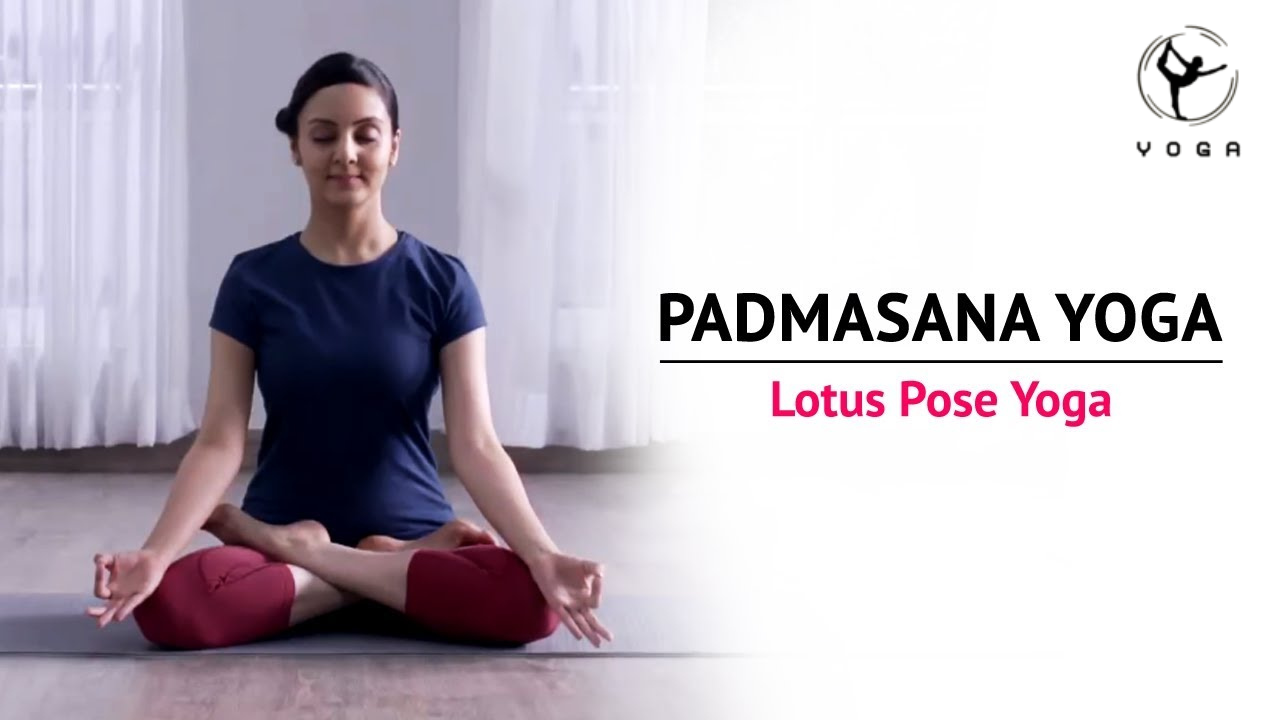
Padmasana, or Lotus Position Yoga, is one of the most famous and iconic yoga poses in the whole world. You probably see it in the pictures of meditation–a person sitting with a long spine with the elegantly drawn legs, and being a source of tranquility and inner repose.
Nevertheless, there is an important fact, which is often not understood by many:
Lotus pose is not in itself easy, and this should never be forced.
One of the most common myths is the idea that this posture can only be accomplished by so-called flexible people. As a matter of fact, the issue of flexibility on its own is not what counts. The actual limitation is the lack of hip mobility, incorrect positioning, and preparation.
This detailed research-based pillar guide aims at providing you with a full comprehension of Lotus Position Yoga, such as:
The pose is based on the scientific and anatomical premises.
Progressive implementation using safety-related methods.
Mistakes everyone can make, and the reason most people fail.
Elaborated biomechanics (explain hips vs knees)
Developing levels between novice and high.
Risks and precautions of injuries, and recovery plans.
The advantages of meditation and mind-body interrelation.
Be it a beginner in the field of yoga, exploring the field, or an expert taking charge of his/her position, this guide will show you how to approach Padmasana in the most intelligent, safe, and efficient way.
What Is Lotus Position Yoga?
Lotus Position Yoga (Padmasana) is a seated cross-legged posture in which:
- Each foot is placed on the opposite thigh
- Knees gradually descend toward the floor
- Spine remains upright, elongated, and stable
This posture creates a strong and symmetrical base, allowing the body to remain steady for extended periods.
Meaning Behind the Name
- Padma = Lotus flower
- Asana = Posture or seat
The lotus flower symbolizes purity, transformation, and spiritual growth. It rises from muddy water yet remains clean and untouched—representing the human journey toward clarity and enlightenment.
Where Is Lotus Pose Used?
Padmasana is widely practiced in:
- Meditation (Dhyana)
- Breathing exercises (Pranayama)
- Mindfulness and awareness training
- Spiritual and contemplative practices
It is considered one of the most stable and balanced seated positions, making it ideal for prolonged meditation sessions.
Benefits of Lotus Position Yoga (Science-Based)
Mental Benefits
Practicing the Lotus Position regularly can significantly enhance mental well-being:
- Improves concentration and sustained attention
- Promotes deep relaxation and emotional stability
- Activates the parasympathetic nervous system
- Supports prolonged meditation without discomfort
When the body achieves stillness, the mind naturally transitions into a calm and focused state.
Physical Benefits
Padmasana offers several structural and musculoskeletal advantages:
- Enhances spinal alignment and posture awareness
- Strengthens core stabilizing muscles
- Increases hip flexibility and joint mobility
- Encourages balanced muscle engagement
Maintaining an upright spine trains the body to adopt healthier posture patterns even outside practice.
Internal & Physiological Benefits
Beyond muscles and joints, Lotus Pose positively influences internal systems:
- Improves respiratory efficiency
- Supports digestive function
- Helps regulate stress hormones
- Enhances oxygen circulation and alertness
Research indicates that upright sitting positions can improve breathing capacity and cognitive alertness.
How to Do the Lotus Position
Step-by-Step Guide (Safe Method)
- Sit on the floor with legs extended forward
- Bend your right knee and place the foot on the left thigh
- Bend your left knee and place your foot on the right thigh
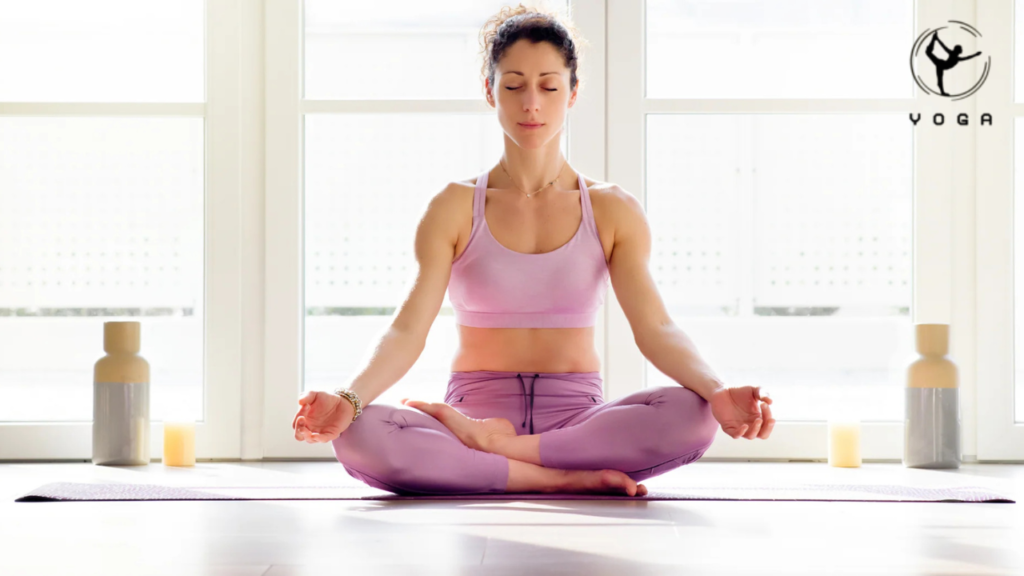
- Keep your spine straight, tall, and aligned
- Rest your hands on your knees (Chin Mudra or Jnana Mudra)
- Relax your shoulders and breathe slowly
Begin with short durations (30–60 seconds) and gradually increase over time.
Proper Form & Alignment
Most injuries occur due to incorrect alignment—not the posture itself.
Key Alignment Rules
- Spine: Neutral, upright, and elongated
- Knees: Move naturally without force
- Hips: Must externally rotate
- Ankles: Relaxed and supported
Warning:
If your knees remain elevated or painful → your hips are not sufficiently open yet.
Breathing Technique in Lotus Pose
Breathing transforms this posture from physical to meditative.
How to Breathe
- Inhale through the nose (4–6 seconds)
- Expand the diaphragm fully
- Exhale slowly (6–8 seconds)
This rhythmic breathing pattern activates the calming branch of the nervous system, reducing stress and enhancing mindfulness.
Muscles Targeted in Lotus Pose
| Muscle Group | Role |
| Hip External Rotators | Enable leg rotation |
| Glutes | Provide stability |
| Core Muscles | Maintain upright posture |
| Lower Back | Support spinal alignment |
| Inner Thighs | Improve flexibility |
The primary work occurs in the hips—not the knees.
Why Most People Can’t Do Lotus Pose
Biggest Myth
“I can’t do lotus Because my knees are stiff.”
Reality
Lotus Pose depends on hip mobility—not knee flexibility.
Biomechanics Explained (Simple)
- The pose requires external rotation of the hips
- Tight hips transfer pressure to the knees
- Knees are hinge joints—they do not rotate
Forcing the posture can lead to:
- Meniscus injuries
- Ligament strain
- Chronic knee pain
Golden Rule:
If you feel pain in the knees → STOP immediately.
Preparatory Poses for Beginners
Before attempting Padmasana, it’s essential to prepare the body.
Best Beginner Poses
- Butterfly Pose (Baddha Konasana)
- Pigeon Pose
- Hero Pose (Virasana)
- Seated Forward Fold
Practicing these regularly will gradually improve flexibility and mobility.
Half Lotus vs Full Lotus
| Feature | Half Lotus | Full Lotus |
| Difficulty | Beginner | Advanced |
| Flexibility | Moderate | High |
| Risk Level | Low | Higher |
| Best For | Beginners | Experienced practitioners |
Always begin with Half Lotus (Ardha Padmasana).
Variations of Lotus Pose
Beginner Level
- Cross-legged (Sukhasana)
- Half Lotus
Intermediate
- Supported lotus (with cushion)
- Blocks under knees
Advanced
- Full Lotus (Padmasana)
- Bound Lotus (Baddha Padmasana)
Common Mistakes to Avoid
- Forcing the legs into position
- Ignoring knee discomfort
- Rounding the spine
- Skipping warm-up routines
- Holding the breath
Intelligent practitioners always listen to their body signals.
Risks, Safety & Who Should Avoid It
Avoid Lotus Pose If You Have:
- Knee injuries
- Ligament damage
- Severe hip tightness
- Ankle pain
Possible Risks
- Knee strain
- Joint inflammation
- Ligament stress
Always prioritize long-term safety over short-term achievement.
Lotus Position for Meditation & Spiritual Growth
This is where Lotus Pose becomes deeply transformative.
Why It’s Used in Meditation
- Creates a stable and grounded base
- Maintains spinal alignment
- Minimizes body movement
- Improves breath control
Scientific Insight
- Upright posture enhances alertness
- Stillness improves mindfulness
- Controlled breathing calms the brain
It acts as a powerful mind-body integration tool.
Yoga Philosophy Behind Lotus Pose
In yogic philosophy:
- Lotus represents purity and awakening
- The posture symbolizes balance between effort and surrender
It reflects rising above distractions and achieving higher awareness.
Diet Tips for Better Flexibility
- Stay hydrated throughout the day
- Consume fruits and vegetables regularly
- Avoid heavy meals before practice
Hydrated tissues support better flexibility and recovery.
Home Practice Routine
Weekly Plan
| Day | Practice |
| Mon | Hip openers + Half Lotus |
| Wed | Stretching + Meditation |
| Fri | Full attempt |
| Sun | Recovery yoga |
Duration Guide
- Beginner: 1–5 minutes
- Intermediate: 5–15 minutes
- Advanced: 20+ minutes
Consistency is more important than intensity.
Pros & Cons
Pros
- Excellent for meditation
- Improves posture
- Enhances flexibility
- Builds discipline
Cons
- Challenging for beginners
- Risky if forced
- Requires time and patience
Tips for Beginners (Must Read)
- Start with Half Lotus
- Use cushions or props
- Focus on hip mobility
- Be patient and consistent
Progress in yoga is gradual but deeply rewarding.
FAQs
No. You can meditate in any comfortable position. Lotus is helpful but not required.
Start with 1–5 minutes, then increase gradually.
Only if done incorrectly or forced.
Because your hips are tight, and pressure shifts to knees.
It can take weeks to months, depending on flexibility.
Conclusion
Lotus Position Yoga (Padmasana) is far more than a simple seated posture—it represents a powerful fusion of:
- Physical Stability
- Mental clarity
- Spiritual awareness
But always remember:
It is fundamentally a hip mobility challenge—not a knee flexibility test.
If you:
- Practice consistently
- Focus on preparation
- Respect your body’s limits
You will progress safely and steadily.
True mastery of Lotus Pose is not about forcing the body—it’s about understanding it, training it, and evolving with it.
