
Introduction: Why Cat Yoga Is Taking Over in 2026
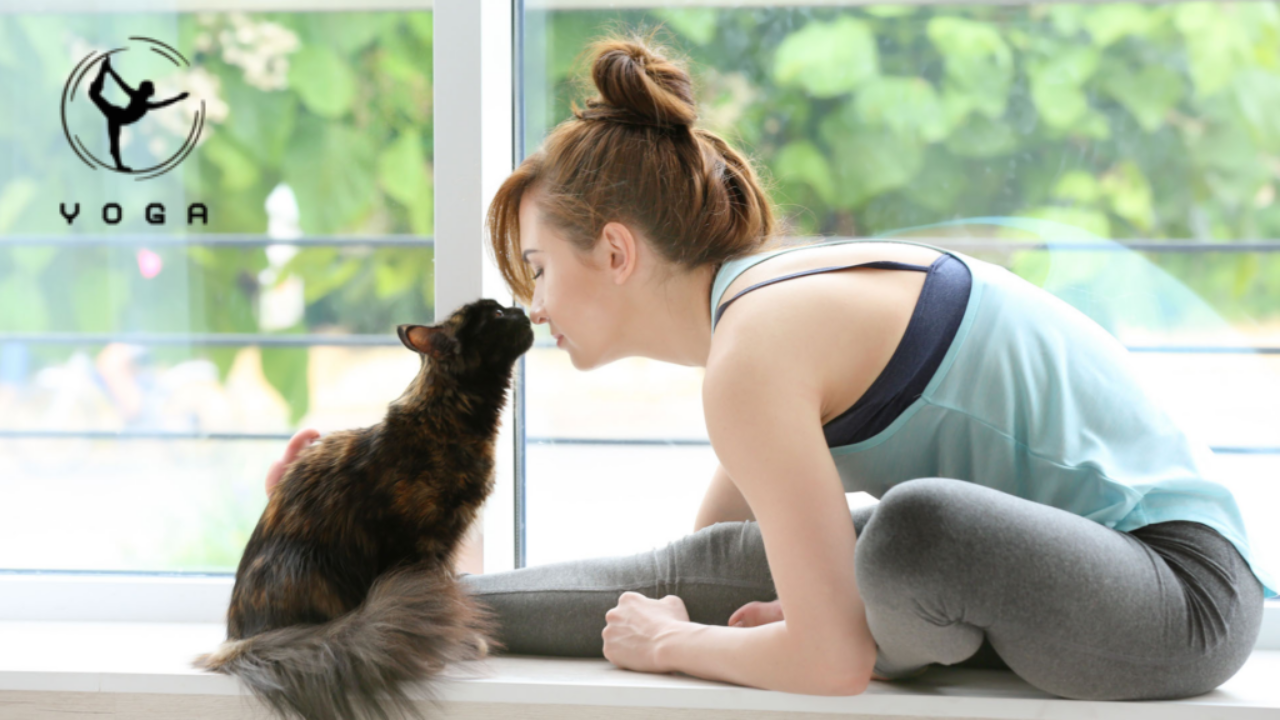
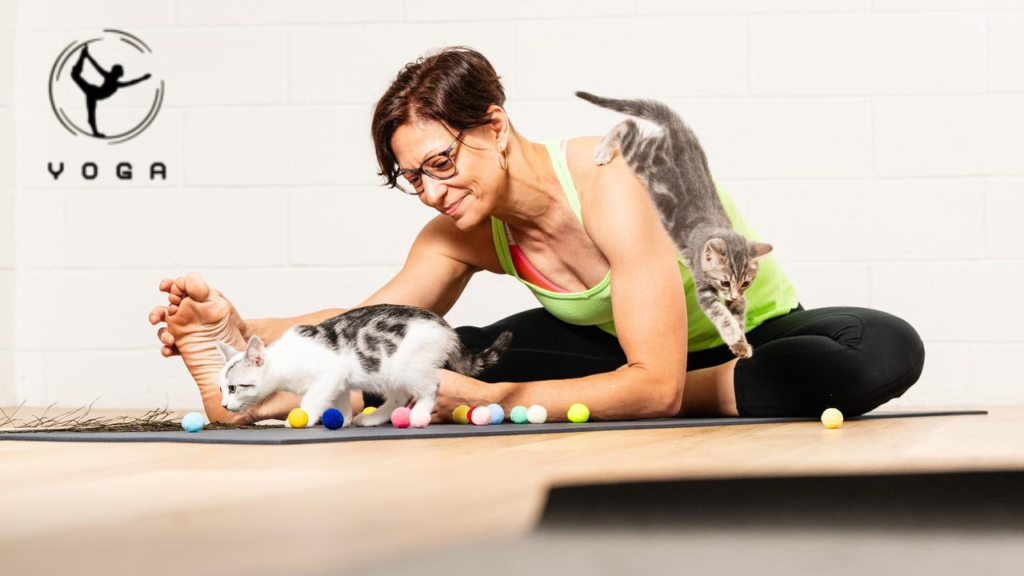
Imagine as you stretch on a mat of soft, squashy material, a purring cat walks slowly next to you or lies near on its back with a contented look on its face. Such a soothing, heartening experience is the essence of cat yoga.
In the busy, hyper-stimulated world of today, People are Increasingly interested in finding simple but meaningful methods to relax, re-energize and stay physically active, as well as emotionally balanced. The need to maintain holistic wellness has seen cat yoga being among the fastest-growing lifestyle trends in 2026.
As opposed to traditional yoga, which may be stiff, strict, or performance-related, cat yoga brings a more loose, along with fun and natural style. No, there are no high expectations, no need to be perfect, and no strict organization. You simply cozy up, inhale deeply and accept the naturalness of your cat friend.
According to many practitioners, cat yoga can help them:
Be less worried and anxious.
Live more joyful.
Be in the here and now.
Form a stronger emotional bond with animals.
Physical and mental advantages.
Step-by-step beginner routines
Safety issues and ethical considerations.
Popular poses and techniques.
Professional experience and hints.
Are you now ready to start your adventure of mindful movement and companioning with cats? Let’s explore.
What Is Cat Yoga?
Definition of Cat Yoga
Cat yoga is a wellness practice that combines gentle yoga exercises with the natural presence and interaction of cats. Rather than being controlled or directed, cats are free to roam, observe, and engage on their own terms.
This practice blends:
- Soft, mindful movements
- Breath awareness and meditation
- Animal-assisted relaxation
The fundamental philosophy is simple yet powerful:
You do not control the cats — you coexist and share space with them.
Key Characteristics of Cat Yoga
- Cats are never trained, restrained, or forced
- Interaction is voluntary, spontaneous, and natural
- Emphasis is placed on relaxation and awareness
- The atmosphere remains calm, soothing, and non-competitive
Where Cat Yoga Happens
Cat yoga can be practiced in a variety of environments, including:
- Yoga studios offering themed sessions
- Animal shelters promoting adoption
- Cat cafés with open interaction spaces
- The comfort of your own home
Many shelters incorporate cat yoga sessions to help socialize cats, reduce anxiety, and increase their chances of being adopted.
History & Evolution of Cat Yoga
Where It Started
Cat yoga originated in the early 2000s as part of the broader animal-assisted therapy and wellness movement. Inspired by the success of dog yoga (often referred to as “doga”), practitioners began experimenting with other animals.
Cats quickly became a natural fit because they are:
- Naturally calm and observant
- Known for their fluid stretching movements
- Comfortable in quiet, peaceful environments
Why Cat Yoga Became Popular
1. Social Media Expansion
Adorable videos and images of cats interacting with yoga practitioners spread rapidly online, capturing global attention.
2. Increased Mental Health Awareness
People began prioritizing emotional well-being and seeking accessible stress-relief practices.
3. Animal Adoption Campaigns
Shelters used cat yoga events as creative ways to connect potential adopters with animals.
4. Rise of Mindfulness Culture
Meditation, breathwork, and conscious living became more mainstream, aligning perfectly with cat yoga.
Today, cat yoga is recognized worldwide as a holistic wellness practice.
Benefits of Cat Yoga
1. Mental Health Benefits
Cat yoga offers powerful psychological advantages. The gentle combination of movement and animal interaction creates a calming mental state.
It can help:
- Reduce anxiety and nervous tension
- Improve mood and emotional stability
- Increase overall happiness and relaxation
The rhythmic purring of cats is believed to produce soothing vibrations that positively influence the brain.
2. Stress Reduction
This practice naturally reduces stress by combining physical relaxation with emotional comfort.
It helps:
- Lower cortisol levels (stress hormone)
- Encourage slower, deeper breathing
- Promote a sense of inner tranquility
3. Emotional Connection
Cat yoga strengthens the bond between humans and animals.
It supports:
- Reduced feelings of loneliness
- Increased empathy and compassion
- Enhanced emotional awareness
4. Physical Benefits
Although gentle and low-impact, cat yoga still provides meaningful physical improvements.
Benefits include:
- Enhanced flexibility and mobility
- Improved posture and alignment
- Light muscular engagement and activation
5. Promotes Animal Welfare
Cat yoga is not only beneficial for humans but also supports animal well-being.
It contributes to:
- Higher adoption rates in shelters
- Better socialization for shy or anxious cats
- Increased awareness of animal care
It’s a mutually beneficial experience for both humans and animals.
Is Cat Yoga Safe or Ethical?
Ethical Guidelines
To ensure a safe and respectful experience:
- Never force cats into interaction
- Allow complete freedom of movement
- Respect boundaries and body language
- Observe behavior carefully
Potential Concerns
- Cats may become overstimulated
- Timid cats may feel uneasy
- There is a possibility of minor scratches
Best Practice
Always prioritize the comfort and well-being of the cat.
If a cat appears distressed:
- Pause your activity
- Give it space
- Remain calm and patient
Beginner Cat Yoga Routine (Step-by-Step)
1: Prepare Your Space
- Use a soft, comfortable yoga mat
- Choose a quiet, distraction-free area
- Create a peaceful atmosphere
2: Let Your Cat Explore
- Allow natural curiosity to guide interaction
- Avoid picking up or restraining your cat
- Let the cat approach you voluntarily
3: Start with Breathing
- Sit in a relaxed position
- Inhale slowly and deeply
- Exhale gently and fully
Observe your cat and remain present.
4: Perform Basic Poses
Cat-Cow Stretch
- Enhances spinal flexibility
- Mimics natural feline movement
Child’s Pose
- Encourages deep relaxation
- Often attracts curious cats
Downward Dog
- Provides a full-body stretch
- Cats may walk Underneath or around you
5: End with Relaxation (Savasana)
- Lie down comfortably
- Close your eyes
- Allow your cat to rest nearby
This is often the most serene and fulfilling part of the session.
Popular Cat Yoga Poses
| Pose Name | Benefit | Difficulty |
| Cat-Cow Stretch | Spine flexibility | Beginner |
| Child’s Pose | Deep relaxation | Beginner |
| Downward Dog | Full-body stretch | Beginner |
| Seated Meditation | Mindfulness | Beginner |
| Gentle Twists | Spinal mobility | Intermediate |
Proper Form & Alignment
Even in a relaxed environment, maintaining proper alignment is important.
Tips for Good Alignment
- Keep your spine neutral and supported
- Move slowly and deliberately
- Stay aware of your cat’s position
- Avoid sudden or jerky movements
Proper technique helps prevent discomfort or injury.
Breathing Techniques for Cat Yoga
Breathing plays a crucial role in enhancing the experience.
Simple Breathing Method
- Inhale through your nose
- Exhale through your mouth
- Synchronize breath with movement
This promotes calmness and mental clarity.
Muscles Targeted in Cat Yoga
Cat yoga gently engages several muscle groups:
- Core muscles
- Back and spinal stabilizers
- Hamstrings
- Shoulders and upper body
While not intense, it maintains physical activity and flexibility.
Variations (Beginner to Advanced)
Beginner Level
- Simple movements
- 10–15 minutes
Intermediate Level
- Flow sequences
- 20–30 minutes
Advanced Level
- Extended sessions
- Multiple cats
- Deeper mindfulness practices
Common Mistakes to Avoid
Avoid these frequent errors:
- Forcing cats into participation
- Ignoring posture and alignment
- Practicing in noisy or chaotic spaces
- Expecting a structured workout
Cat yoga is about ease, not perfection.
Safety Tips for Cat Yoga
- Trim your cat’s nails regularly
- Maintain a clean practice area
- Move slowly and mindfully
- Watch for signs of stress or discomfort
Safety ensures a positive experience for both you and your cat.
Contraindications
Cat yoga may not be suitable for:
- Individuals with cat allergies
- Those uncomfortable around animals
- People seeking high-intensity workouts
Choose a practice aligned with your personal needs.
Tips for Beginners
If you are new to cat yoga:
- Start gradually
- Be patient and flexible
- Focus on relaxation rather than performance
- Allow your cat to guide the interaction
Your cat becomes your natural yoga companion.
Duration & Frequency
| Level | Duration | Frequency |
| Beginner | 10–15 min | 3–4 times/week |
| Intermediate | 20–30 min | 4–5 times/week |
| Advanced | 30–45 min | Daily |
Science Behind Cat Yoga
Psychological Effects
- Animal interaction releases oxytocin (bonding hormone)
- Reduces stress hormones
Mindfulness Theory
- Encourages present-moment awareness
- Reduces overthinking and mental clutter
This explains the deeply relaxing effect of cat yoga.
Cat Yoga at Home vs Studio
| Feature | Home Practice | Studio Class |
| Control | High | Medium |
| Comfort | High | Medium |
| Social Interaction | Low | High |
| Cat Behavior | Predictable | Variable |
Both options offer unique advantages.
Diet Tips (Optional Wellness Boost)
Enhance your experience with supportive habits:
- Stay hydrated
- Eat light before sessions
- Include magnesium-rich foods
A nourished body enhances relaxation.
Home Workout Suggestions
- Combine yoga with meditation
- Practice in natural light
- Add gentle stretching routines
Pros & Cons of Cat Yoga
Pros
- Reduces stress and anxiety
- Boosts mood and happiness
- Beginner-friendly
- Supports animal welfare
Cons
- Less structured
- Can be distracting
- Not physically intense
- Depends on cat behavior
FAQs
Cat yoga helps reduce stress, improve emotional well-being, and increase mindfulness through gentle movement and cat interaction.
Yes, cat yoga is perfect for home practice. Just create a calm space and let your cat interact naturally.
No, cats do not practice yoga. But their natural stretches look similar to yoga poses.
Yes, as long as:
Cats are not forced
The environment is calm
Beginners can start with:
10–15 minutes and increase gradually.
Conclusion
Cat yoga is more than a passing trend — it is a calming lifestyle practice that encourages balance, awareness, and connection.
It teaches you:
- To slow down and breathe
- To appreciate simple moments
- To connect deeply with animals
- To relax your mind and body
You don’t need:
- Perfect Flexibility
- Expensive equipment
- Prior experience
You only need:
- A quiet space.
- An open mindset.
- Your cat.
