
Introduction
Being disciplined in the present-day world has grown very hard. Continuous communications, inexhaustible digital media, hectic schedules, and psychological exhaustion make it Hard to be Focused and consistent. Most individuals embark on healthy habits and fail to continue with them long enough to achieve actual outcomes.
Nevertheless, discipline is one of the strongest attributes that an individual can afford to develop. It allows people to be determined, healthy, and strong psychologically. Both physical fitness, emotional stability, and professional success have the same goal; however, discipline is what will make the difference between short-term and long-term success.
Although most individuals imagine yoga to be an act of stretching or taking rest, traditional yoga was structured as a holistic method of body, mind, and behaviour training. Self-mastery is the deeper meaning of yoga.
By systematic practices like:
Asana (yoga postures)
Pranayama (yoga breathing)
Mindfulness awareness
Patience, concentration, stamina, and emotional regulation are slowly built up in yoga.
After some time, the constant use of yoga exercises conditions the brain to be more alert, relaxed, and disciplined. The practices that are acquired in yoga frequently transfer to other aspects of life, such as work output, relationships, and personal growth.
This is a complete manual that investigates the discipline of yoga. You will learn:
What is yoga in its actual meaning?
The philosophical underpinnings of the yogic discipline.
The significance of the Eight Limbs of Yoga.
Scientific reasons for discipline training.
Yoga is practiced daily by beginners and the advanced.
Meditation methods that help one focus.
Mistakes that undermine discipline.
Real-life suggestions to remain consistent over time.
It does not matter whether you are entirely new to yoga or you are already practicing on a regular basis; knowing about disciplined yoga can make a difference in the practice as well as in your lifestyle.
What Is Discipline Yoga?
Disciplined yoga means the ability to develop inner control, consistency, and self-regulation via consistent yoga and yogic philosophy.
Yoga is not focused on external rules, as it has strict discipline. This implies that people train themselves on how to control their behavior, thoughts, and even emotions by being aware and by practicing.
Simple forms of discipline yoga are:
Yoga practising.
Developing mental focus
Controlling impulses and responses.
Adhering to principles of ethics.
Committing to personal development and enhancement.
Such discipline is not a restriction or punishment. Rather, it aims at building a lifestyle that will facilitate balance, mindfulness, and long-term health.
The ability to be patient, focused, and stable in emotions is gradually enhanced with repeated breathing exercises, meditation, and posture through the use of these techniques.
These behaviors in the long run create strong neural patterns that facilitate discipline and self-regulation.
Why Yoga Is Considered a Discipline
Yoga is not just an exercise program as it is usually presented. The reason is that there is no quick achievement in yoga, and it is a matter of patience and commitment in the long run.
Most of the fitness programs are concerned with building the body. Yoga, though, acts in various fields of human experience.
These include:
Body strength and elasticity.
Regulation of energy and breathing.
Emotional awareness
Mental concentration
Ethics and personal principles.
Due to the combination of these various elements of human existence through yoga, one should learn to have consistency in their practice to realize true change.
Some of the uses of discipline in yoga practice include:
Rising early to train regularly.
It is difficult to keep focus in difficult times.
Doing breathing exercises daily.
Forming meditation practices.
Shunning bad lifestyle habits.
Routine helps reinforce will and self-knowledge, which are all ingredients of discipline.
The Philosophy of Discipline in Yoga
Ancient yoga teachings place enormous importance on discipline. In yogic philosophy, discipline is considered the foundation for personal transformation and spiritual growth.
Two important philosophical concepts explain this idea clearly:
- Tapas
- Anushasana
Both describe the role of disciplined effort in achieving self-development.
Tapas – The Yogic Concept of Self-Discipline
Tapas is a Sanskrit word that refers to disciplined effort, inner determination, and the motivational energy required for personal transformation.
In yoga philosophy, tapas represents the commitment needed to overcome obstacles and remain devoted to growth.
Tapas involves:
- Dedication to daily practice
- Persistence during challenges
- Control over distractions
- Long-term commitment to improvement
For example, choosing to wake up early and practice yoga even when you feel tired demonstrates tapas.
Over time, this type of disciplined effort strengthens determination, resilience, and patience.
Anushasana – Inner Discipline
Another important concept is Anushasana, which refers to self-guided discipline arising from awareness and responsibility.
Unlike discipline imposed by external rules, anushasana comes from understanding what actions support health, balance, and personal growth.
Examples include:
- Maintaining a consistent routine
- Practicing mindfulness throughout the day
- Following ethical principles
- Developing balanced lifestyle habits
Through anushasana, discipline becomes a natural extension of awareness rather than forced behavior.
The Eight Limbs of Yoga and Discipline
Classical yoga philosophy describes a structured system known as the Eight Limbs of Yoga, introduced by the ancient sage Patanjali.
These limbs provide a progressive framework for developing physical, mental, and spiritual discipline.
Each limb contributes to strengthening self-control and awareness.
Yama – Ethical Discipline
The Yamas represent ethical principles that guide how individuals interact with others.
The five yamas include:
| Yama | Meaning | Discipline Developed |
| Ahimsa | Non-violence | Compassion |
| Satya | Truthfulness | Integrity |
| Asteya | Non-stealing | Respect |
| Brahmacharya | Moderation | Self-control |
| Aparigraha | Non-possessiveness | Simplicity |
Practicing these values cultivates moral discipline and responsible behavior.
Niyama – Personal Discipline
The Niyamas focus on internal habits and self-development.
They include five principles:
- Saucha – cleanliness and purity
- Santosha – contentment
- Tapas – disciplined effort
- Svadhyaya – self-study and reflection
- Ishvara Pranidhana – surrender to higher awareness
These practices encourage mindfulness, reflection, and consistent personal growth.
Asana – Physical Discipline
Asanas, or yoga postures, train both the body and the mind.
Holding poses requires:
- Concentration
- Stability
- Controlled breathing
- Awareness of alignment
Through regular posture practice, individuals develop both physical endurance and mental stability.
Pranayama – Breath Discipline
Pranayama refers to controlled breathing techniques that regulate the flow of life energy.
These exercises influence the nervous system and emotional responses.
Examples include:
- Deep diaphragmatic breathing
- Alternate nostril breathing
- Slow rhythmic breathing
Pranayama improves calmness, focus, and emotional balance.
Meditation Discipline
Meditation trains the mind to remain attentive and steady.
With consistent practice, individuals learn to:
- Observe thoughts without reacting
- Maintain attention for longer periods
- Control emotional responses
This strengthens cognitive discipline and awareness.
How Yoga Builds Self-Discipline
Yoga develops Discipline through several psychological and neurological mechanisms.
Habit Formation
Daily yoga practice strengthens neural pathways associated with routine behavior.
The brain gradually learns to expect these habits automatically.
Mindfulness Training
Yoga promotes awareness of breathing, movement, and thoughts.
This helps individuals recognize impulsive behavior and respond thoughtfully.
Emotional Regulation
Breathing exercises calm the nervous system and reduce stress responses.
As a result, practitioners gain better control over emotions.
Delayed Gratification
Yoga encourages patience. Improvements in flexibility, strength, and focus occur gradually.
This reinforces long-term commitment rather than seeking instant results.
Scientific Benefits of Yoga Discipline
Modern research supports many of the psychological benefits of yoga.
Regular yoga practice may improve:
- Attention span
- Emotional regulation
- Stress management
- Impulse control
- Mental clarity
These improvements occur because yoga influences the autonomic nervous system, helping balance stress and relaxation responses.
Studies also show yoga may strengthen brain regions associated with:
- Decision-making
- Concentration
- Behavioral control
This explains why yoga is considered a powerful tool for building discipline and mental resilience.
Daily Yoga Discipline Routine
Consistency is the most important factor in developing discipline.
Even short sessions practiced regularly can create powerful long-term habits.
Beginner Routine (20 Minutes)
| Activity | Duration |
| Breathing practice | 5 minutes |
| Basic yoga poses | 10 minutes |
| Meditation | 5 minutes |
Intermediate Routine (40 Minutes)
| Activity | Duration |
| Pranayama | 10 minutes |
| Yoga flow | 20 minutes |
| Meditation | 10 minutes |
Advanced Routine (60 Minutes)
| Activity | Duration |
| Pranayama | 15 minutes |
| Asana practice | 30 minutes |
| Meditation | 15 minutes |
The key principle is consistency rather than intensity.
Step-by-Step Process to Build Discipline Through Yoga
Developing discipline through yoga requires a gradual approach.
1 – Set a Fixed Practice Time
Choose a specific time each day to practice. Morning sessions are often Recommended because the mind is fresh and quiet.
2 – Start With Short Sessions
Begin with 10–20 minutes. This helps establish consistency without overwhelming beginners.
3 – Focus on Breathing Awareness
Breathing is the foundation of yoga discipline. Controlled breathing improves focus and relaxation.
4 – Gradually Increase Practice Duration
Once the habit becomes stable, sessions can extend to 30–60 minutes.
5 – Track Your Progress
Maintaining a journal or habit tracker can reinforce motivation and accountability.
6 – Create a Dedicated Practice Space
A quiet, organized environment helps strengthen routine consistency.
7 – Combine Yoga With Meditation
Meditation deepens mental discipline and awareness.
Proper Form and Alignment
Maintaining correct alignment is essential for safe yoga practice.
Key principles include:
- Keep the spine neutral
- Engage core muscles
- Distribute body weight evenly
- Move slowly and consciously
- Avoid forcing flexibility
Proper alignment prevents injuries and supports sustainable practice.
Breathing Techniques for Discipline
Breathing practices are powerful tools for improving focus and emotional stability.
Diaphragmatic Breathing
Slow, deep breathing that expands the abdomen.
Benefits:
- Relaxes the nervous system
- Reduces anxiety
- Improves concentration
Alternate Nostril Breathing
This breathing technique balances mental energy.
Benefits:
- Enhances focus
- Reduces stress
- Supports emotional balance
Box Breathing
Equal inhale, hold, exhale, and hold cycles.
Benefits:
- Improves mental clarity
- Strengthens attention
- Regulates stress responses
Practicing these techniques daily strengthens discipline and emotional regulation.
Muscles Targeted in Yoga Practice
Yoga engages multiple muscle groups throughout the body.
| Body Area | Muscles Involved |
| Core | Abdominals, obliques |
| Legs | Quadriceps, hamstrings |
| Back | Spinal stabilizers |
| Arms | Shoulders, triceps |
| Hips | Glutes, hip flexors |
Balanced muscle engagement improves strength and body awareness.
Variations of Yoga Discipline Practice
Yoga discipline evolves as practitioners gain experience.
Beginner Level
- Short sessions
- Basic poses
- Focus on breathing
Intermediate Level
- Longer sequences
- Greater flexibility in work
- Advanced breathing practices
Advanced Level
- Complex yoga flows
- Extended meditation sessions
- Deeper philosophical study
These stages allow gradual improvement without overwhelming beginners.
Common Mistakes That Destroy Yoga Discipline
Many individuals struggle with consistency because of avoidable mistakes.
Common issues include:
- Practicing only when motivated
- Expecting quick results
- Skipping warm-ups
- Comparing progress with others
- Setting unrealistic goals
Avoiding these mistakes helps maintain long-term discipline.
Safety Tips for Yoga Practice
To practice safely:
- Warm up before stretching
- Avoid forcing difficult poses
- Maintain steady breathing
- Stop if pain occurs
- Seek professional guidance if injured
Safety ensures yoga remains beneficial and sustainable.
Contraindications: Who Should Be Careful
Some individuals should modify their yoga practice.
These include people with:
- Severe joint injuries
- Recent surgery
- Chronic spinal conditions
- High blood pressure (for certain breathing techniques)
Always consult a healthcare professional before beginning intensive yoga routines.
Tips for Beginners to Stay Disciplined
Beginners often struggle to maintain consistency.
Helpful strategies include:
- Practice at the same time daily
- Begin with short sessions
- Follow guided classes
- Create a peaceful practice space
- Celebrate small improvements
Small habits create long-term discipline.
Duration and Frequency Recommendations
General recommendations include:
| Level | Duration | Frequency |
| Beginner | 20 minutes | Daily |
| Intermediate | 30–40 minutes | 5–6 days weekly |
| Advanced | 60 minutes | Daily |
Consistency is more important than long sessions.
Yoga Philosophy and Science Behind the Discipline
Yoga integrates ancient philosophy with modern neuroscience.
From a philosophical perspective, yoga discipline guides individuals toward self-awareness and inner freedom.
From a scientific perspective, repeated yoga practice strengthens neural circuits responsible for:
- Attention
- Emotional regulation
- Behavioral control
This explains why yoga remains one of the most powerful systems for developing long-term discipline.
Pros and Cons of Discipline Yoga
Pros
- Improves focus and mental clarity
- Builds long-term discipline
- Reduces stress and anxiety
- Enhances physical health
- Supports emotional balance
Cons
- Requires consistent effort
- Progress may feel gradual
- Some poses require professional guidance
Despite these challenges, the benefits are significant.
FAQs
Yoga builds discipline through consistent practice, breathing control, and mindfulness training, which strengthen focus and self-regulation.
Many practitioners notice improvements in 40–90 days of regular practice.
Yes. Even simple daily routines can help beginners develop strong habits and self-control.
Both practices complement each other. Yoga prepares the body and mind, while meditation strengthens mental discipline.
Tapas refers to the disciplined effort and perseverance required for personal growth.
Conclusion
Yoga is far beyond exercise. It is an all-inclusive system of building Self-Control, concentration, endurance, and sustainability.
Through practices such as:
Yoga postures
Breathing exercises
Meditation
Ethical living
Yoga conditions the body and the mind to work in an awakened and balanced manner.
With time, the discipline that is acquired in the process of doing yoga is transferred to everyday life. Practitioners are more tolerant, responsive, and strong in their working tasks, relationships, and personal goals.
Consistency is the most crucial one. Those who practice even 20 minutes daily can achieve positive long-term change.
Perfection is not a part of yoga discipline. It is the process of appearing prudently and getting better.
With patience and dedication, yoga can become a lifelong path toward self-mastery, balance, and inner freedom.
Alt Text (SEO-optimized):
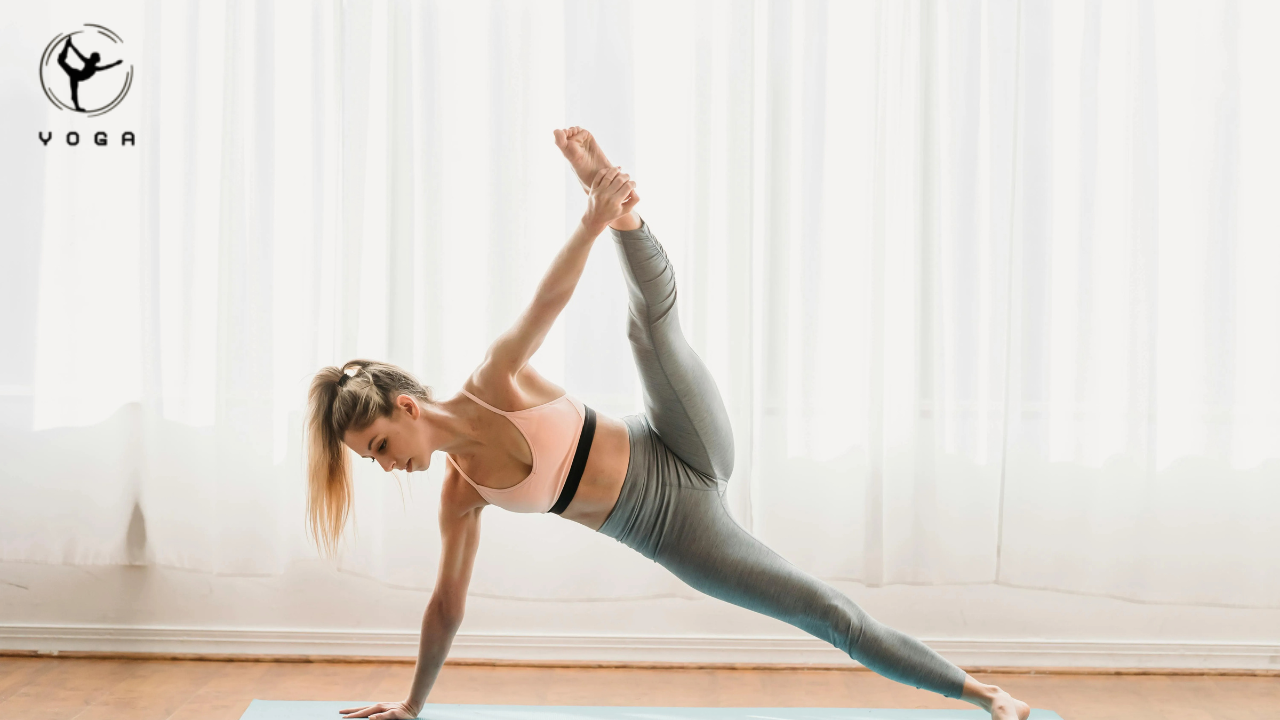
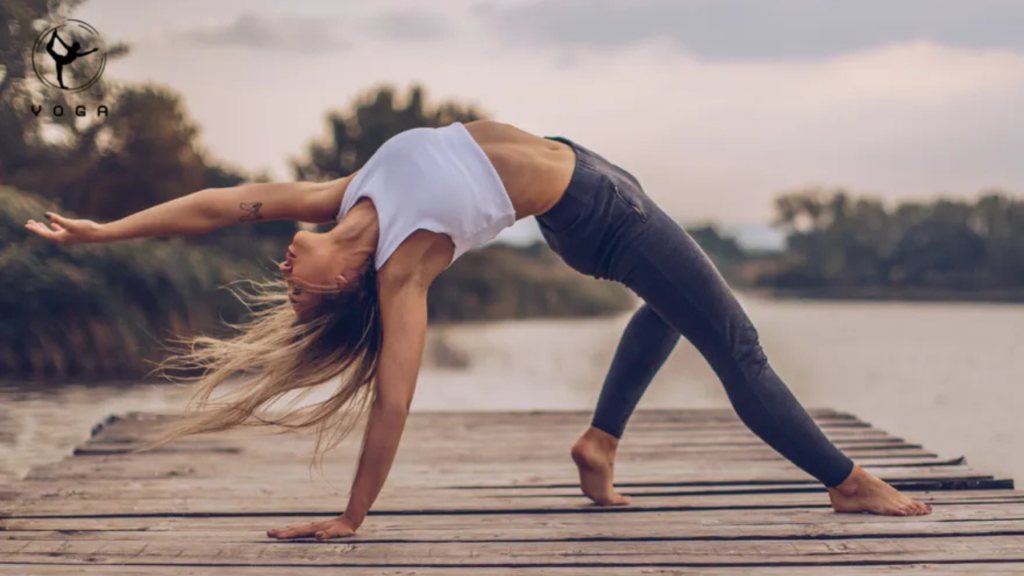
A person practicing discipline yoga in a calm morning setting, performing a focused yoga pose to improve self-control, balance, and mental clarity.
Caption (CTR-friendly):
Discipline yoga helps build focus, consistency, and inner strength through regular yoga practice, breathing techniques, and mindful movement.
