
Introduction
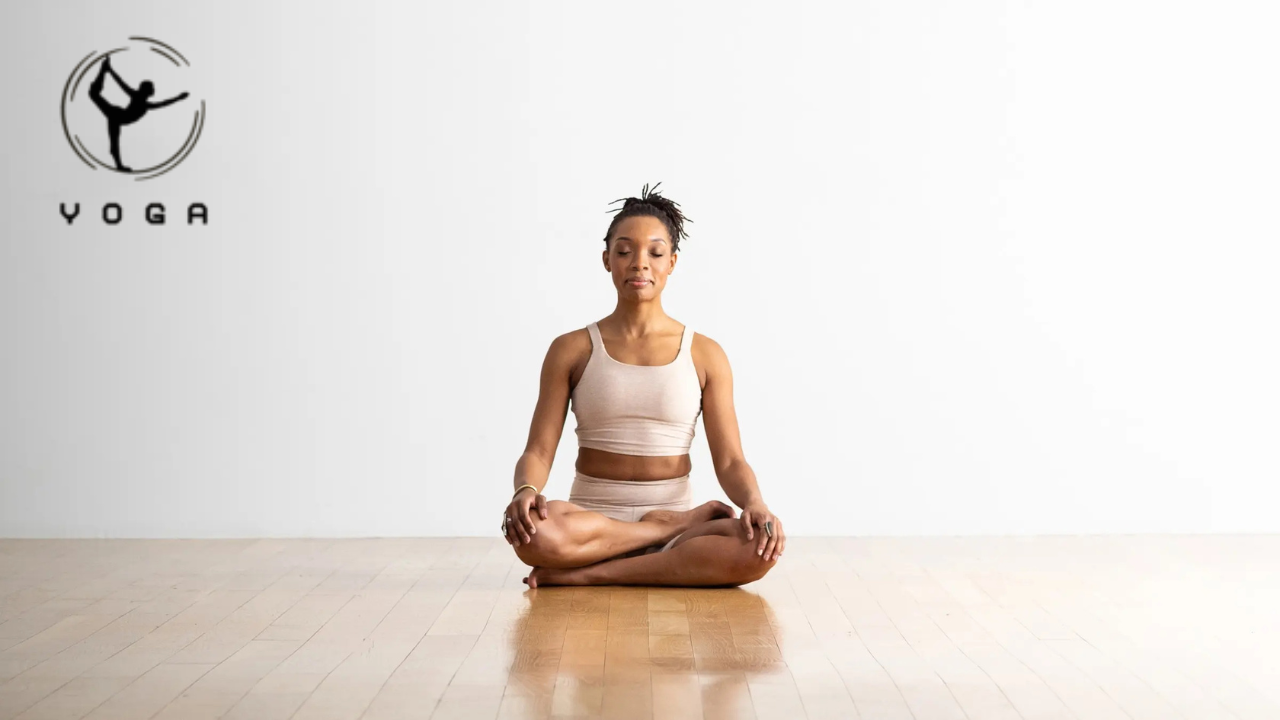
The Full Lotus Yoga Position, widely known as Padmasana, is one of the most iconic seated postures in traditional yoga systems. It is frequently depicted in meditation imagery, spiritual art, and ancient yogic scriptures as a symbol of deep inner stillness and elevated consciousness.
However, in modern movement science and yoga therapy, Padmasana is understood much more precisely than just a symbolic sitting posture.
It is a high-level hip mobility posture combined with neurological calmness training and joint alignment control.
Many beginners assume it is simply about “folding the legs,” but in reality, Full Lotus requires:
- Advanced hip external rotation capacity
- Knee joint protection awareness
- Ankle mobility balance
- Spinal axial alignment stability
- Nervous system regulation through breath control
When performed incorrectly, it can place unnecessary stress on the knees. When performed correctly, it becomes one of the most stable and profound meditation positions ever practiced.
This guide provides a deep NLP-optimized, biomechanically structured, and beginner-friendly explanation of Padmasana.
What is the Full Lotus Yoga Position (Padmasana)?
The Full Lotus Yoga Position (Padmasana) is a symmetrical seated posture where both feet are placed on opposite thighs while the spine remains upright and the hips are externally rotated.
It is primarily used in:
- Meditation (Dhyana practice)
- Pranayama (breathing regulation techniques)
- Yogic spiritual disciplines
- Mind-body focus training
Meaning of Padmasana
The term originates from Sanskrit:
- Padma = Lotus flower
- Asana = Posture or seat
So, Padmasana literally translates to “Lotus Seat”.
In yogic philosophy, the lotus flower symbolizes:
- Mental purity
- Emotional stability
- Spiritual awakening
- Conscious expansion
Anatomy of Full Lotus Yoga Position (Biomechanics Explained)
To truly understand Padmasana, we must break down the joint-level mechanics and muscular coordination involved.
Main Joint Actions
Full Lotus requires a precise combination of:
- Hip joint external rotation (primary movement driver)
- Deep knee flexion (passive positioning)
- Controlled ankle plantar flexion and inversion
- Upright spinal stacking with minimal collapse
Critical Safety Principle
The knee joint is NOT designed for rotational movement.
It functions primarily as a hinge system.
Therefore:
- Movement must originate from the hip joint
- Knee should only adapt passively
- Force applied at the knee increases injury risk
Correct vs Incorrect Movement Pattern
Correct pattern:
- Femur rotates in the hip socket
- Knee simply follows alignment naturally
Incorrect pattern:
- Forcing shin rotation from knee
- Pressing foot into position aggressively
- Ignoring hip restriction signals
Why Most Injuries Happen
Common biomechanical failure patterns include:
- Tight or undertrained hip external rotators
- Lack of warm-up preparation
- Ego-driven forcing into full position
- Misalignment between the pelvis and the femur
- Insufficient progressive mobility training
Is the Full Lotus Yoga Position Safe?
The answer is nuanced:
Yes, Full Lotus is safe only under correct structural conditions and gradual training progression.
Unsafe Conditions
Avoid attempting Padmasana if:
- Knee pain is present
- Hip rotation is restricted or stiff
- Sharp Discomfort appears during entry
- The body is cold and unprepared
- You are forcing symmetry prematurely
Safe Conditions
Full Lotus becomes safer when:
- Hip joints are gradually opened over time
- Movement is smooth and pain-free
- Warm-up is completed properly
- Both sides of the body are trained equally
- Progression is slow and controlled
Pain Awareness Rule
If you experience pain in:
- Knees
- Ankles
- Lower back
Immediately exit the posture.
Pain is not a progress indicator—it is a warning signal.
Step-by-Step Guide – How to Do Full Lotus Yoga Position
This section breaks down Padmasana into structured movement phases.
1 – Full Body Preparation (Warm-Up Phase)
Before attempting Lotus:
- Perform Butterfly Pose for hip opening
- Engage gentle hip circular rotations
- Do light forward folding movements
- Activate lower body circulation
Goal: Increase hip joint fluidity and reduce stiffness.
2 – First Leg Positioning
- Sit in a grounded upright position
- Bend the right knee carefully
- Place right foot onto left thigh
Key principle:
Movement must originate from the hip socket—not the knee.
3 – Second Leg Positioning
- Slowly bend left knee
- Guide left foot toward right thigh
- Maintain calm breathing throughout transition
The movement should feel gradual, not forced.
4 – Spinal Alignment Setup
Once legs are positioned:
- Lengthen the spine upward
- Relax shoulders downward
- Engage gentle core activation
Avoid collapsing the chest or rounding the back.
5 – Breath Stabilization & Hold
- Maintain slow nasal breathing
- Keep eyes softly closed or half-open
- Allow the nervous system to settle
The objective is internal stillness, not muscular strain.
Full Lotus vs Half Lotus Comparison
| Feature | Half Lotus | Full Lotus |
| Difficulty | Moderate | Advanced |
| Hip Flexibility | Medium | Very High |
| Knee Stress | Low | Higher if incorrect |
| Meditation Stability | Good | Very Strong |
| Suitability | Most practitioners | Experienced yogis |
Benefits of Full Lotus Yoga Position
Mental Benefits
- Enhances cognitive clarity
- Reduces mental overactivity
- Improves attention span
- Strengthens emotional regulation
Physical Benefits
- Improves hip joint mobility over time
- Strengthens postural endurance
- Supports spinal stacking alignment
- Develops lower body awareness
Nervous System Benefits
- Activates parasympathetic response
- Reduces stress hormone activity
- Encourages deep diaphragmatic breathing
- Calms sympathetic overactivation
Spiritual Benefits
- Enhances meditation depth
- Supports prolonged stillness practice
- Encourages discipline and patience
- Develops internal awareness focus
Muscles Used in Full Lotus Yoga Position
Primary Muscle Groups
- Hip external rotators (deep stabilizers)
- Gluteus maximus and medius
- Adductor group (inner thighs)
Supporting Muscles
- Core stabilizers (transverse abdominis)
- Erector spinae (spinal support muscles)
- Ankles and foot stabilizers
Variations of Lotus Pose
Easy Pose (Beginner Level)
- Simple cross-legged sitting
- Minimal joint stress
- Ideal for meditation beginners
Half Lotus (Intermediate Level)
- One foot placed on thigh
- One leg folded underneath
- Balanced flexibility requirement
Full Lotus (Advanced Level)
- Both feet placed on opposite thighs
- Requires strong hip external rotation
- Highest structural demand
Common Mistakes in Full Lotus Yoga Position
Forcing Knee Rotation
One of the most dangerous errors, often causing joint strain.
Skipping Warm-Up
Cold muscles significantly increase injury risk.
Poor Spinal Alignment
Leads to breathing restriction and fatigue.
Breath Holding
Reduces relaxation response and stability.
Rushing Progression
Flexibility adaptation requires time and consistency.
Safety Tips for Padmasana Practice
- Always prepare hips before practice
- Never force your knee into position
- Use props like cushions if needed
- Train both sides evenly
- Progress gradually over weeks or months
Contraindications
Avoid Full Lotus if you have:
- Knee ligament injuries
- Meniscus damage history
- Hip joint impingement
- Severe ankle restrictions
- Sciatic nerve irritation flare-ups
Instead, use Half Lotus or Easy Pose safely.
Best Preparatory Poses for Full Lotus Yoga Position
Butterfly Pose
- Opens inner thighs
- Improves hip flexibility
Pigeon Pose
- Deep hip release mechanism
- Helps reduce stiffness Accumulation
Forward Fold
- Lengthens posterior chain muscles
- Supports spinal mobility
Ankle Mobility Drills
- Improves joint adaptability
- Reduces pressure during sitting
How Long Should You Hold Full Lotus?
Beginners
- 30–60 seconds
- 3–4 sessions per week
Intermediate
- 2–5 minutes
- 4–5 times weekly
Advanced
- 10+ minutes
- Suitable for meditation practitioners
Science Behind Full Lotus Yoga Position
Brain Activity Effects
- Encourages alpha wave dominance
- Reduces cognitive noise
- Enhances mental clarity
Respiratory Efficiency
- Improves diaphragm expansion
- Supports a slow breathing rhythm
Energy Stability Concept
Traditional yoga describes:
- Stabilized internal energy flow
- Reduced mental fluctuation
- Enhanced awareness continuity
Home Practice Routine
- Butterfly Pose – 2 minutes
- Pigeon Pose – 1 minute each side
- Forward Fold – 2 minutes
- Easy Pose breathing – 3 minutes
- Half Lotus practice – 1–2 minutes
FAQs
No. Many practitioners achieve deep meditation in Easy Pose without requiring Full Lotus.
Pain usually indicates hip stiffness or incorrect force applied to the knee joint instead of the hip.
Beginners should first master Easy Pose and Half Lotus before attempting Full Lotus progression.
It varies widely. Some individuals may need months, while others require years depending on hip mobility.
Not necessarily. Half Lotus is often safer and equally effective for meditation stability.
Conclusion
The Full Lotus Yoga Position (Padmasana) is a deeply powerful posture when approached with awareness, patience, and correct biomechanical understanding.
It is not a posture to be forced—it is a posture to be developed.
The true essence of Padmasana lies in:
- Controlled progression
- Joint safety awareness
- Mindful breathing
- Consistent mobility practice
Ultimately, the goal is not achieving the shape of Lotus—but achieving the stillness of mind it represents.
