Iyengar Yoga: The Ultimate Guide to Precision, Alignment & Benefits (2026)
And did you ever leave a yoga lesson and feel unsure about whether or not you did a posture correctly or about whether or not you Might Have Been Straining? You are not alone. This is something we all experience at some point, especially when we are introduced to fast-paced yoga, where it is more about movement than mastery.
Here comes Iyengar Yoga.
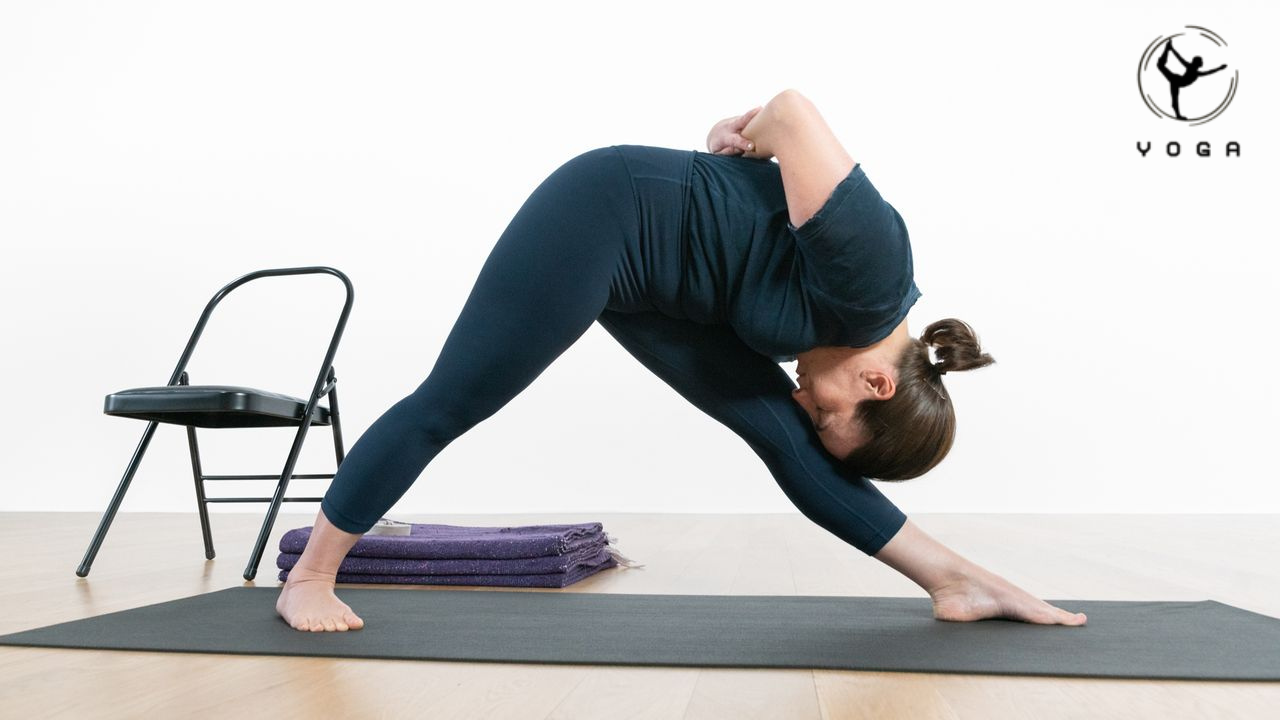
Rather than moving through lines, has a greater focus on accuracy, correctness of the body, and utmost awareness of the body. It not only tells you what to do, but it also tells you how every movement must be accomplished with intent and accuracy.
It is a practice that has transformed the lives of millions of people the world over and was developed by B. K. S. Iyengar. Iyengar Yoga is a systematic and all-encompassing approach to health, whose practices and techniques benefit posture and flexibility, injury restoration, and a clearer mind.
You have no idea about yoga, you ache, or you desire a process that is more considerate and technical; this in-depth tutorial will strip everything down so that you may know all you must know.
What Is Iyengar Yoga?
Iyengar Yoga is an advanced practice of Hatha. That is based on accuracy, discipline, and conscious movement. It is about learning the basic components of each position instead of doing a large number of poses in a short period of time.
This approach focuses on:
Exact body alignment
Breathing exercises (pranayama)
Extended pose duration
Provisional use of facilitating devices.
Rather than vibing quickly through poses, you can have fewer of them and improve your practice to establish a greater connection with your body.
Key Characteristics of Iyengar Yoga
Iyengar Yoga stands out because of its structured and detail-oriented methodology.
Slow-paced and systematic
Highly descriptive verbal instructions
Strong emphasis on posture correction
Accessible to all experience levels
These characteristics make it one of the most approachable and safest yoga systems globally.
History of Iyengar Yoga
The origins of Iyengar Yoga trace back to the early 20th century in India. It was developed by B. K. S. Iyengar, who studied under his guru, Tirumalai Krishnamacharya, widely recognized as a pioneer of modern.
Major Milestones
- Inspired by ancient scriptures such as the Yoga Sutras of Patanjali
- Systematized into a precise teaching methodology
- Popularized globally through the book Light on Yoga
- Introduced props to make yoga inclusive
Today, Iyengar Yoga is practiced in more than 70 countries and is frequently used in therapeutic and rehabilitation settings.
Core Principles of Iyengar Yoga
1. Alignment First
Alignment is the foundation of Iyengar Yoga. Every posture is performed with careful attention to structural positioning.
This includes:
- Correct joint alignment
- Balanced muscular engagement
- Upright and stable posture
Proper alignment minimizes injury risk and enhances functional movement.
2. Use of Props
One of the defining features of Iyengar Yoga is the use of props to support and refine poses.
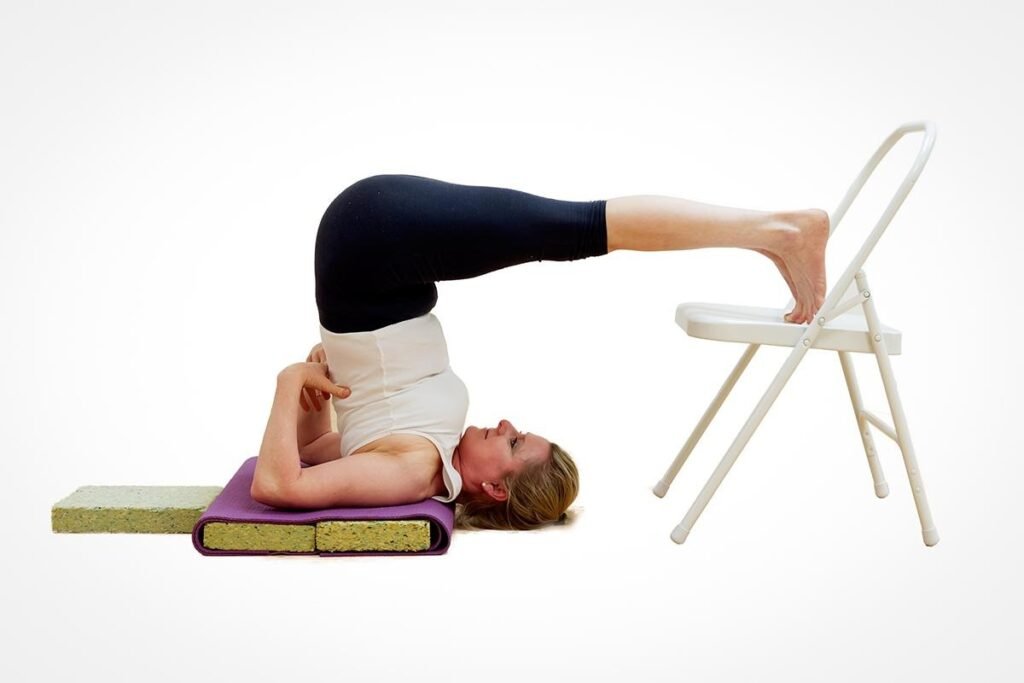
Common props include:
- Blocks
- Straps (belts)
- Chairs
- Bolsters
- Blankets
Why Props Matter
Assist beginners in achieving correct alignment
Provide support for stiff or injured bodies
Enable deeper exploration of postures
Props democratize yoga, making it accessible regardless of flexibility or strength.
3. Intelligent Sequencing
Iyengar Yoga follows a logical progression of poses.
- Each posture prepares the body for the next
- Strength and flexibility develop gradually
- Overexertion is avoided
This systematic sequencing ensures a safe and progressive learning experience.
4. Holding Poses
Unlike dynamic yoga styles, Iyengar Yoga encourages holding poses for longer durations.
Benefits include:
- Increased muscular endurance
- Enhanced neuromuscular awareness
- Deeper engagement with the posture
You don’t just perform a pose—you study and internalize it.
Benefits of Iyengar Yoga
Physical Benefits
Iyengar Yoga delivers a wide range of physiological advantages:
- Improves posture and structural alignment
- Enhances strength and flexibility
- Stabilizes joints and connective tissues
- Corrects muscular imbalances
Especially beneficial for individuals with sedentary lifestyles or desk jobs.
Mental Benefits
Beyond physical improvements, Iyengar Yoga supports cognitive and emotional well-being.
- Enhances concentration and focus
- Reduces stress and anxiety
- Promotes mindfulness and clarity
It acts as a form of moving meditation.
Therapeutic Benefits
Iyengar Yoga is widely respected in the field of yoga therapy.
It may help manage:
- Chronic back pain
- Knee discomfort
- Neck stiffness
- Post-injury rehabilitation
Many healthcare professionals recommend it as a complementary therapy.
The Science Behind Iyengar Yoga
Iyengar Yoga is often described as “applied anatomy in motion” due to its scientific foundation.
Key Concepts
1. Muscle Activation
Targets deep stabilizing muscles instead of only superficial ones.
2. Alignment & Biomechanics
Enhances efficiency in everyday movements.
3. Nervous System Regulation
Activates the parasympathetic system, promoting relaxation.
4. Proprioception
Improves awareness of body positioning and spatial orientation.
This combination makes Iyengar Yoga both intelligent and transformative.
Step-by-Step: How Iyengar Yoga Works
Beginner Practice Flow
A typical beginner session includes:
- Starting with foundational standing poses
- Using props for assistance
- Focusing on alignment and breathing
- Holding poses for 20–60 seconds
- Incorporating rest between sequences
Example Beginner Sequence
| Step | Pose | Purpose |
| 1 | Tadasana | Postural awareness |
| 2 | Trikonasana | Stretch + balance |
| 3 | Downward Dog | Strength + flexibility |
| 4 | Child’s Pose | Relaxation |
Common Iyengar Yoga Poses
1. Tadasana (Mountain Pose)
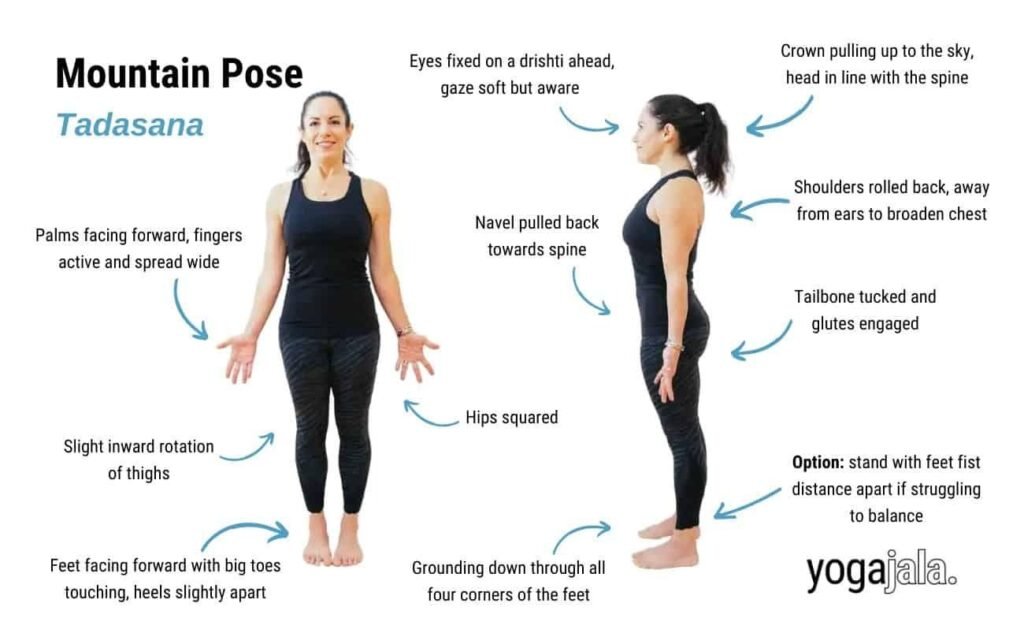
- Enhances posture
- Builds body awareness
Serves as the foundation for all standing poses.
2. Trikonasana (Triangle Pose)
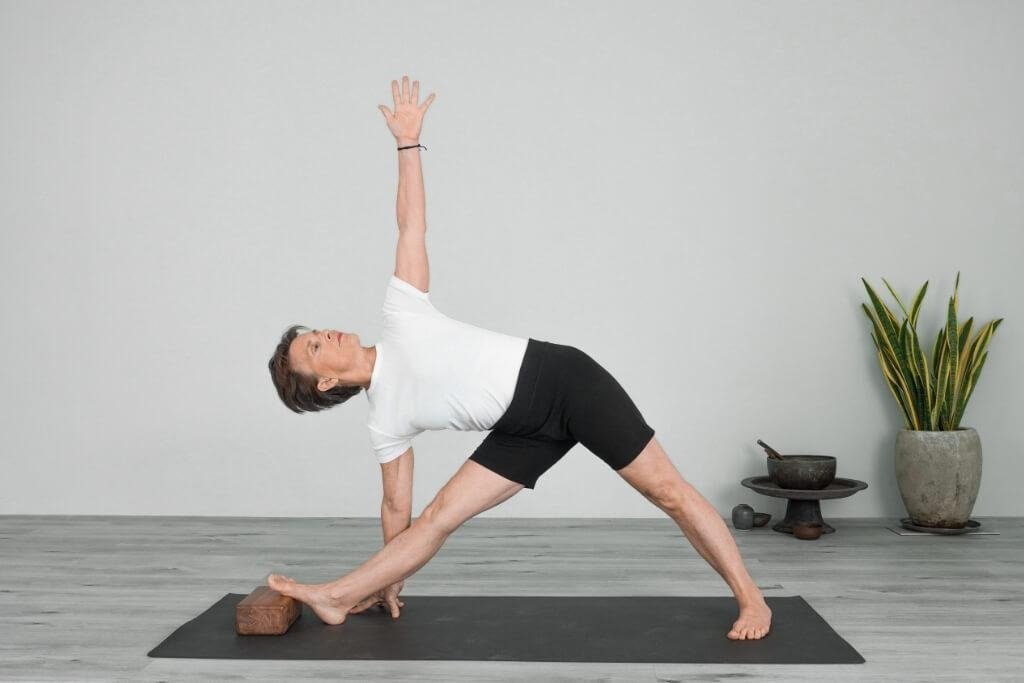
- Stretches the legs and spine
- Improves balance and coordination
3. Adho Mukha Svanasana
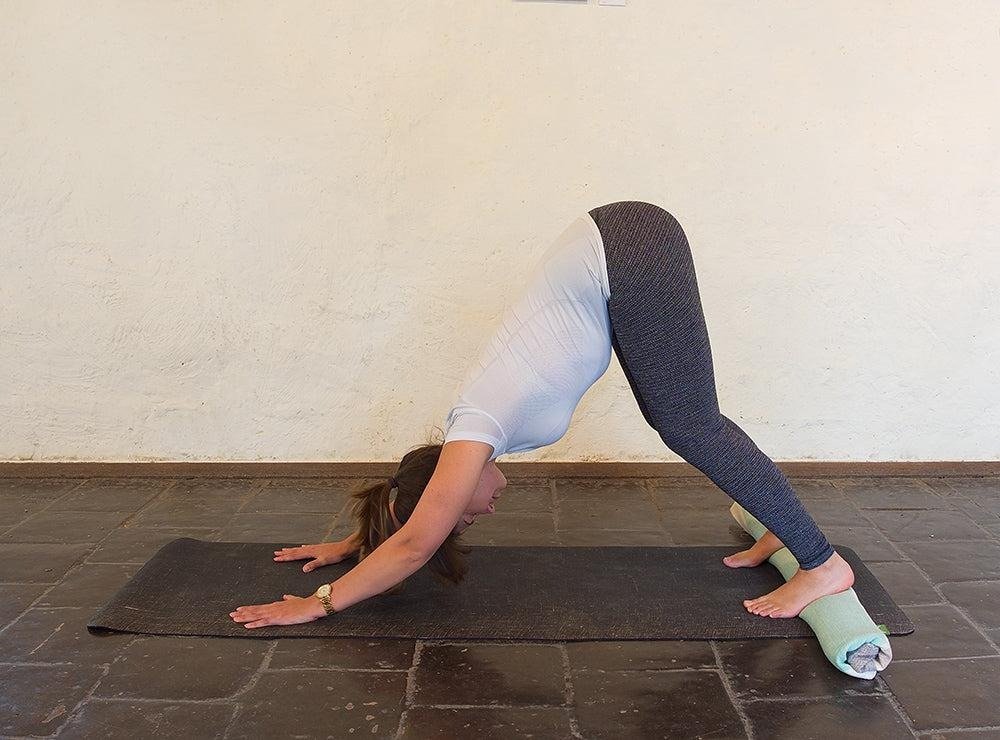
- Strengthens arms and shoulders
- Lengthens the hamstrings and spine
4. Sarvangasana (Shoulder Stand)
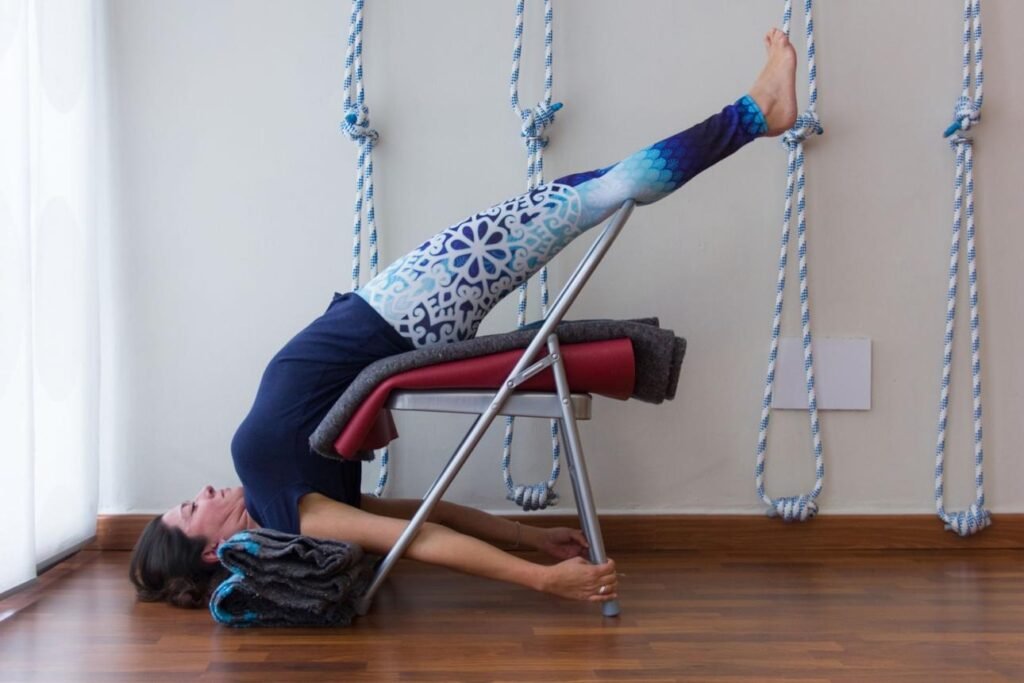
- Improves circulation
- Calms the nervous system
Breathing Technique (Pranayama)
Breathing is an integral component of Iyengar Yoga.
Key Techniques
- Slow and steady inhalation/exhalation
- Nasal Breathing for efficiency
- Controlled rhythmic patterns
Proper breathing enhances oxygen delivery and mental clarity.
Muscles Targeted
Iyengar Yoga engages multiple muscle groups:
- Core stabilizers
- Back muscles
- Leg muscles
- Shoulder girdle
It builds functional, sustainable strength rather than superficial muscle mass.
Variations for All Levels
Beginner
- Use props extensively
- Practice foundational poses
Intermediate
- Reduce reliance on props
- Increase hold duration
Advanced
- Explore inversions
- Perform complex sequences
Common Mistakes to Avoid
Ignoring alignment
Moving too quickly
Avoiding props
Overstretching muscles
Precision is more important than flexibility in Iyengar Yoga.
Safety Tips
- Always warm up before practice
- Use props correctly
- Listen to your body signals
- Learn under guidance when possible
Contraindications
Modify or avoid certain poses if you have:
- Severe injuries
- High blood pressure (especially inversions)
- Recent surgical procedures
Consult a professional before starting.
Iyengar Yoga for Beginners
What to Expect
- Slow and deliberate sessions
- Detailed instructions
- Use of supportive props
- Individual corrections
Beginner Tips
Focus on learning, not perfection
Be consistent and patient
Practice regularly
This method is ideal for building a strong foundation.
Duration & Frequency
- Beginners: 2–3 sessions per week
- Intermediate: 3–5 sessions weekly
- Session duration: 45–90 minutes
Iyengar Yoga vs Other Yoga Styles
| Feature | Iyengar Yoga | Vinyasa Yoga | Hatha Yoga |
| Speed | Slow | Fast | Moderate |
| Focus | Alignment | Flow | Basics |
| Props | Extensive | Rare | Minimal |
| Holding | Long | Short | Medium |
| Best For | Beginners + Therapy | Cardio | General fitness |
Pros & Cons
Pros
- Extremely safe
- Beginner-friendly
- Excellent for injury recovery
- Improves posture
Cons
- Slower pace
- Limited cardiovascular intensity
- Requires patience and discipline
Diet Tips for Iyengar Yoga
- Eat light before sessions
- Stay adequately hydrated
- Consume whole, nutritious foods
- Avoid heavy meals before practice
Home Practice Tips
- Use a quality yoga mat
- Keep essential props nearby
- Follow guided sessions if needed
- Practice in a quiet environment
Why Iyengar Yoga Is Unique
What truly sets Iyengar Yoga apart?
Precision-based methodology
Scientific and anatomical approach
Deep learning experience
Strong therapeutic applications
It is often described as “meditation through movement.”
FAQs
Yes, it is one of the safest and most structured yoga styles, perfect for beginners.
It focuses on alignment, props, and holding poses instead of fast movements.
Yes, it is widely used for posture correction and rehabilitation.
2–4 times per week is ideal.
No. Props make it easy even for beginners.
Conclusion
Iyengar yoga is no longer just a workout program, but a comprehensive program that aims at bringing balance, energy, and Consciousness to The Body and psyche.
It allows you to:
Move confidently and safely.
Build sustainable strength
Enhance the posture and mobility.
Minimize pain and stress.
Iyengar Yoga is one of the most effective styles of yoga practice, which is structured, intelligent, and powerful to use today.
