
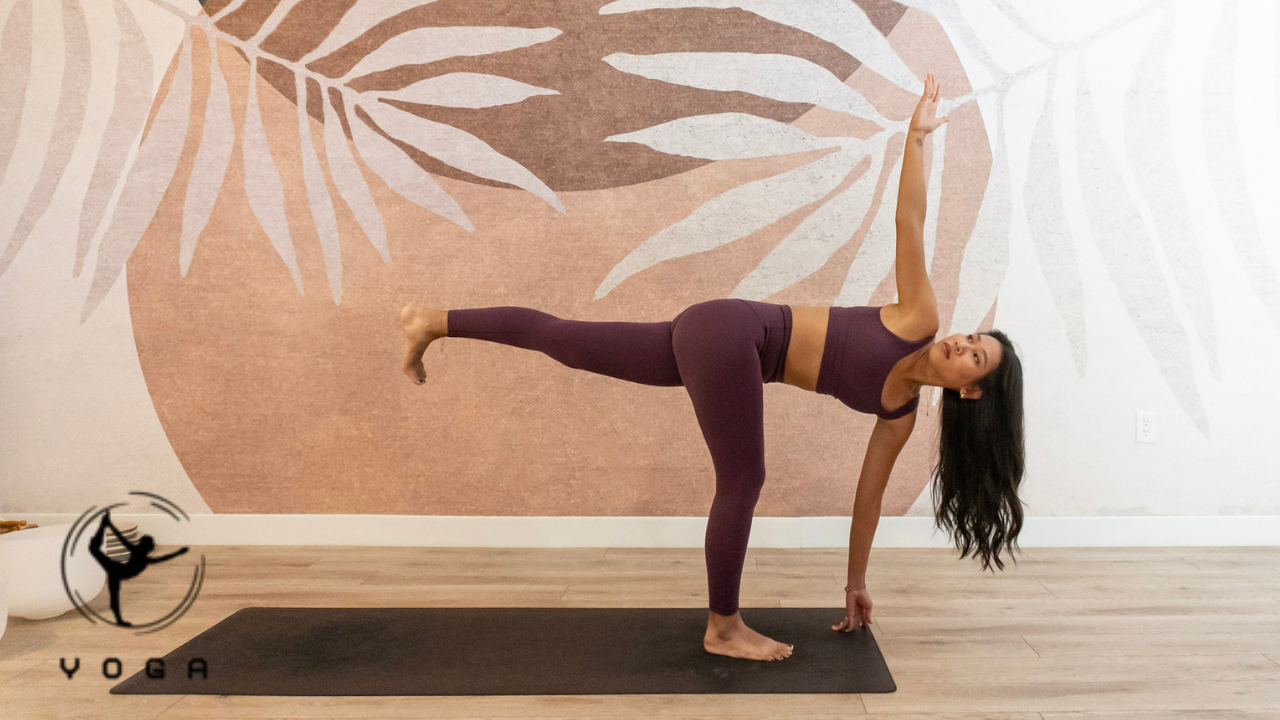
Introduction
If you’re serious about yoga—whether for personal transformation or becoming a professional instructor—200-hour yoga teacher training is your essential starting point.
This certification is not just about learning poses. It’s a deep journey into movement, breath, mindfulness, anatomy, and teaching skills. Yet, most online guides barely scratch the surface.
In this complete 2026 guide, you’ll discover:
- What you actually learn inside a YTT program
- Real costs, schedules, and outcomes
- Career Opportunities After Certification
- How to choose the best training (without wasting money)
Whether you’re a beginner or an aspiring instructor, this guide gives you everything competitors miss.
What is a 200 Hour Yoga Teacher Training?
200-hour yoga teacher training (YTT) is the globally recognized foundational certification required to become a yoga instructor.
It is:
- The minimum standard for teaching yoga professionally
- Recognized by Yoga Alliance
- Required to become a Registered Yoga Teacher (RYT-200)
In simple terms:
It’s a structured program that combines:
- Physical practice (asana)
- Breathwork (pranayama)
- Meditation
- Anatomy & philosophy
- Teaching skills
Featured Snippet Answer:
A 200 hour yoga teacher training is a foundational certification program that teaches yoga practice, philosophy, anatomy, and teaching skills required to become a certified instructor.
Benefits of 200 Hour Yoga Teacher Training
Physical Benefits
- Improved flexibility and strength
- Better posture and body awareness
- Reduced risk of injury through alignment knowledge
Mental Benefits
- Increased focus and clarity
- Reduced stress and anxiety
- Improved mindfulness
Emotional Benefits
- Stronger self-awareness
- Emotional balance
- Confidence building
Professional Benefits
- Ability to teach yoga classes
- Opportunity to build a wellness career
- Global recognition through certification
Step-by-Step: How 200 Hour Yoga Teacher Training Works
1: Choose Your Training Format
- Online
- In-person
- Hybrid
2: Enroll in a Certified School
Preferably Yoga Alliance accredited
3: Complete 200 Hours
Includes:
- Classes
- Practice teaching
- Assignments
4: Pass Assessments
- Teaching demo
- Written or practical exams
Step 5: Get Certified
Become RYT-200
What Does “200 Hours” Actually Mean?
The 200 hours are divided into:
| Category | Hours |
| Techniques & Practice | 75 |
| Anatomy & Physiology | 30 |
| Philosophy & Ethics | 30 |
| Teaching Methodology | 50 |
| Electives | 15 |
These include:
- Contact hours (live sessions)
- Practice teaching
- Self-study
Complete Curriculum Breakdown
1. Asana & Alignment
- 50+ yoga poses
- Hatha & Vinyasa styles
- Proper alignment techniques
- Injury prevention
2. Anatomy & Physiology
- Muscles and joints
- Movement mechanics
- Nervous system basics
3. Pranayama (Breathing Techniques)
- Ujjayi breath
- Nadi Shodhana
- Kapalbhati
4. Meditation & Mindfulness
- Guided meditation
- Breath awareness
- Visualization
5. Yoga Philosophy
- Eight limbs of yoga
- Yoga Sutras
- Ethical principles
6. Teaching Methodology
- Class sequencing
- Cueing techniques
- Hands-on adjustments
- Student engagement
This is the most important part—it transforms you into a teacher.
Types of 200 Hour Yoga Training
Online Training
Pros:
- Flexible schedule
- Affordable
Cons:
- Less hands-on experience
In-Person Training
Pros:
- Immersive experience
- Better practice teaching
- Strong community
Cons:
- More expensive
Intensive vs Part-Time
| Type | Duration | Best For |
| Intensive | 3–4 weeks | Fast learners |
| Part-time | 3–6 months | Busy individuals |
Cost of 200 Hour Yoga Teacher Training
Price Breakdown
| Type | Cost |
| Online | $200–$1,000 |
| Local Studio | $1,500–$3,000 |
| Destination Training | $1,200–$3,500 |
Factors Affecting Cost:
- Location
- Accommodation
- Teacher experience
- Certification
Best Places to Do Yoga Teacher Training
Top Locations
- India (traditional learning)
- Bali (luxury retreats)
- Thailand (budget-friendly)
- Europe/USA (local certification)
Daily Schedule Example
Typical Day in YTT:
- 6:00 AM – Meditation
- 7:30 AM – Asana practice
- 10:00 AM – Anatomy/Philosophy
- 2:00 PM – Teaching practice
- 5:00 PM – Evening yoga
This routine builds discipline and consistency.
Proper Form & Alignment
- Maintain neutral spine
- Engage core muscles
- Avoid overextension
- Use props when needed
Breathing Technique
- Inhale during expansion
- Exhale during contraction
- Use slow, controlled breathing
Muscles Targeted
- Core muscles
- Hamstrings
- Glutes
- Back muscles
- Shoulders
Variations in Training
Beginner
- Basic poses
- Simple sequences
Intermediate
- Flow sequences
- Balance work
Advanced
- Advanced postures
- Teaching specialization
Duration & Frequency
- Intensive: 3–4 weeks
- Part-time: 3–6 months
Recommended practice:
- Daily yoga practice
- Weekly teaching practice
Common Mistakes to Avoid
- Choosing the cheapest course only
- Ignoring accreditation
- Not checking reviews
- Skipping teaching practice
Safety Tips
- Listen to your body
- Avoid pushing too hard
- Use proper alignment
- Stay hydrated
Contraindications
Consult a doctor if you have:
- Injuries
- Chronic pain
- Heart conditions
Tips for Beginners
- Start with basic flexibility
- Practice regularly before joining
- Keep an open mind
- Focus on learning, not perfection
Science & Philosophy Behind Yoga Training
Yoga combines:
- Physical movement
- Breath control
- Nervous system regulation
Scientific benefits include:
- Reduced cortisol (stress hormone)
- Improved flexibility
- Better brain function
Diet Tips During Training
- Eat light, balanced meals
- Stay hydrated
- Avoid heavy processed foods
Home Practice Suggestions
- Daily 20–30 minute yoga
- Combine stretching + breathing
- Practice meditation
200 vs 300 Hour Yoga Training
| Feature | 200 Hour | 300 Hour |
| Level | Beginner | Advanced |
| Focus | Foundation | Specialization |
| Outcome | RYT-200 | RYT-500 |
Pros & Cons
Pros
- Professional certification
- Deep personal growth
- Career opportunities
Cons
- Time commitment
- Cost investment
- Physically demanding
Pro Tips
- Choose experienced teachers
- Prioritize teaching practice
- Build your personal yoga style
- Start teaching early (even free classes)
Career Opportunities After Certification
- Yoga studio instructor
- Online yoga teacher
- Private coach
- Retreat facilitator
- Wellness consultant
FAQs
Yes, it provides foundational skills for both teaching and personal growth.
Yes, no advanced experience is required.
3–6 months or 3–4 weeks (intensive).
Yes, you can become an RYT-200 and start teaching.
Varies widely ($15–$100 per class, depending on location).
Conclusion
A 200-hour yoga teacher training is more than a certification—it’s a life-changing journey that builds strength, awareness, confidence, and career opportunities.
If you choose the right program, commit fully, and Practice Consistently, it can transform both your personal life and professional path.
Ready to begin your journey? Explore more expert guides on theyogafitness.com and take your first step toward becoming a certified yoga teacher.
Disclaimer
This content is for informational purposes only. Consult a qualified healthcare professional before starting any exercise or training program.
