Introduction
Modern yoga has changed dramatically over the last decade.
Many classes now focus heavily on calorie burn, athletic performance, and fast-paced movement. While those styles can improve fitness, they often overlook yoga’s deeper purpose — inner awareness, breath connection, mindfulness, and spiritual balance.
That is exactly where Dharma Yoga stands apart.
Created by legendary yoga master Sri Dharma Mittra, Dharma Yoga blends physical postures, breathing exercises, meditation, relaxation, self-discipline, and compassion into one complete practice. Instead of rushing through poses, students learn how to connect movement with awareness and conscious breathing.
For many practitioners, it becomes more than exercise. It becomes a powerful tool for stress reduction, emotional healing, mental clarity, and spiritual growth.
Whether you are a beginner searching for a calm and meaningful yoga style or an experienced yogi looking to deepen your practice, this complete guide explains everything you need to know about Dharma Yoga in 2026.
What Is Dharma Yoga?
Featured Snippet Answer
Dharma Yoga is a spiritually based yoga system created by Sri Dharma Mittra that combines Hatha-Raja Yoga, breathwork, meditation, mindfulness, ethical living, and physical postures to promote balance between the body, mind, and spirit.
Dharma Yoga originated in New York during the 1960s when Sri Dharma Mittra began teaching traditional yogic practices rooted in ancient yoga philosophy.
Unlike many modern systems that focus mostly on flexibility or physical fitness, Dharma Yoga emphasizes:
- Conscious breathing
- Self-awareness
- Meditation
- Compassion
- Spiritual development
- Nervous system balance
- Mindful movement
The practice combines traditional yoga methods into a structured but deeply personal experience.
A session may include:
- Gentle warm-ups
- Breath control exercises (pranayama)
- Yoga postures (asanas)
- Chanting or mantras
- Guided meditation
- Deep relaxation
The goal is not perfection.
The goal is transformation.
The History of Dharma Yoga
To understand properly, it helps to understand its founder.
Who Is Sri Dharma Mittra?
Sri Dharma Mittra is one of the most respected teachers in the world. Born in Brazil, he later moved to New York City, where he dedicated his life to sharing traditional yoga teachings.
He became internationally famous for creating the iconic “Master Yoga Chart of 908 Postures,” a legendary poster displayed in yoga studios worldwide.
However, his true influence goes far beyond advanced poses.
His teachings focus on:
- Kindness
- Compassion
- Discipline
- Vegetarian living
- Meditation
- Breath awareness
- Service to others
One of his most famous teachings is:
“Be receptive.”
That simple philosophy reflects the entire system.
Instead of forcing progress, students learn patience, awareness, humility, and inner stillness.
Dharma Yoga Philosophy
What Does “Dharma” Mean?
The word “Dharma” has deep spiritual significance in yogic philosophy.
It can refer to:
- Life purpose
- Truth
- Higher duty
- Universal order
- Conscious living
Dharma Yoga encourages practitioners to discover their authentic selves while living with awareness and compassion.
Unlike commercial fitness yoga, Dharma Yoga reconnects students with yoga’s original spiritual roots.
Core Principles of Dharma Yoga
1. Compassion
Students learn to treat themselves and others with kindness.
2. Self-Discipline
Consistency builds inner awareness and emotional balance.
3. Breath Awareness
Conscious breathing calms the nervous system and improves focus.
4. Meditation
Meditation trains the mind toward stillness and clarity.
5. Service
Helping others is viewed as part of spiritual growth.
6. Non-Harming
Dharma Yoga strongly promotes mindful living and compassion toward all beings.
What Happens in a Dharma Yoga Class?
Many beginners feel nervous before attending their first class.
Fortunately, Classes are often welcoming, calming, and beginner-friendly.
Typical Dharma Yoga Class Structure
| Practice Element | Purpose |
| Gentle Warm-Up | Loosens joints and prepares the body |
| Pranayama | Balances energy and breathing |
| Asana Practice | Builds flexibility, strength, and awareness |
| Meditation | Improves mindfulness and concentration |
| Chanting | Creates focus and emotional grounding |
| Relaxation | Helps calm the nervous system |
Unlike high-intensity fitness yoga, classes usually feel slower, quieter, and more meditative.
The atmosphere often includes:
- Soft lighting
- Calm music
- Breath-focused movement
- Spiritual teachings
- Supportive community energy
Many students describe feeling emotionally lighter after class.
Dharma Yoga Benefits
One reason continues growing worldwide is its holistic approach.
It supports both physical and mental well-being.
Physical Benefits of Dharma Yoga
Improved Flexibility
Slow stretching helps open tight muscles and joints safely over time.
Better Posture
Alignment-focused movement improves spinal health and posture awareness.
Increased Strength
Poses strengthen:
- Core muscles
- Stabilizers
- Legs
- Shoulders
- Back muscles
Better Breathing Capacity
Pranayama techniques train the lungs and improve oxygen flow.
Improved Balance
Balancing poses strengthen coordination and body awareness.
Nervous System Regulation
Slow breathing helps activate the parasympathetic nervous system, which supports relaxation and recovery.
Mental Benefits of Dharma Yoga
Reduced Stress
Meditation and breathwork calm the brain and reduce tension.
Improved Focus
Mindful movement trains concentration and awareness.
Better Sleep
Relaxation techniques may improve sleep quality.
Emotional Stability
Practitioners often report reduced emotional overwhelm and anxiety.
Mental Clarity
Dharma Yoga encourages mindfulness and conscious living.
Emotional & Spiritual Benefits
This is where Dharma Yoga becomes truly unique.
Many practitioners experience:
- Emotional healing
- Greater self-awareness
- Increased compassion
- Stronger life purpose
- Spiritual connection
- Inner peace
- Reduced burnout
Unlike purely physical yoga styles, it often creates profound internal transformation.
Is Dharma Yoga Good for Beginners?
Featured Snippet Answer
Yes, Dharma Yoga is excellent for beginners because it emphasizes mindfulness, slow progression, breath awareness, and supportive learning rather than aggressive physical performance.
Many newcomers assume it is only for advanced yogis because of its spiritual reputation.
In reality, beginner classes are usually accessible and welcoming.
Why Beginners Often Love Dharma Yoga
- Slower pace
- Calm atmosphere
- Breath-centered movement
- Less competition
- Focus on awareness instead of perfection
- Meditation support for stress relief
However, beginners should avoid advanced inversion-focused classes immediately.
Start with:
- Level 1 Dharma Yoga
- Gentle Dharma classes
- Beginner meditation sessions
- Breathwork-focused practices
Is Dharma Yoga Hard?
The answer depends on the class level.
Beginner Classes
Usually gentle and manageable.
Intermediate Classes
May include:
- Longer holds
- Deeper flexibility work
- Strong balancing poses
Advanced Classes
Can involve:
- Arm balances
- Headstands
- Backbends
- Advanced inversions
The important thing to remember:
Dharma Yoga is not about pushing yourself aggressively.
Progress happens gradually.
Essential Dharma Yoga Poses
Dharma Yoga includes both foundational and advanced postures.
Common Dharma Yoga Poses
Headstand (Sirsasana)
Builds concentration, balance, and upper-body strength.
Shoulder Stand
Supports circulation and focus.
Fish Pose (Matsyasana)
Opens the chest and improves posture.
Bow Pose (Dhanurasana)
Strengthens the back and improves flexibility.
Wheel Pose (Chakrasana)
Develops spinal mobility and energy.
Lotus Pose
Used for meditation and breathwork.
Seated Meditation Postures
Encourage stillness and mindfulness.
Step-by-Step Beginner Dharma Yoga Practice
Simple Beginner Sequence
Step 1: Center Yourself
Sit quietly for 1–2 minutes.
Focus on natural breathing.
Step 2: Gentle Warm-Up
Perform:
- Neck rolls
- Shoulder circles
- Cat-Cow stretches
- Hip mobility movements
Step 3: Begin Breathwork
Practice slow belly breathing.
Inhale through the nose.
Exhale slowly.
Step 4: Move Through Basic Poses
Start with:
- Mountain Pose
- Child’s Pose
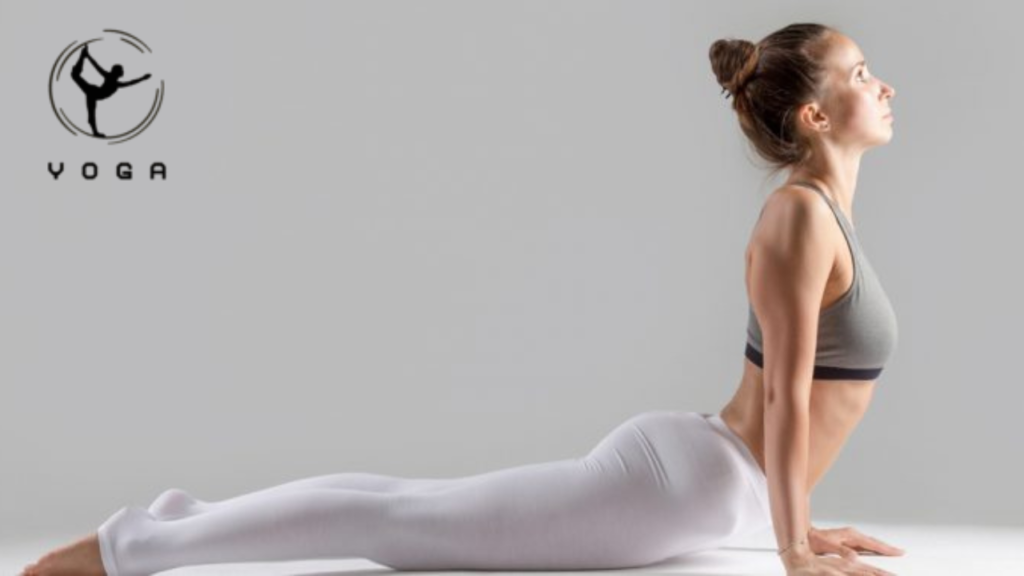
- Cobra Pose
- Downward Dog
- Seated Forward Fold
Step 5: Meditation
Sit quietly for several minutes.
Observe your breath.
Step 6: Final Relaxation
Lie in Savasana for 5–10 minutes.
Allow the body to relax completely.
Proper Form & Alignment in Dharma Yoga
Alignment matters because it helps reduce injury risk and improves body awareness.
Important Alignment Principles
Keep the Spine Long
Avoid collapsing through the lower back.
Relax the Shoulders
Do not tense the neck unnecessarily.
Engage the Core
Gentle core activation protects the spine.
Move With the Breath
Never rush movements.
Avoid Forcing Flexibility
Flexibility develops gradually.
Prioritizes awareness over extreme stretching.
Dharma Yoga Breathing Techniques
Featured Snippet Answer
Dharma Yoga breathing techniques include pranayama practices such as Alternate Nostril Breathing, Ujjayi breathing, Kapalabhati, and deep diaphragmatic breathing to improve focus, calmness, and energy balance.
Breathing is one of the most important parts of Dharma Yoga.
Popular Pranayama Techniques
Alternate Nostril Breathing (Nadi Shodhana)
Balances mental and emotional energy.
Ujjayi Breathing
Creates calm concentration during movement.
Kapalabhati
Stimulates focus and energizes the body.
Deep Belly Breathing
Activates relaxation responses in the nervous system.
Three-Part Breath
Improves lung awareness and breathing efficiency.
Many students notice reduced stress after only a few sessions of breathwork practice.
Meditation in Dharma Yoga
Meditation is not optional in traditional.
It is considered essential.
Common Meditation Practices
- Breath awareness meditation
- Silent mindfulness
- Mantra repetition
- Visualization
- Loving-kindness meditation
Benefits may include:
- Reduced anxiety
- Improved focus
- Emotional regulation
- Better sleep
- Increased self-awareness
Muscles Targeted in Dharma Yoga
Dharma Yoga strengthens the entire body gradually.
Primary Muscles Worked
| Area | Muscles Targeted |
| Core | Abdominals, obliques |
| Upper Body | Shoulders, chest, arms |
| Lower Body | Glutes, quads, hamstrings |
| Back | Spinal stabilizers |
| Hips | Hip flexors and rotators |
| Legs | Calves and stabilizers |
Because movements are controlled, smaller stabilizing muscles also become stronger.
Dharma Yoga Variations
Beginner Level
Focuses on:
- Basic poses
- Breathing
- Relaxation
- Simple meditation
Intermediate Level
Introduces:
- Stronger balancing poses
- Longer holds
- Deeper flexibility
Advanced Level
May include:
- Inversions
- Arm balances
- Advanced backbends
- Complex pranayama practices
Dharma Yoga vs Hatha Yoga
| Feature | Dharma Yoga | Hatha Yoga |
| Focus | Spiritual + physical | Mostly physical |
| Breathwork | Extensive | Moderate |
| Meditation | Major focus | Sometimes included |
| Philosophy | Deeply integrated | Varies by teacher |
| Energy Work | Important | Limited |
| Class Feel | Meditative | Foundational |
Essentially, an evolved spiritual form of Hatha-Raja Yoga.
Dharma Yoga vs Vinyasa Yoga
| Feature | Dharma Yoga | Vinyasa Yoga |
| Pace | Slow to moderate | Fast |
| Goal | Awareness & mindfulness | Fitness & flow |
| Sweat Level | Moderate | High |
| Meditation | Essential | Optional |
| Breathwork | Central focus | Secondary |
| Spiritual Focus | High | Lower |
People seeking inner calm often prefer.
People wanting intense cardio sessions often prefer Vinyasa.
Pros & Cons of Dharma Yoga
Pros
- Deep stress relief
- Strong mind-body connection
- Improves flexibility safely
- Encourages emotional healing
- Supports mindfulness
- Beginner-friendly options
- Holistic wellness approach
Cons
- May feel too spiritual for some people
- Slower pace than fitness yoga
- Advanced classes can be challenging
- Less calorie-focused than power yoga
- Meditation may feel unfamiliar initially
Common Mistakes Beginners Make
1. Treating Dharma Yoga Like Fitness Training
The goal is awareness, not competition.
2. Ignoring Breathwork
Breathing is central to the practice.
3. Rushing Into Advanced Poses
Progress slowly and safely.
4. Comparing Yourself to Others
Yoga is deeply personal.
5. Skipping Meditation
Meditation is one of the most transformative parts of Dharma Yoga.
Safety Tips for Dharma Yoga
Safety matters in every yoga practice.
Important Safety Guidelines
- Warm up properly
- Never force flexibility
- Stop if sharp pain occurs
- Practice inversions carefully
- Stay hydrated
- Use props when needed
- Focus on controlled breathing
- Learn from qualified instructors
Beginners should prioritize consistency over intensity.
Contraindications: Who Should Be Careful?
Certain individuals should consult a healthcare professional before beginning.
Consult a Doctor If You Have:
- Severe back injuries
- Uncontrolled high blood pressure
- Recent surgery
- Vertigo
- Serious joint problems
- Pregnancy complications
- Cardiovascular conditions
Advanced inversions may not be appropriate for everyone.
Science Behind Dharma Yoga
Modern research increasingly supports many benefits associated with yoga and meditation.
Research-Supported Benefits
Studies suggest yoga may help:
- Lower cortisol (stress hormone)
- Improve flexibility and balance
- Enhance sleep quality
- Reduce anxiety symptoms
- Improve nervous system regulation
- Support emotional well-being
Breath-focused practices may also improve vagal tone and relaxation responses.
The Spiritual Side of Dharma Yoga
Is Dharma Yoga Religious?
No.
Dharma Yoga is spiritual but generally non-religious.
Some classes include:
- Sanskrit chanting
- Yogic Philosophy
- Mantras
- Meditation practices
However, students are typically free to participate at their own comfort level.
The goal is awareness, not religious conversion.
Best Diet Practices for Dharma Yoga
Traditional encourages mindful eating habits.
Recommended Nutrition Principles
- Eat whole foods
- Stay hydrated
- Prioritize fruits and vegetables
- Avoid overeating before practice
- Limit highly processed foods
- Eat mindfully and slowly
Many practitioners also adopt vegetarian or plant-based eating patterns inspired by yogic philosophy.
Home Dharma Yoga Practice Tips
You do not need a studio to begin.
Simple Home Practice Setup
Create a Calm Space
Choose a quiet room with minimal distractions.
Use Basic Equipment
Helpful items include:
- Yoga mat
- Blocks
- Cushion
- Blanket
Practice Consistently
Even 15–20 minutes daily can help.
Focus on Breath
Breathing awareness matters more than advanced poses.
Sample Beginner Dharma Yoga Weekly Schedule
| Day | Focus |
| Monday | Gentle poses + breathwork |
| Tuesday | Meditation + stretching |
| Wednesday | Full beginner sequence |
| Thursday | Restorative practice |
| Friday | Strength + balance poses |
| Saturday | Longer meditation session |
| Sunday | Relaxation and recovery |
Consistency creates better results than intensity.
FAQs
Beginner classes are usually gentle, but advanced levels can become physically demanding.
Yes. Many Dharma Yoga classes are specifically designed for beginners.
Yes. Meditation is one of its core components.
Yes, but it is generally non-religious and accessible to all backgrounds.
Beginners can start with 2–3 sessions weekly and increase gradually.
Final Thoughts
Dharma Yoga is one of the few modern yoga systems that still preserves yoga’s deeper roots.
It combines:
- Movement
- Breathwork
- Meditation
- Mindfulness
- Compassion
- Spiritual Awareness
into one complete and transformative practice.
For some people, Dharma Yoga improves flexibility and posture.
For others, it becomes a path toward emotional healing, self-discovery, and inner peace.
That is why it continues to grow worldwide in 2026.
Disclaimer
This article is for informational and educational purposes only and does not replace professional medical advice. Consult a qualified healthcare professional before starting any new exercise, yoga, or wellness program, especially if you have injuries, medical conditions, or mobility limitations.
