
Introduction
Your surroundings shape your mental and emotional state more than most people realize.
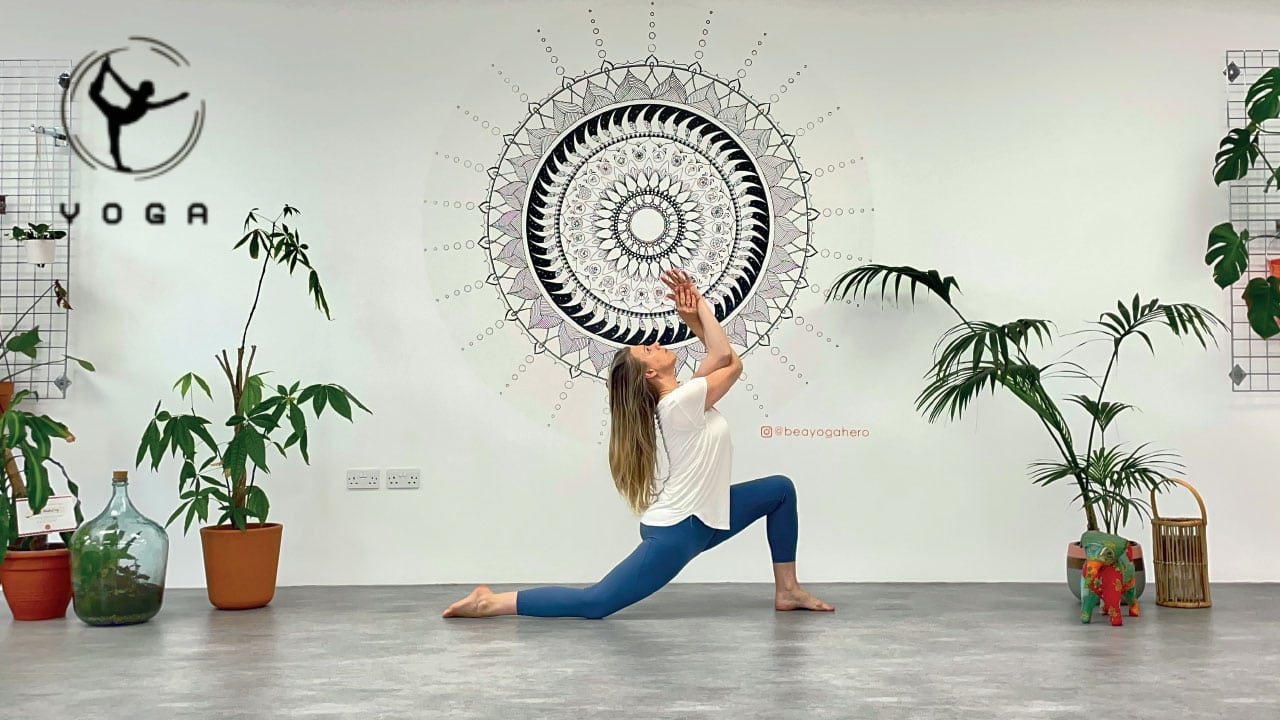
A cluttered, noisy, or poorly lit room can make yoga feel distracting and stressful. In contrast, a thoughtfully designed Yoga Space can instantly help your body relax, Improve Focus, deepen breathing, and strengthen the mind-body connection.
That is why dedicated yoga environments have become one of the biggest wellness trends in 2026.
Today, people want more than just a yoga mat on the floor. They want a peaceful sanctuary that supports movement, mindfulness, meditation, recovery, emotional well-being, and healthy daily routines.
The good news?
You do not need a massive studio or luxury home to create a beautiful yoga space. Even a quiet corner with intentional design can completely transform your practice experience.
In this complete guide, you will learn:
- How to create the perfect yoga space at home
- Best lighting, flooring, and color choices
- Yoga room design principles for mindfulness
- Minimalist yoga room ideas
- Indoor vs outdoor yoga setups
- Budget-friendly and luxury inspiration
- Common mistakes to avoid
- Expert wellness design tips
Whether you are a beginner or experienced yogi, this guide will help you build a peaceful and functional yoga sanctuary that supports long-term consistency and emotional balance.
What Is a Yoga Space?
A Yoga Space is a dedicated environment designed to support:
- Yoga practice
- Meditation
- Breathwork
- Relaxation
- Mindfulness
- Emotional regulation
A yoga space can be:
- A full yoga studio
- A spare bedroom
- A balcony corner
- A garden deck
- A meditation nook
- A minimalist living room setup
Purpose of a Yoga Space
The purpose of a yoga space is simple:
To create an environment that helps the body and mind feel calm, focused, safe, and present.
Modern yoga spaces combine:
- Functional design
- Open movement flow
- Natural elements
- Minimalism
- Sensory comfort
- Emotional calm
Unlike ordinary rooms, yoga spaces are intentionally designed to reduce stress and support mindful movement.
Why Your Yoga Environment Matters
Your nervous system constantly responds to environmental signals.
Research in environmental psychology and wellness design shows that lighting, clutter, airflow, color, and noise levels directly affect:
- Stress hormones
- Mental focus
- Mood regulation
- Breathing quality
- Emotional comfort
- Sleep and recovery
Benefits of a Well-Designed Yoga Environment
| Benefit | How It Helps |
| Reduced stress | Creates psychological calm |
| Better focus | Minimizes distraction |
| Improved breathing | Better airflow and posture awareness |
| Increased consistency | Encourages regular practice |
| Emotional grounding | Supports mindfulness |
| Better recovery | Helps relax the nervous system |
Professional yoga studios often prioritize:
- Natural light
- Acoustic comfort
- Spacious layouts
- Warm textures
- Air circulation
- Visual simplicity
This is not accidental.
Your environment influences your body’s stress response far more than most people realize.
Benefits of Creating a Dedicated Yoga Space
Physical Benefits
A proper yoga room supports healthier movement patterns.
Physical advantages include:
- Better posture alignment
- Safer transitions between poses
- Reduced injury risk
- Improved flexibility training
- More comfortable floor support
- Better balance and stability
A clean, open space also helps you move freely without mental hesitation.
Mental Benefits
Clarity is one of the biggest advantages of a dedicated yoga environment.
Mental benefits include:
- Reduced mental clutter
- Better concentration
- Improved mindfulness
- Increased self-awareness
- Enhanced meditation quality
Minimalist environments reduce overstimulation, allowing the brain to focus more effectively.
Emotional Benefits
Your yoga space can become a place of emotional safety and restoration.
Emotional benefits include:
- Lower anxiety levels
- Reduced overwhelm
- Improved mood
- Greater emotional grounding
- Nervous system relaxation
Many people begin associating their yoga space with peace, which strengthens emotional resilience over time.
Essential Elements of a Perfect Yoga Space
1. Open Space & Freedom of Movement
Movement freedom is essential.
You should have enough room to:
- Extend your arms fully
- Stretch comfortably
- Transition safely between poses
- Practice balance poses confidently
Ideal Space Recommendations
| Practice Type | Suggested Space |
| Basic yoga | One mat length |
| Flow yoga | Extra side clearance |
| Partner yoga | Wider open floor |
| Meditation | Small quiet corner |
Avoid overcrowding the room with unnecessary furniture.
Open space psychologically promotes freedom and calmness.
2. Natural Light
Natural light dramatically affects mood and energy.
Benefits of Natural Light
- Improves emotional wellbeing
- Helps regulate circadian rhythm
- Increases motivation
- Enhances mindfulness
- Reduces stress
Morning sunlight works especially well for energizing yoga styles like Vinyasa.
Soft filtered lighting supports restorative yoga and meditation.
Best Yoga Room Lighting Ideas
- Sheer curtains
- Skylights
- Warm LED lamps
- Salt lamps
- Dimmable lights
- Indirect lighting
Avoid
- Harsh fluorescent lighting
- Bright blue-toned LEDs
- Overly dark rooms
Best Colors for a Yoga Space
Color psychology significantly affects emotional regulation.
The best yoga room colors are calming, grounding, and nature-inspired.
Best Color Choices
| Color | Emotional Effect |
| Warm white | Calm and spacious |
| Sage green | Grounding and peaceful |
| Beige | Soft and comforting |
| Dusty blue | Relaxing and cooling |
| Soft gray | Neutral and calming |
| Earth tones | Natural and balanced |
Neutral palettes reduce visual overstimulation and support mindfulness.
Best Flooring for a Yoga Space
Flooring affects comfort, grip, safety, and atmosphere.
Best Yoga Flooring Materials
Hardwood
Durable, natural, and supportive.
Cork
Eco-friendly with natural cushioning.
Bamboo
Warm appearance with sustainable benefits.
Natural Rubber
Excellent grip for dynamic yoga styles.
Eco-Friendly Vinyl
Affordable and easy to clean.
Avoid
- Slippery tile
- Thick unstable rugs
- Uneven carpet
- Hard concrete floors
Natural materials create a warmer and more emotionally grounding environment.
How to Create a Yoga Space at Home
Creating a home yoga space does not require expensive renovations.
Step 1: Choose a Quiet Area
Pick a location with:
- Minimal distractions
- Good airflow
- Comfortable lighting
- Enough movement space
Even a bedroom corner can work beautifully.
Step 2: Remove Clutter
Clutter increases mental stimulation.
Keep only essential items in the room.
Minimalism improves:
- Focus
- Calmness
- Mental clarity
- Visual comfort
Step 3: Add Comfortable Flooring
Use:
- A quality yoga mat
- Supportive flooring
- Optional meditation cushion
Comfort directly affects consistency.
Step 4: Improve Lighting
Natural lighting is ideal.
If unavailable:
- Use warm lighting
- Add dimmable lamps
- Avoid harsh overhead lights
Step 5: Add Natural Elements
Nature-inspired design improves emotional well-being.
Simple additions include:
- Indoor plants
- Wooden furniture
- Stone decor
- Natural fabrics
- Bamboo accents
Biophilic design is one of the biggest wellness trends in 2026.
Step 6: Create a Sensory Experience
Your yoga space should feel emotionally calming.
Consider adding:
- Essential oil diffusers
- Soft music
- Calm textures
- Gentle scents
- Acoustic comfort
The goal is sensory balance — not overstimulation.
Minimalist Yoga Space Design
Minimalism is one of the most searched yoga room trends today.
Why Minimalism Works
Excessive visual stimulation increases mental fatigue.
Benefits of Minimalist Yoga Spaces
- Easier focus
- Emotional calm
- Cleaner aesthetics
- Better mindfulness
- Reduced distraction
Minimalist Essentials
You only need:
- Yoga mat
- Cushion
- Soft lighting
- Plant
- Small shelf
- Calm artwork
Minimalism creates emotional breathing room.
Yoga Space Layout & Design Principles
Good yoga design balances aesthetics and function.
Key Design Principles
Flow
The room should feel easy to move through.
Simplicity
Avoid visual overwhelm.
Balance
Use symmetrical layouts when possible.
Comfort
Temperature, lighting, and airflow matter.
Intention
Every item should serve a purpose.
Breathing Technique & Air Quality
Breath quality is central to yoga.
Poor ventilation can negatively affect:
- Focus
- Energy
- Breathing efficiency
- Comfort
Ideal Air Conditions
- Fresh airflow
- Moderate humidity
- Comfortable temperature
- Clean environment
Tips for Better Air Quality
- Open windows regularly
- Use air-purifying plants
- Avoid synthetic fragrances
- Keep dust to a minimum
- Consider air purifiers
Breath-focused yoga requires a breathable environment.
Muscles & Body Systems Supported by a Good Yoga Space
A proper yoga environment indirectly supports overall movement quality and nervous system recovery.
Muscles Supported
- Core muscles
- Hip stabilizers
- Spinal support muscles
- Shoulder stabilizers
- Hamstrings and glutes
Nervous System Support
Calm spaces help activate the parasympathetic nervous system, also known as the “rest and digest” state.
This supports:
- Recovery
- Emotional regulation
- Better Sleep
- Reduced stress response
Feng Shui for Yoga Spaces
Feng Shui focuses on harmonious energy flow.
Yoga and Feng Shui both emphasize balance and intentional living.
Simple Feng Shui Tips
- Keep pathways open
- Avoid clutter
- Use natural materials
- Add healthy plants
- Maximize natural light
- Avoid sharp visual distractions
These principles help create a more emotionally calming environment.
Indoor vs Outdoor Yoga Spaces
Indoor Yoga Spaces
Best For
- Privacy
- Climate control
- Meditation
- Consistency
Advantages
- Controlled lighting
- Noise reduction
- Comfortable temperature
- Reliable year-round use
Outdoor Yoga Spaces
Best For
- Nature connection
- Grounding
- Breathwork
- Stress reduction
Popular Outdoor Ideas
- Rooftop yoga decks
- Garden yoga corners
- Patio studios
- Forest retreats
- Balcony meditation spaces
Nature exposure often improves mindfulness and emotional well-being.
Yoga Space Variations
Beginner Yoga Space
Simple and affordable.
Essentials
- Yoga mat
- Pillow or cushion
- Warm light
- Quiet area
Intermediate Yoga Space
More functional and intentional.
Additions
- Blocks and straps
- Storage shelf
- Plants
- Speaker system
Advanced or Luxury Yoga Studio
Designed for immersive wellness.
Features
- Smart lighting
- Heated flooring
- Acoustic wall panels
- Aromatherapy systems
- Indoor gardens
- Meditation pods
Duration & Frequency of Practice
Your yoga space becomes more effective with regular use.
Recommended Frequency
| Experience Level | Suggested Practice |
| Beginner | 15–20 minutes daily |
| Intermediate | 30–45 minutes |
| Advanced | 60+ minutes |
Consistency matters more than perfection.
Even short daily sessions strengthen the emotional connection to your yoga sanctuary.
Common Yoga Space Mistakes to Avoid
Too Much Decoration
Overdesign creates visual stress.
Poor Ventilation
Fresh airflow matters for healthy breathing.
Harsh Lighting
Bright white lighting feels clinical rather than calming.
Cluttered Floors
Messy spaces increase mental distraction.
Wrong Temperature
Extreme heat or cold disrupts focus.
Ignoring Acoustics
Echo and outside noise reduce relaxation quality.
Safety Tips
A yoga space should support safe movement.
Important Safety Guidelines
- Keep floors dry
- Avoid slippery rugs
- Maintain proper lighting
- Use supportive flooring
- Remove sharp furniture edges
- Store props neatly
Safety improves confidence and consistency.
Contraindications & Health Considerations
Although yoga spaces are generally safe, some environmental factors may affect certain individuals.
Consult a Healthcare Professional If You Have
- Severe respiratory conditions
- Balance disorders
- Sensory sensitivity
- Chronic pain conditions
- Recent injuries
Also Avoid
- Overheated rooms without ventilation
- Mold-prone environments
- Strong artificial fragrances may be sensitive
A calm environment should support wellness — not create discomfort.
Budget-Friendly Yoga Space Ideas
You do not need a luxury budget.
Some of the most peaceful yoga spaces are extremely simple.
Affordable Setup Ideas
| Budget Item | Purpose |
| Yoga mat | Foundation |
| Floor cushion | Meditation support |
| Warm lamp | Mood lighting |
| Plant | Natural calm |
| Blanket | Comfort |
| Small speaker | Relaxing audio |
You can create a calming yoga environment for very little money.
Luxury Yoga Space Trends (2026)
Modern luxury wellness design focuses on immersive calm experiences.
Popular Trends
- Smart mood lighting
- Biophilic architecture
- Acoustic wall panels
- Aromatherapy systems
- Indoor gardens
- Panoramic windows
- Heated floors
- Meditation pods
- Sustainable materials
The future of yoga design combines wellness science with intentional architecture.
Best Accessories for a Yoga Space
Essential Accessories
- Yoga mat
- Blocks
- Bolster
- Straps
- Meditation cushion
Optional Upgrades
- Singing bowl
- Essential oil diffuser
- Salt lamp
- Storage bench
- Blanket basket
- Bluetooth speaker
Choose accessories intentionally.
Too many objects create a distraction.
How to Make a Small Yoga Space Feel Bigger
Even tiny spaces can feel deeply peaceful.
Expert Tips
- Use light wall colors
- Reduce furniture
- Keep floors visible
- Use mirrors carefully
- Add vertical storage
- Choose foldable props
- Maximize natural light
Small spaces often feel more personal and emotionally grounding.
Science & Yoga Philosophy Behind Yoga Spaces
Traditional yoga philosophy emphasizes the environment as part of spiritual discipline.
Ancient yogis practiced in spaces designed for:
- Silence
- Simplicity
- Breath awareness
- Mental clarity
- Natural connection
Modern neuroscience now supports many of these principles.
Research suggests calming environments may help:
- Reduce cortisol
- Improve emotional regulation
- Support mindfulness
- Lower stress response
- Improve concentration
This is why intentional wellness spaces continue growing in popularity worldwide.
Pros & Cons of Dedicated Yoga Spaces
| Pros | Cons |
| Better focus | Requires organization |
| Encourages consistency | May need home adjustments |
| Improves relaxation | Can become cluttered |
| Supports mindfulness | Some setups cost money |
| Enhances emotional wellbeing | Requires maintenance |
Expert Pro Tips for the Perfect Yoga Space
1. Prioritize Feeling Over Appearance
A calming space matters more than trendy decoration.
2. Keep Technology Minimal
Reduce excessive screens and notifications.
3. Use Natural Materials
Wood, cotton, bamboo, cork, and stone create emotional warmth.
4. Protect the Energy of the Room
Avoid turning your yoga space into a storage area.
5. Build a Ritual Around the Space
Lighting a candle or beginning with deep breathing creates consistency and mindfulness.
FAQs
Ideally, you need enough room for one yoga mat plus arm extension space. Even a small apartment corner can work effectively.
The best yoga room is quiet, uncluttered, naturally lit, well-ventilated, and emotionally calming.
Yes. Many people use balconies, bedroom corners, patios, or living room areas successfully.
Warm neutrals, sage green, dusty blue, beige, and earth tones are excellent for relaxation and focus.
Both have benefits. Outdoor yoga supports grounding and nature connection, while indoor yoga provides privacy and climate control.
Final Thoughts
A Yoga Space is not about luxury or perfection.
It is about intention.
The right environment can:
- Calm the nervous system
- Improve Consistency
- Deepen mindfulness
- Support emotional wellbeing
- Make movement more enjoyable
Whether your yoga space is:
- Minimalist
- Modern
- Spiritual
- Outdoor
- Tiny
- Budget-friendly
- Luxurious
…the goal remains the same:
To create a peaceful sanctuary where your body and mind can fully breathe.
With thoughtful design, calming energy, and functional simplicity, almost any corner of your home can become a restorative yoga environment.
Start small.
Stay consistent.
And allow your yoga space to evolve alongside your practice.
Disclaimer
This content is for informational and educational purposes only and does not replace professional medical advice, diagnosis, or treatment. Always consult a qualified healthcare professional before starting any exercise, yoga, or wellness program.
