Introduction
In 2026, the Bromage Tibetan Yoga PDF has quietly transformed into one of the most frequently searched, highly downloaded, and widely discussed classical yoga manuscripts on the internet. Despite its age, this text continues to attract curious readers, spiritual seekers, and mindfulness enthusiasts.
But here’s the reality most people don’t talk about:
Many individuals download the file… yet fail to truly comprehend, interpret, or apply its teachings.
Why does this happen?
This is not a typical modern yoga guide filled with poses, visuals, and step-by-step fitness routines. Instead, it is a profound, symbolic, and introspective work that focuses on consciousness, awareness, and subtle internal processes.
Originally written in 1952 by Bernard Bromage, this book represents one of the earliest Western attempts to explain, interpret, and simplify Tibetan yogic traditions for a broader audience.
Today, it is commonly found as:
- Scanned PDF documents
- Archived digital files
- Public domain downloads
However, most of these versions come with major issues:
No clear structure
No guided explanations
No beginner-friendly breakdown
This is exactly why this comprehensive 2026 guide exists—to bridge that gap.
What Is Bromage Tibetan Yoga?
The Bromage Tibetan Yoga PDF is a philosophical and practical manual that explores Tibetan-inspired yogic systems through a Western lens.
However, it differs significantly from modern yoga systems.
Modern Yoga vs Bromage Tibetan Yoga
| Feature | Modern Yoga | Bromage Tibetan Yoga |
| Focus | Physical fitness | Mental awareness |
| Goal | Flexibility & strength | Consciousness expansion |
| Style | Physical postures | Meditation + breath control |
| Approach | External body | Internal energy |
Core Insight:
Bromage presents yoga not as exercise—but as a science of awareness, perception, and inner transformation.
Core Focus Areas in the Book
1. Mind Training
The book emphasizes training the mind through:
- Meditation practices
- Awareness cultivation
- Thought observation
- Mental discipline
Instead of suppressing thoughts, it teaches watching, understanding, and transcending them.
2. Breath Work
Breathing is described as a bridge between body and mind.
Key elements include:
- Slow rhythmic breathing
- Controlled inhalation and exhalation
- Early forms of pranayama-like techniques
This is not forced breathing but natural, smooth, and mindful respiration.
3. Energy Systems
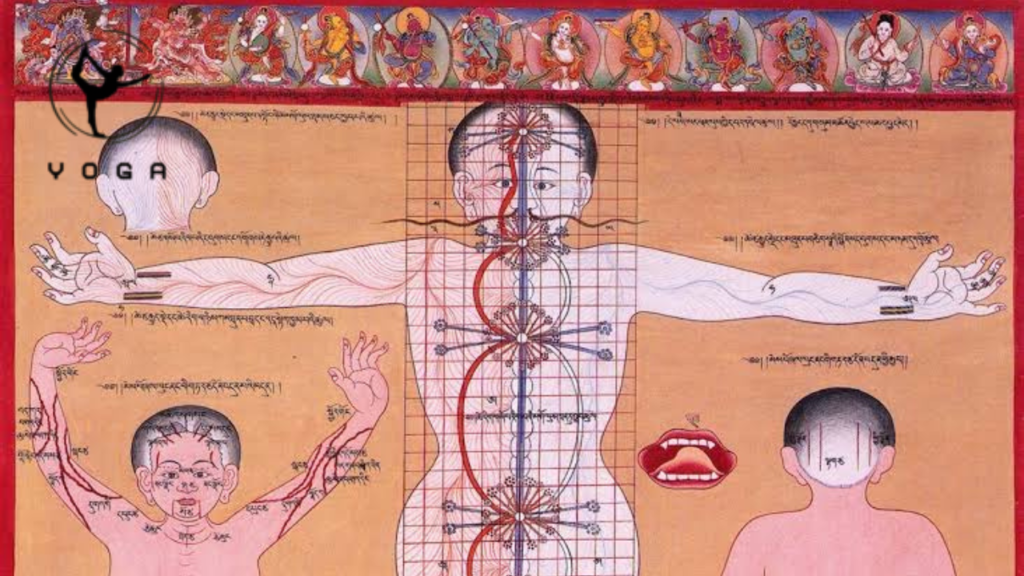
One of the most fascinating parts of the book is its reference to:
- Subtle energy channels
- Internal life force
- Energetic balance
These ideas resemble later concepts found in advanced yogic and meditative traditions.
4. Spiritual Growth
The ultimate aim is not fitness—but inner awakening.
This includes:
- Expanding awareness
- Understanding consciousness
- Achieving higher states of perception
Big Concept: Yoga as Inner Science
The book repeatedly highlights a powerful idea:
Yoga is a systematic method to explore consciousness.
It teaches you to:
- Observe your mind
- Control internal energy
- Expand awareness gradually
This connects with advanced practices such as:
- Inner heat meditation
- Conscious dreaming
- Energy channel awareness
Benefits of Bromage Tibetan Yoga (2026 Perspective)
Even though the book is decades old, its teachings remain timeless, relevant, and powerful.
Physical Benefits
- Improved breathing efficiency
- Better nervous system regulation
- Enhanced blood circulation
- Deep physical relaxation
Mental Benefits
- Sharper focus and Concentration
- Reduced stress and anxiety
- Emotional balance and stability
- Increased mindfulness and clarity
Spiritual Benefits
- Greater self-awareness
- Deeper connection with inner energy
- Expanded consciousness
- Sense of inner peace
Important: These outcomes develop gradually through consistent and patient practice.
Core Tibetan Yoga Practices Explained (Beginner-Friendly)
1. Inner Heat Meditation (Tummo)
This is one of the most recognized and powerful techniques.
Purpose:
- Generate internal warmth
- Cleanse the body
- Increase awareness
Method:
- Controlled breathing
- Visualization of inner fire
- Focus on the core region
2. Dream Yoga
This practice involves maintaining awareness during sleep.
Purpose:
- Become conscious in dreams
- Observe subconscious patterns
Benefits:
- Enhanced mental awareness
- Reduced unconscious habits
3. Breath & Energy Alignment
This is a subtle and refined system.
Focus Areas:
- Slow breathing
- Energy flow awareness
- Synchronizing breath with attention
Step-by-Step Beginner Practice (Simple Guide)
Important: Always begin gently. Avoid rushing into advanced methods.
1: Sitting Position
- Sit cross-legged or on a chair
- Keep your spine upright
- Relax your shoulders
2: Breath Awareness
- Inhale slowly through the nose
- Exhale gently
- Focus entirely on breathing
3: Mind Observation
- Watch your thoughts
- Do not react or judge
- Stay calm and neutral
4: Energy Awareness
- Imagine warmth in your abdomen
- Visualize energy rising slowly
Recommended Practice Table
| Level | Duration | Frequency |
| Beginner | 10–15 min | Daily |
| Intermediate | 20–30 min | 5x/week |
| Advanced | 45+ min | Daily |
Proper Form & Alignment (Very Important)
Even without physical poses, posture is essential.
Correct Alignment
- Straight spine
- Chin slightly lowered
- Relaxed hands
Avoid These Mistakes
- Slouching
- Tension in shoulders
- Forced breathing
Breathing Technique (Core Principle)
Breathing is the foundation of this system.
Basic Pattern
- Inhale → 4–5 seconds
- Optional hold
- Exhale → 5–6 seconds
Focus on smooth, natural breathing, not exaggerated depth.
Systems Affected
This practice influences internal systems such as:
- Nervous system
- Respiratory system
- Brain function
- Energy pathway
Practice Levels (Beginner → Advanced)
Beginner
- Breath awareness
- Basic meditation
Intermediate
- Visualization
- Energy awareness
Advanced
- Inner heat practices
- Dream yoga
- Deep energy work
Common Mistakes to Avoid
- Starting advanced practices too early
- Forcing breathing patterns
- Expecting immediate results
- Misinterpreting symbolic teachings
Safety Tips (Very Important)
- Practice in a calm environment
- Avoid excessive breath retention
- Stop if dizziness occurs
- Learn from experienced guidance when possible
Who Should Avoid This Practice?
- People with severe anxiety
- Individuals with breathing disorders
- Beginners attempting advanced techniques alone
Beginner Tips for Faster Progress
- Start simple
- Stay consistent
- Focus on awareness
- Combine with light physical yoga
Duration & Frequency
Golden Rule: Consistency is more important than intensity
- Practice daily in short sessions
- Avoid long forced routines
- Increase duration gradually
Philosophy Behind Bromage’s Teachings
The system is built on:
- Mind-body connection
- Energy awareness
- Consciousness expansion
This differs significantly from modern fitness-based yoga.
Diet Tips (Optional)
- Eat light meals
- Avoid heavy food before practice
- Stay hydrated
Home Practice Setup
Create a peaceful space:
- Quiet room
- Morning or evening timing
- Minimal distractions
- Comfortable seating
Bromage vs Modern Tibetan Yoga
| Feature | Bromage | Modern Tibetan Yoga |
| Depth | Basic | Advanced |
| Authenticity | Medium | High |
| Language | Simple | Complex |
| Access | Free | Paid |
Is Bromage Tibetan Yoga Authentic? (Honest Answer)
Authentic Aspects:
- Based on Tibetan concepts
- Reflects real ideas
Limitations:
- Not written by a Tibetan master
- Simplified explanations
- Lacks deeper teachings
Conclusion: It is an introduction, not a complete system.
Is the Bromage Tibetan Yoga PDF Safe to Download?
Yes—if sourced carefully.
Safety Tips:
- Use trusted archive platforms
- Avoid unknown links
- Scan files before opening
Why This Book Still Matters in 2026
Historical Value
One of the earliest Western interpretations of Tibetan yoga
Beginner Accessibility
Simplifies complex ideas
Free Availability
Accessible to everyone
Pros & Cons
Pros
- Free access
- Simple language
- Good introduction
- Historical importance
Cons
- Limited depth
- Partial authenticity
- Easy to misunderstand
Powerful Example: Daily Routine
Morning (10 min):
- Sit quietly
- Focus on breath
- Observe thoughts
Evening (10 min):
- Gentle breathing
- Light visualization
- Relaxation
Practice consistently for 30 days to notice a transformation.
FAQs
Yes, it is available in public domain archives.
Yes, but requires patience and understanding.
Partially—it introduces real concepts but lacks full depth.
Yes, short daily sessions are recommended.
Not necessarily—it serves more as a historical and philosophical guide.
Conclusion
The Bromage Tibetan Yoga PDF is more than just a document—it is a gateway into deeper awareness, inner exploration, and subtle energy understanding.
Despite its limitations, it offers:
- Insight into consciousness
- A simple starting point
- A freely accessible resource
Its value depends on how you interpret and apply it.
Final Advice
- Begin slowly
- Stay Consistent
- Avoid rushing
- Combine with modern knowledge.
