Introduction
If you think yoga Bolsters are just oversized pillows, you’re missing one of the most powerful tools in modern yoga practice.
A yoga bolster is not about comfort alone—it’s about alignment, recovery, breath expansion, and deep nervous system relaxation. Whether you’re a beginner struggling with flexibility or an experienced yogi looking to deepen restorative poses, a bolster can completely transform your experience.
In today’s fast-paced world, where stress, poor posture, and back pain are common, yoga bolsters act as a bridge between effort and ease. They allow your body to relax fully while still maintaining proper posture and structure.
In this complete guide, you’ll learn:
- What yoga bolsters really do (beyond basic definitions)
- Science-backed benefits
- Step-by-step usage
- Types, materials, and buying tips
- Real routines you can follow at home
By the end, you’ll know exactly how to use a yoga bolster to improve your flexibility, reduce pain, and enhance your overall well-being.
What Are Yoga Bolsters?
A yoga bolster is a firm, elongated cushion designed to support the body during yoga, meditation, and relaxation practices.
Unlike regular pillows, bolsters are specifically engineered to:
- Maintain shape under body weight
- Support spinal alignment
- Enable passive stretching
- Reduce strain on joints and muscles
Key Characteristics:
| Feature | Description |
| Shape | Rectangular or cylindrical |
| Firmness | Medium to firm |
| Purpose | Support, alignment, relaxation |
| Usage | Restorative yoga, meditation, rehab |
Think of it as a therapeutic tool, not just a cushion.
Benefits of Using Yoga Bolsters
1. Deep Relaxation & Stress Relief
Yoga bolsters activate the parasympathetic nervous system—your body’s “rest and digest” mode.
This leads to:
- Reduced cortisol (stress hormone)
- Slower heart rate
- Improved sleep quality
2. Improved Flexibility (Without Force)
Bolsters allow passive stretching, meaning:
- Muscles relax naturally
- No strain or resistance
- Greater long-term flexibility
Ideal for beginners or people with tight muscles.
3. Better Posture & Alignment
Using a bolster supports:
- Spine
- Hips
- Knees
- Neck
This helps correct poor posture caused by:
- Sitting long hours
- Screen usage
- Weak core muscles
4. Enhanced Breathing Capacity
When placed under the spine or chest:
- Opens rib cage
- Expands lungs
- Improves oxygen intake
Perfect for pranayama (breathing exercises).
5. Pain Relief & Injury Recovery
Highly effective for:
- Lower back pain
- Sciatica
- Tight hips
- Neck stiffness
It reduces pressure while supporting healing.
How to Use Yoga Bolsters (Step-by-Step)
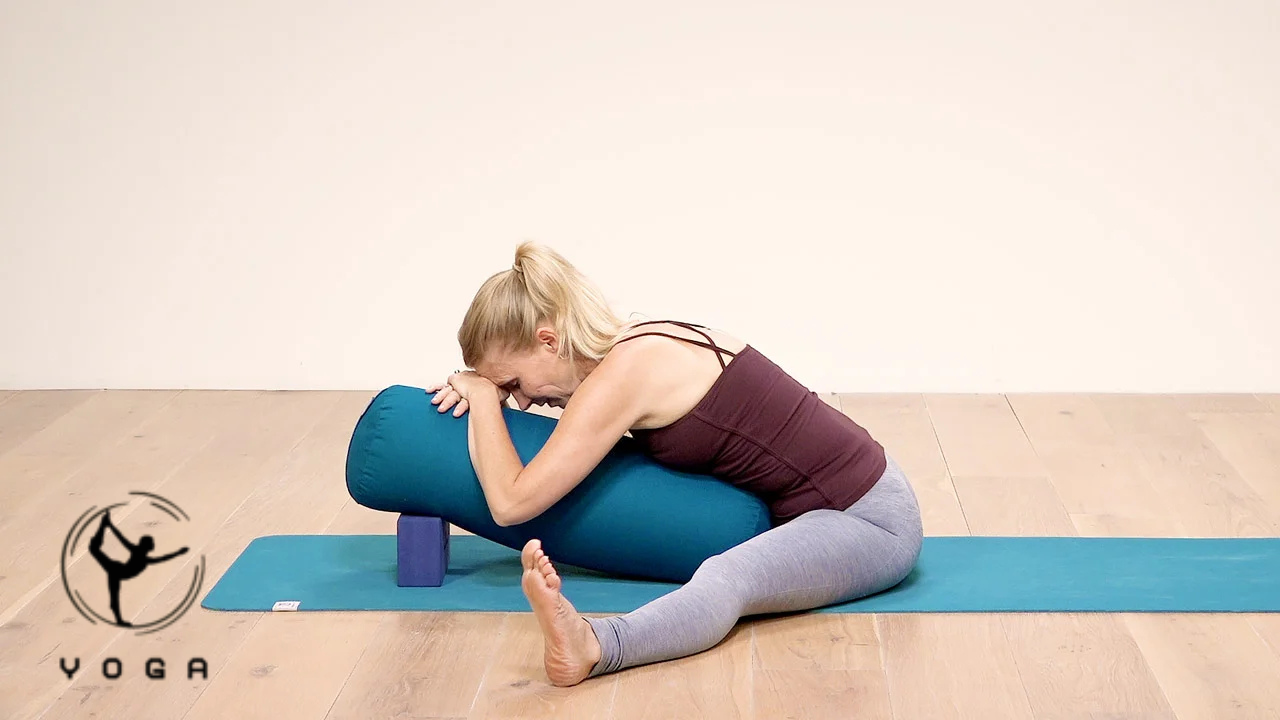
1. Supported Child’s Pose
Steps:
- Place the bolster lengthwise
- Kneel and fold forward
- Rest chest and head on the bolster
Benefits:
- Relieves stress
- Calms mind
- Gently stretches back
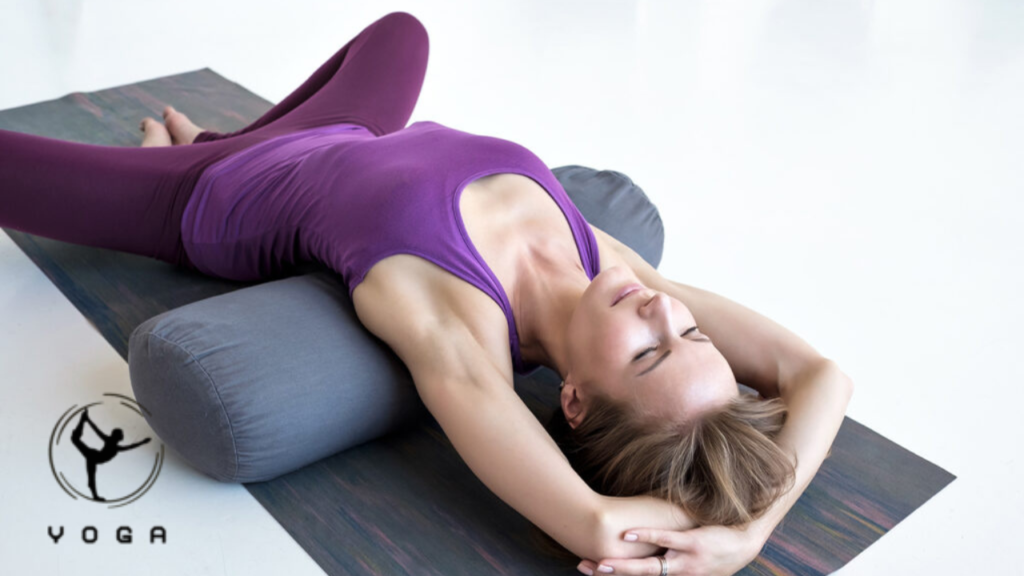
2. Reclining Heart Opener
Steps:
- Place a bolster along the spine
- Lie back slowly
- Extend arms outward
Benefits:
- Opens chest
- Improves posture
- Enhances breathing
3. Legs Up the Wall (Viparita Karani)**
Steps:
- Sit sideways near the wall
- Swing legs up
- Place a bolster under the hips
Benefits:
- Improves circulation
- Reduces swelling
- Deep relaxation
4. Supported Savasana
Steps:
- Lie flat on your back
- Place a bolster under the knees
Benefits:
- Relieves lower back pressure
- Full-body relaxation
Proper Form & Alignment
To maximize benefits:
- Keep spine neutral, not forced
- Ensure bolster supports natural curves
- Avoid Collapsing into the prop
- Keep shoulders relaxed
Alignment matters more than flexibility.
Breathing Technique
While using a yoga bolster:
- Inhale deeply through the nose
- Expand chest and belly
- Exhale slowly
Try 4-6 breathing pattern:
- Inhale 4 seconds
- Exhale 6 seconds
This enhances relaxation and oxygen flow.
Muscles Targeted
Yoga bolsters primarily support and relax:
- Spine stabilizers
- Hip flexors
- Hamstrings
- Chest (pectorals)
- Lower back muscles
Focus is more on release than activation.
Types of Yoga Bolsters
1. Rectangular Bolster
Best for:
- Beginners
- Restorative yoga
- Stability
Pros:
- Flat surface
- Versatile
- Highly stable
2. Round Bolster
Best for:
- Chest opening
- Gentle backbends
Pros:
- Softer feel
- Encourages curve
3. Pranayama Bolster
Best for:
- Breathing exercises
- Spine alignment
Pros:
- Slim design
- Focused support
Materials & Fill Types
| Material | Features | Best For |
| Cotton | Firm, durable | Long-term use |
| Foam | Soft, lightweight | Beginners |
| Buckwheat | Adjustable, eco-friendly | Advanced users |
How to Choose the Best Yoga Bolster
Choose Based on Shape
- Rectangular = versatility
- Round = comfort & chest opening
Check Firmness
- Firm = better support
- Soft = more comfort
Look for Features
- Removable cover
- Washable fabric
- Carry handle
Yoga Bolster Price Guide (2026)
| Category | Price Range |
| Budget | $25–$40 |
| Mid-range | $40–$80 |
| Premium | $80+ |
In Pakistan: Around Rs. 6,000–15,000+, depending on quality.
Do You Really Need a Yoga Bolster?
Short answer: Yes—if you practice regularly.
Alternatives:
- Pillows
- Blankets
But they:
- Lose shape
- Lack support
- Reduce Effectiveness
A real bolster = better alignment + deeper relaxation.
Best 10-Min Yoga Bolster Routine
| Pose | Duration |
| Child’s Pose | 2 min |
| Heart Opener | 3 min |
| Forward Fold | 2 min |
| Legs Up Wall | 3 min |
Perfect daily recovery routine.
Common Mistakes to Avoid
- Using a too soft bolster
- Ignoring proper alignment
- Rushing poses
- Not breathing properly
Safety Tips
- Move slowly into poses
- Use support under the head/neck
- Stop if pain occurs
- Practice on a stable surface
Contraindications
Consult a doctor if you have:
- Severe spinal injuries
- Recent surgery
- Chronic pain conditions
- Pregnancy (advanced stages)
Tips for Beginners
- Start with simple poses
- Use a rectangular bolster
- Focus on breathing
- Practice 10–15 minutes daily
Science & Yoga Philosophy
In yoga philosophy, bolsters support “effortless effort” (Sthira + Sukha)—a balance between stability and comfort.
From a scientific view:
- Supports fascia release
- Activates the relaxation response
- Reduces muscle guarding
Diet Tips for Better Results
- Stay hydrated
- Eat anti-inflammatory foods
- Avoid heavy meals before practice
Home Practice Suggestions
- Create a quiet space
- Use soft lighting
- Combine with meditation
Comparison Table
| Feature | Bolster | Pillow |
| Support | High | Low |
| Durability | Long-lasting | Short |
| Alignment | Excellent | Poor |
Pros & Cons
Pros
Improves flexibility
Reduces stress
Supports alignment
Cons
Initial cost
Storage space
Pro Tips
- Use a bolster for yin yoga holds (5–10 min)
- Combine with breathwork sessions
- Use under the spine daily for posture correction
FAQs
It supports the body in yoga poses, improves alignment, and promotes deep relaxation.
Yes, they reduce pressure and support the spine, helping relieve discomfort.
Rectangular bolsters are the most stable and versatile.
Yes, but it won’t provide the same support or durability.
Medium to firm is ideal for proper support.
Conclusion
Yoga bolsters are not optional—they are essential tools for modern yoga practice.
They help you:
- Relax deeper
- Move safer
- Improve Flexibility
- Reduce pain
Whether you’re a beginner or advanced practitioner, adding a yoga bolster can upgrade your entire yoga experience.
Disclaimer
This content is for informational purposes only. Consult a healthcare professional before starting any exercise or wellness program.
