
Introduction
In today’s fast-paced, ever-evolving lifestyle, yoga is no longer Confined to Traditional studios or the comfort of your home. It has transformed into a flexible, mobile practice that adapts to your environment. Whether you’re in a hotel room, a quiet park, an airport lounge, or a compact apartment, your yoga routine can travel with you effortlessly.
This shift has created demand for smarter, more portable equipment—enter the foldable yoga mat.
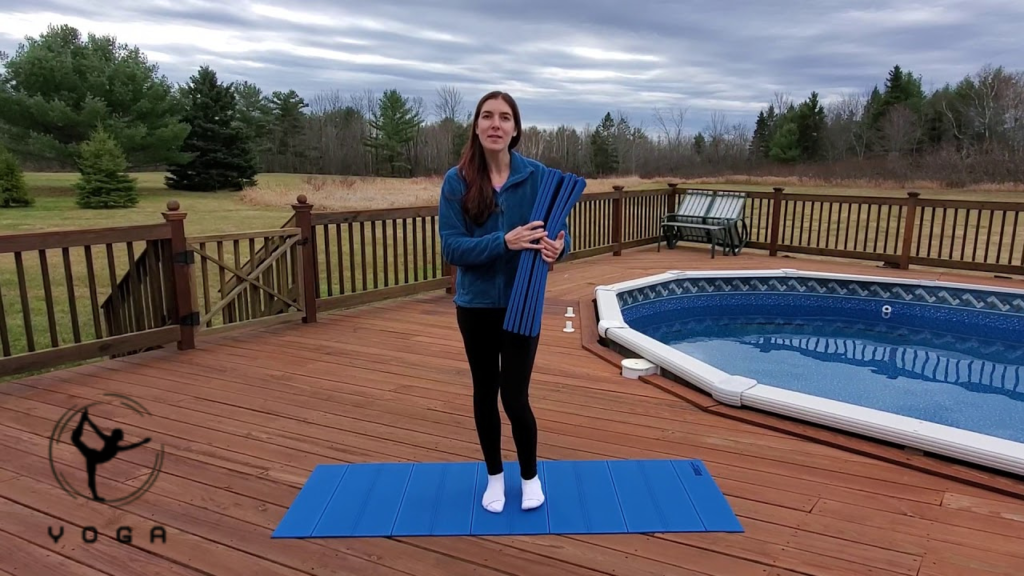
Unlike conventional mats that are bulky, cylindrical, and inconvenient to carry, foldable yoga mats are compact, lightweight, and extremely travel-friendly. You can neatly fold them like clothing and slide them into your backpack, carry-on luggage, or gym bag without hassle.
However, here’s an important reality most guides overlook:
Not all foldable yoga mats deliver comfort, durability, or performance.
Some provide poor traction. Others are excessively thin. And many lose their quality over time.
That’s exactly why this detailed 2026 guide is designed to help you:
- Understand what a foldable yoga mat truly is
- Explore its advantages and limitations (honest insights)
- Learn how to choose the ideal option
- Compare foldable vs traditional mats
- Discover top-rated picks
- Gain expert-level usage, maintenance, and safety tips
By the end, you’ll confidently select the perfect mat tailored to your lifestyle.
What Is a Foldable Yoga Mat?
A foldable yoga mat is a lightweight exercise surface engineered to fold into segments instead of rolling into a tube.
Key Characteristics:
- Folds neatly like fabric or a towel
- Extremely space-efficient
- Lightweight (typically 1–2 lbs)
- Designed for portability and travel convenience
Think of it as the “carry-on version” of a traditional yoga mat—compact, efficient, and minimalist.
Foldable vs Traditional Yoga Mats
| Feature | Foldable Yoga Mat ⭐ | Traditional Roll Mat ⭐ |
| Portability | ⭐⭐⭐⭐⭐ | ⭐⭐ |
| Cushioning | ⭐⭐ | ⭐⭐⭐⭐⭐ |
| Storage | Compact | Bulky |
| Travel Use | Excellent | Limited |
| Durability | Moderate | High |
| Comfort | Low–Moderate | High |
Verdict:
- Choose foldable mats for mobility and convenience
- Choose roll mats for comfort and prolonged sessions
Benefits of Foldable Yoga Mats
1. Ultra-Portable Design
The biggest advantage is mobility.
You can fold the mat into a compact square—roughly the size of a laptop—and carry it anywhere with ease.
Perfect for:
- Traveling
- Gym bags
- Office storage
2. Space-Saving Solution
If you live in a small apartment or shared living space, this mat is incredibly practical.
It eliminates the need for extra storage space and fits easily into drawers or shelves.
3. Hygienic Folding System
Unlike rolled mats:
- The top surface folds inward
- Less exposure to dirt and bacteria
This makes foldable mats more sanitary, especially for public environments.
4. Lightweight & Easy to Carry
Most foldable mats weigh between:
0.5–1 kg (1–2 lbs)
This featherlight design ensures effortless portability without strain.
5. Multi-Purpose Use
Foldable yoga mats are versatile and adaptable.
You can use them for:
- Yoga sessions
- Stretching routines
- Pilates exercises
- Light workouts
Drawbacks You Must Know
1. Thin Cushioning
Most foldable mats are:
1–2mm thick
This results in:
- Reduced padding
- Less joint support
- Lower comfort
2. Reduced Stability
Compared to thicker mats:
- Less grip on certain surfaces
- May shift during dynamic movements
3. Crease Lines
Frequent folding creates:
- Visible fold marks
- Gradual wear along crease points
4. Not Ideal for Daily Heavy Practice
Best suited for:
- Travel
- Occasional sessions
Not recommended for:
- Intensive daily routines
- Long-duration practice
How to Choose the Best Foldable Yoga Mat
Selecting the right mat requires careful evaluation. Here’s a simplified breakdown:
Thickness (Most Important Factor)
| Thickness | Best For |
| 1–2mm | Travel & portability |
| 3–5mm | Enhanced comfort |
Tip: If you experience joint discomfort, avoid ultra-thin options.
Material Matters
| Material | Benefits | Best For |
| Natural Rubber | Strong grip, eco-conscious | Hot yoga |
| PVC | Durable, affordable | Beginners |
| Microfiber | Sweat-activated grip | Travel & hot yoga |
Grip & Texture
- Smooth surface → Lower traction
- Textured surface → Better stability
If you sweat frequently, choose microfiber or rubber for improved grip.
Weight & Fold Size
Look for:
- Under 2 lbs
- Compact folding design
Durability
Check for:
- Tear resistance
- Fold-line strength
- Brand reliability
Best Foldable Yoga Mats (2026 Picks)
Best Overall
Mikkoa Foldable Travel Mat
- Excellent traction
- Stylish appearance
- Eco-friendly construction
Best for Travel
YOGO Ultralight Foldable Mat
- Built-in straps
- Ultra-compact design
- Hygienic folding structure
Best Budget Option
Gaiam Foldable Yoga Mat
- Cost-effective
- Beginner-friendly
- Reliable performance
Best Grip & Performance
Manduka eKO SuperLite
- Superior traction
- Durable material
- Environmentally conscious
Science Behind Thin Yoga Mats
Why are foldable mats thin?
Less material equals greater portability.
But there’s more scientific reasoning behind it.
Balance vs Comfort
- Thin mat → Improved balance
- Thick mat → Increased comfort
Muscles Engaged
Using a foldable mat activates:
- Core stabilizers
- Foot muscles
- Ankle support systems
Why?
Because your body must engage more actively to maintain equilibrium.
How to Use a Foldable Yoga Mat
1: Unfold Properly
- Lay it flat
- Smooth out creases
2: Choose the Right Surface
Best surfaces:
- Wooden floors
- Carpets
- Grass
Avoid:
- Rough concrete
3: Adjust Grip
- Use a towel if sweating
- Ensure foot stability
4: Practice Mindfully
- Move slowly
- Maintain awareness
Breathing Technique While Practicing
Use:
- Slow nasal breathing
- Deep, controlled inhalations
Benefits:
- Enhanced concentration
- Improved balance
Proper Form & Alignment Tips
- Engage your core muscles
- Distribute weight evenly
- Avoid joint locking
Thin mats demand better body control and precision.
Variations Based on User Level
Beginner
- Practice on soft surfaces
- Use additional padding
Intermediate
- Focus on standing poses
- Improve balance control
Advanced
- Practice on firm surfaces
- Try dynamic flows
Common Mistakes to Avoid
- Choosing based only on price
- Ignoring thickness
- Using it as a primary daily mat
- Overlooking grip quality
- Folding incorrectly
Safety Tips
- Add Cushioning if needed
- Avoid high-impact exercises
- Warm up before practice
Contraindications
Avoid foldable mats if you have:
- Knee pain
- Joint issues
- Arthritis
Opt for thicker mats instead.
Tips for Beginners
- Start with short sessions
- Practice on soft surfaces
- Focus on stability
Duration & Frequency Recommendations
- Travel use → Anytime
- Daily use → 15–30 minutes
- Combine with regular mats for longer sessions
Yoga Philosophy Behind Minimalism
Foldable mats align with yogic principles such as:
- Aparigraha (non-attachment)
- Simplicity
- Minimalism
Less material encourages greater awareness.
Optional Diet Tips for Yogis
To enhance performance:
- Stay hydrated
- Eat light meals before practice
- Include magnesium-rich foods
Home Workout Suggestions
Use your foldable mat for:
- Bodyweight exercises
- Mobility drills
- Stretching routines
How to Care for a Foldable Yoga Mat
Cleaning
- Use mild soap
- Natural cleaning solutions
Storage
- Store rolled when at home
- Avoid constant folding
Drying
- Always air dry completely
Quick Buying Comparison Table
| Feature | Best Choice |
| Travel | Foldable mat |
| Comfort | Thick roll mat |
| Budget | PVC foldable mat |
| Grip | Rubber / Microfiber |
| Durability | Premium brands |
FAQs
Yes, especially for travel. However, beginners may prefer thicker mats for added comfort.
You can, but it’s not ideal for long or intense sessions.
High-quality mats provide good grip, especially rubber-based ones.
They offer moderate durability but are less long-lasting than traditional mats.
Yes—especially for portability and travel convenience.
Conclusion
A foldable yoga mat is one of the smartest solutions for modern, mobile lifestyles.
It’s ideal if you:
- Travel frequently
- Practice Outdoors
- Have limited space
But remember:
It’s not a replacement for a thick, cushioned yoga mat.
Final Recommendation:
- Use foldable mats for travel and portability.
- Use traditional mats for comfort and daily practice.
