
Introduction
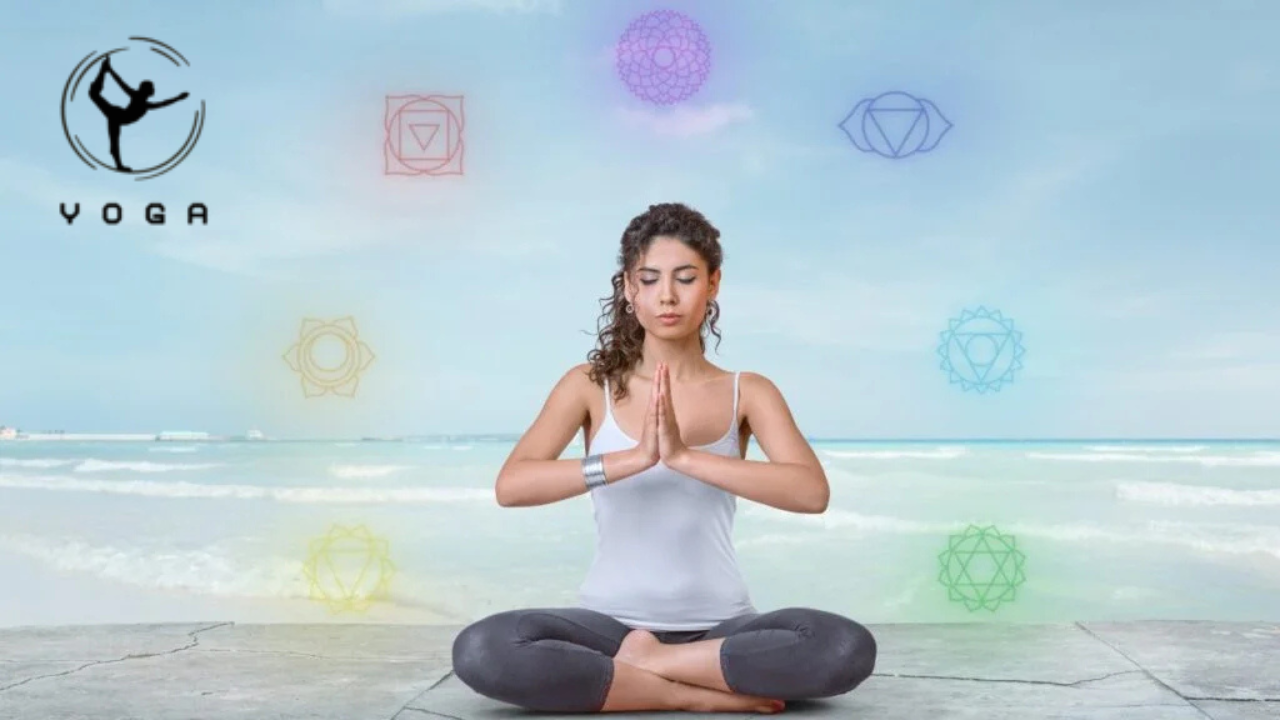
Modern life can leave people feeling anxious, Emotionally Disconnected, mentally overwhelmed, and physically exhausted. That is one reason Base Chakra Yoga has become increasingly popular in recent years. More people are searching for grounding yoga practices that help calm the nervous system, reduce stress, improve emotional balance, and create a stronger connection between mind and body.
Base Chakra Yoga, also known as Root Chakra Yoga or Muladhara Chakra Yoga, focuses on activating and balancing the body’s foundation energy center. This chakra is associated with safety, stability, survival, grounding, and emotional security.
Unlike many spiritual-only chakra articles online, this complete guide combines traditional yoga wisdom with practical movement, breathing techniques, anatomy, nervous system science, and beginner-friendly routines.
In this article, you will learn:
- What the Base Chakra really is
- Signs of imbalance
- The best grounding yoga poses
- Step-by-step yoga sequences
- Breathing methods for anxiety relief
- Root chakra meditation practices
- Safety tips and common mistakes
- Expert techniques to deepen your practice
Whether you are a beginner or experienced yogi, this guide will help you create a safe, stable, and deeply grounding yoga practice.
What Is Base Chakra Yoga?
Base Chakra Yoga is a grounding yoga practice designed to balance the Root Chakra (Muladhara Chakra) — the first energy center in the chakra system.
The Root Chakra is located at the base of the spine and is connected to:
- Safety
- Stability
- Survival
- Emotional security
- Grounding
- Physical connection to the body
In yogic philosophy, when the Root Chakra is balanced, people often feel:
- Calm
- Secure
- Emotionally stable
- Present
- Focused
- Physically energized
When blocked or imbalanced, symptoms may include:
- Anxiety
- Fear
- Restlessness
- Overthinking
- Emotional instability
- Low energy
- Feeling disconnected
Base Chakra Yoga combines:
- Grounding poses
- Slow mindful movement
- Breathwork
- Meditation
- Nervous system regulation
- Body awareness
The goal is to create a sense of inner support and stability.
Understanding the Root Chakra (Muladhara)
Root Chakra Basics
| Aspect | Meaning |
| Sanskrit Name | Muladhara |
| Chakra Number | First Chakra |
| Location | Base of spine |
| Element | Earth |
| Associated Color | Red |
| Seed Mantra | LAM |
| Energy Theme | Safety & Stability |
| Physical Areas | Legs, feet, hips, lower spine |
The Root Chakra acts as the energetic foundation of the body. In yoga philosophy, a stable foundation supports emotional resilience, confidence, and healthy growth.
Signs Your Root Chakra May Be Blocked
Emotional Symptoms
A Root Chakra imbalance may appear emotionally as:
- Fear and insecurity
- Chronic stress
- Difficulty trusting others
- Emotional instability
- Constant worry
- Feeling unsafe
- Burnout and exhaustion
- Disconnection from reality
Physical Symptoms
Physical signs may include:
- Lower back discomfort
- Tight hips
- Fatigue
- Poor posture
- Digestive imbalance
- Muscle tension
- Weak balance
- Feeling physically disconnected
Although chakra theory is spiritual in origin, grounding yoga practices can positively influence stress regulation, breathing patterns, posture, and emotional awareness.
Benefits of Base Chakra Yoga
1. Helps Reduce Anxiety & Stress
Grounding poses encourage slower breathing and body awareness, which may help calm the nervous system.
Standing postures create a sense of physical support and stability that many practitioners find emotionally comforting.
2. Improves Emotional Grounding
Base Chakra Yoga helps shift attention away from racing thoughts and back into the body.
This may improve:
- Emotional regulation
- Presence
- Focus
- Calmness
3. Builds Lower Body Strength
Many Root Chakra poses strengthen:
- Legs
- Glutes
- Hips
- Core muscles
- Ankles
This improves balance and stability.
4. Supports Better Posture
Grounding poses improve body alignment and spinal awareness.
Strong posture may help reduce tension in the lower back and hips.
5. Encourages Nervous System Regulation
Slow breathing and mindful movement may support activation of the parasympathetic nervous system, which is associated with relaxation and recovery.
6. Creates a Sense of Safety
One of the biggest emotional benefits of Base Chakra Yoga is the feeling of stability and inner support.
Many people use grounding yoga practices during stressful life periods.
Best Base Chakra Yoga Poses
1. Mountain Pose (Tadasana)
Benefits
- Improves grounding
- Enhances posture
- Builds body awareness
- Calms the mind
How to Practice
- Stand with feet hip-width apart.
- Spread your toes naturally.
- Press evenly through both feet.
- Engage the legs gently.
- Relax the shoulders.
- Breathe deeply for 5–10 breaths.
Beginner Tip
Imagine your feet rooting into the earth like tree roots.
2. Tree Pose (Vrikshasana)
Benefits
- Improves balance
- Strengthens legs
- Increases concentration
- Supports emotional stability
How to Practice
- Stand tall in Mountain Pose.
- Shift weight onto one foot.
- Place the opposite foot on the ankle or inner thigh.
- Bring hands together at the chest.
- Hold for several breaths.
Common Mistake
Avoid pressing the foot directly against the knee joint.
3. Garland Pose (Malasana)
Benefits
- Opens hips
- Grounds the body
- Improves pelvic mobility
- Releases lower back tension
How to Practice
- Stand with feet slightly wider than hips.
- Lower into a deep squat.
- Bring palms together.
- Keep chest lifted.
- Breathe deeply.
Modification
Place a yoga block under the hips for support.
4. Warrior I (Virabhadrasana I)
Benefits
- Builds confidence
- Strengthens legs
- Improves stability
- Enhances focus
How to Practice
- Step one foot back.
- Bend the front knee.
- Keep hips facing forward.
- Raise arms overhead.
- Hold for 5–8 breaths.
5. Child’s Pose (Balasana)
Benefits
- Calms the nervous system
- Encourages relaxation
- Releases tension
- Creates emotional comfort
How to Practice
- Kneel on the mat.
- Sit hips toward heels.
- Fold forward.
- Extend arms or rest them beside the body.
- Relax deeply.
6. Standing Forward Fold (Uttanasana)
Benefits
- Relieves tension
- Calms the mind
- Improves flexibility
- Encourages grounding
Safety Tip
Keep knees slightly bent if hamstrings are tight.
7. Bridge Pose (Setu Bandhasana)
Benefits
- Strengthens glutes
- Opens hips
- Supports spinal stability
- Builds lower body awareness
Step-by-Step 15-Minute Base Chakra Yoga Sequence
Step 1 — Grounding Breathwork (2 Minutes)
Sit comfortably.
- Inhale slowly through the nose
- Expand the belly gently
- Exhale slowly and fully
Focus attention on the base of the spine.
Step 2 — Mountain Pose (1 Minute)
Stand firmly and focus on grounding through the feet.
Step 3 — Forward Fold (2 Minutes)
Relax the upper body and release mental tension.
Step 4 — Warrior I (2 Minutes)
Build strength and stability through the legs.
Step 5 — Tree Pose (2 Minutes)
Practice focus and emotional balance.
Step 6 — Garland Pose (3 Minutes)
Open the hips and deepen grounding.
Step 7 — Child’s Pose (2 Minutes)
Allow the nervous system to relax fully.
Step 8 — Seated Meditation + LAM Chanting (1 Minute)
Repeat the mantra:
LAM
while breathing slowly.
Proper Form & Alignment
Correct alignment improves both safety and effectiveness.
Alignment Principles
- Keep weight evenly distributed
- Engage the core gently
- Avoid locking joints
- Relax unnecessary tension
- Move slowly and mindfully
Important Areas to Focus On
| Body Area | Alignment Tip |
| Feet | Ground evenly |
| Knees | Track over toes |
| Spine | Maintain neutral posture |
| Shoulders | Relax downward |
| Neck | Keep long and neutral |
Breathing Techniques for Root Chakra Healing
1. Deep Belly Breathing
This breathing style promotes relaxation and grounding.
Instructions
- Place one hand on the belly
- Inhale deeply
- Expand the abdomen
- Exhale slowly
2. Box Breathing
Helpful for stress and emotional overwhelm.
Pattern
- Inhale for 4 seconds
- Hold for 4 seconds
- Exhale for 4 seconds
- Hold for 4 seconds
Repeat several rounds.
3. Alternate Nostril Breathing
This traditional yogic breathing practice may support nervous system balance and mental calmness.
Muscles Targeted in Base Chakra Yoga
Primary Muscles
- Glutes
- Quadriceps
- Hamstrings
- Calves
- Hip stabilizers
- Core muscles
Secondary Areas
- Lower back
- Ankles
- Pelvic floor
- Spinal stabilizers
Grounding poses develop lower body awareness and postural strength.
Beginner, Intermediate & Advanced Variations
Beginner Variations
Best for new practitioners.
Recommended
- Supported Garland Pose
- Wall-assisted Tree Pose
- Gentle Child’s Pose
- Short breathing sessions
Intermediate Variations
For those with some yoga experience.
Recommended
- Longer holds
- Dynamic grounding flows
- Warrior sequences
- Breath coordination
Advanced Variations
For experienced yogis.
Recommended
- Arm balances
- Advanced standing balances
- Long meditation sessions
- Chakra flow sequencing
Duration & Frequency
How Often Should You Practice?
| Experience Level | Recommended Frequency |
| Beginner | 3 times weekly |
| Intermediate | 4–5 times weekly |
| Advanced | Daily practice |
Ideal Session Length
- Quick practice: 10–15 minutes
- Standard session: 20–40 minutes
- Deep practice: 60 minutes
Consistency matters more than intensity.
Common Mistakes to Avoid
1. Rushing Through Poses
Grounding yoga works best slowly.
2. Ignoring Breathwork
Breathing is essential for nervous system regulation.
3. Overstretching
Avoid forcing flexibility.
4. Poor Foot Engagement
The feet are essential in grounding poses.
5. Practicing Without Awareness
Mindful attention is part of the practice.
Safety Tips
Practice Safely by Following These Tips
- Warm up before deep poses
- Avoid pain or sharp Discomfort
- Use props when needed
- Move slowly
- Stay hydrated
- Focus on proper breathing
- Modify poses for injuries
Contraindications
Some individuals should consult a healthcare professional before starting intense yoga practices.
Use Caution If You Have:
- Severe back pain
- Knee injuries
- Hip injuries
- Vertigo
- Balance disorders
- Recent surgery
- Pregnancy complications
A certified yoga instructor can help modify poses safely.
Tips for Beginners
Start Simple
Do not try advanced poses immediately.
Focus on Consistency
Even 10 minutes daily can be beneficial.
Use Props
Yoga blocks, cushions, and straps improve comfort.
Practice Barefoot
This may increase grounding awareness.
Prioritize Breath Over Flexibility
Breath awareness matters more than deep stretching.
Science & Yoga Philosophy Behind Base Chakra Yoga
Traditional Yogic Perspective
In yogic philosophy, the Root Chakra represents the body’s energetic foundation.
It is connected with:
- Survival
- Stability
- Physical identity
- Earth energy
Grounding practices aim to create balance and energetic stability.
Modern Scientific Perspective
Although chakras are spiritual concepts, many Base Chakra Yoga techniques align with evidence-based wellness principles.
Research-Supported Benefits of Yoga Include:
- Stress reduction
- Improved breathing patterns
- Better posture
- Enhanced mindfulness
- Nervous system regulation
- Reduced muscle tension
Slow breathing practices may stimulate the vagus nerve, supporting relaxation responses in the body.
Diet Tips for Root Chakra Balance
Grounding foods are often recommended in traditional wellness practices.
Examples
- Root vegetables
- Potatoes
- Carrots
- Beets
- Lentils
- Whole grains
- Warm soups
- Protein-rich foods
Hydration also supports physical balance and recovery.
Home Workout Suggestions
Combine Base Chakra Yoga With:
- Walking
- Strength training
- Mobility work
- Meditation
- Breathwork
- Nature walks
This creates a more balanced wellness routine.
Base Chakra Yoga vs Other Yoga Styles
| Yoga Style | Main Focus | Energy Level |
| Base Chakra Yoga | Grounding & stability | Calm |
| Power Yoga | Strength & intensity | High |
| Yin Yoga | Deep stretching | Slow |
| Vinyasa Yoga | Flow movement | Moderate |
| Restorative Yoga | Relaxation | Very gentle |
Pros & Cons of Base Chakra Yoga
Pros
- Beginner-friendly
- Reduces stress
- Encourages Mindfulness
- Improves balance
- Builds lower body strength
- Supports emotional grounding
Cons
- Results require consistency
- Some poses may challenge mobility
- Chakra concepts may feel unfamiliar to some beginners
Pro Tips From a Yoga Instructor
1. Slow Down Your Practice
Grounding is more effective with slow, mindful movement.
2. Focus on the Feet
The feet create physical stability and energetic grounding.
3. Use Longer Exhales
Longer exhales may help calm the nervous system faster.
4. Practice at the Same Time Daily
Consistency improves habit formation and emotional regulation.
5. Combine Breath + Movement
This creates a deeper mind-body connection.
FAQs
Base Chakra Yoga is a grounding yoga practice focused on balancing the Root Chakra through poses, breathing exercises, meditation, and mindful movement.
Grounding yoga styles like Hatha Yoga, Yin Yoga, Restorative Yoga, and slow Vinyasa are commonly recommended for Root Chakra balance.
Many practitioners use grounding yoga techniques to support stress reduction, emotional regulation, and relaxation.
Results vary by individual. Consistent practice over several weeks may improve grounding awareness and emotional stability.
Yes. Most grounding yoga practices are beginner-friendly and can be modified safely.
Conclusion
Base Chakra Yoga is far more than a wellness trend. It Combines Grounding Movement, nervous system regulation, mindful breathing, posture awareness, and meditation into one deeply stabilizing practice.
In a world filled with stress, distraction, and emotional overload, grounding yoga can help reconnect people with their bodies, breath, and sense of inner stability.
The key is consistency.
Start with simple poses, focus on slow breathing, and practice mindfully. Over time, Base Chakra Yoga may help improve emotional balance, physical stability, mental calmness, and overall well-being.
Disclaimer
This article is for informational and educational purposes only and does not replace professional medical advice. Consult a qualified healthcare professional before starting any exercise, yoga, or wellness program, especially if you have existing medical conditions or injuries.
