Introduction
If you’re tired of boring crunches and want a more effective way to build strong, defined abs, a Yoga Ball Ab Workout could be the game-changer you need.
Unlike traditional floor exercises, a yoga ball (also known as a stability or Swiss ball) introduces instability. This forces your core muscles to work harder—resulting in greater muscle activation, improved balance, and faster strength gains.
Whether you’re a beginner working out at home or an advanced fitness enthusiast, this guide will teach you:
- The best yoga ball ab exercises
- Step-by-step instructions with perfect form
- A complete workout plan (beginner → advanced)
- Science-backed benefits
- Mistakes that slow your progress
Let’s build your strongest core ever—smartly and safely.
What is a Yoga Ball Ab Workout?
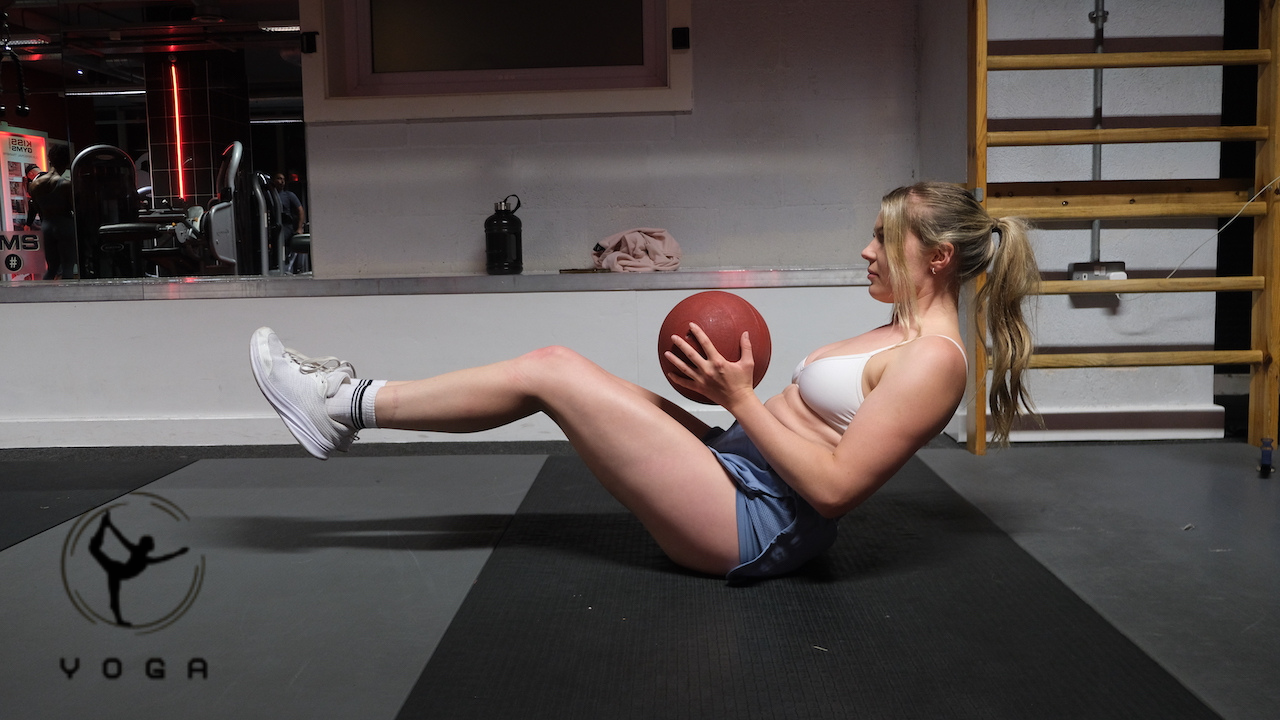
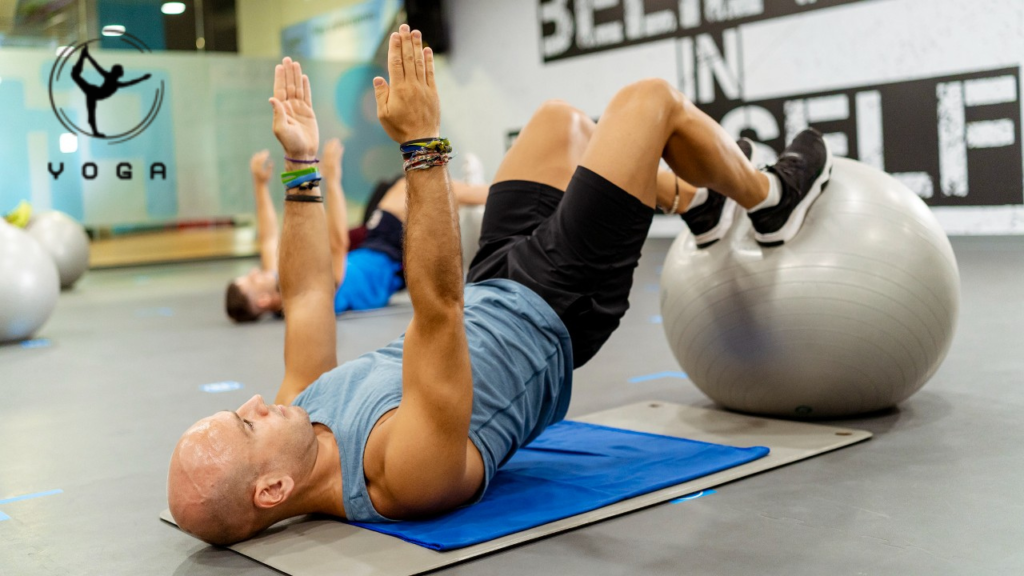
A yoga ball ab workout is a form of core training that uses a stability ball to perform abdominal exercises.
The ball creates an unstable surface, which activates:
- Rectus abdominis (six-pack muscles)
- Obliques (side abs)
- Transverse abdominis (deep core stabilizer)
Unlike floor workouts, your body constantly adjusts to stay balanced—making every movement more effective.
Benefits of Yoga Ball Ab Workouts
Physical Benefits
- Higher core activation than traditional exercises
- Builds functional strength
- Improves posture and spinal alignment
- Reduces the risk of back pain
Mental Benefits
- Enhances focus and coordination
- Improves mind-muscle connection
- Boosts workout engagement
Emotional Benefits
- More enjoyable than repetitive workouts
- Builds confidence with visible progress
- Reduces stress through movement
Step-by-Step Yoga Ball Ab Exercises
1. Stability Ball Crunch
Targets: Upper abs
Steps:
- Sit on the ball and walk your feet forward
- Lower your back onto the ball
- Place your hands behind your head
- Lift your torso slowly using your abs
Tip: Don’t pull your neck—engage your core
2. Ball Rollouts
Targets: Entire core
Steps:
- Kneel and place forearms on the ball
- Slowly roll forward
- Extend your body without arching your back
- Pull back using your core
One of the most powerful core-strengthening exercises
3. Pike on Ball
Targets: Lower abs
Steps:
- Start in a plank with feet on the ball
- Lift hips upward
- Roll the ball toward your chest
- Return slowly
4. Stability Ball Plank
Targets: Deep core stabilizers
Steps:
- Place forearms on the ball
- Keep body straight
- Hold position
Beginner: 20 sec | Advanced: 60 sec
5. Russian Twists on Ball
Targets: Obliques
Steps:
- Sit on a ball, lean back slightly
- Twist your torso side to side
- Keep core tight
Proper Form & Alignment
To maximize results and prevent injury:
- Keep your spine neutral
- Engage your core at all times
- Avoid arching your lower back
- Move slowly and with control
Quality > Quantity
Breathing Technique
- Exhale during effort (e.g., crunch up)
- Inhale during return
Proper breathing improves performance and prevents fatigue.
Muscles Targeted
| Muscle Group | Role |
| Rectus Abdominis | Flexes spine (six-pack) |
| Obliques | Rotation & side bending |
| Transverse Abdominis | Core stability |
| Hip Flexors | Assist movement |
| Lower Back Muscles | Stabilization |
Variations
Beginner
- Seated balance hold
- Ball-Supported crunch
- Wall-assisted plank
Intermediate
- Ball crunch with weight
- Rollouts
- Russian twists
Advanced
- Pike
- V-pass
- Single-leg plank on ball
Duration & Frequency
- Beginners: 10–15 minutes, 3x/week
- Intermediate: 20 minutes, 4x/week
- Advanced: 25–30 minutes, 5x/week
Consistency matters more than intensity
10-Minute Yoga Ball Ab Workout Plan
Beginner
- Crunch – 10 reps
- Plank – 20 sec
- Balance hold – 30 sec
Repeat 2 rounds
Intermediate
- Crunch – 15 reps
- Rollouts – 10 reps
- Twists – 12/side
- Plank – 30 sec
3 rounds
Advanced
- Pike – 12 reps
- Rollouts – 15 reps
- V-pass – 12 reps
- Plank – 60 sec
4 rounds
Common Mistakes to Avoid
- Using momentum instead of muscles
- Not engaging your core
- Choosing the wrong ball size
- Rushing repetitions
- Skipping progression
Safety Tips
- Use a non-slip surface
- Start with basic exercises
- Keep movements controlled
- Stop if you feel pain
Contraindications
Consult a doctor if you have:
- Lower back injuries
- Hernia
- Pregnancy (advanced stages)
- Severe balance issues
Tips for Beginners
- Start slow and focus on form
- Practice balance first
- Use a wall for support
- Gradually increase difficulty
Science Behind Yoga Ball Training
Research shows instability training:
- Increases muscle activation by up to 30–40%
- Improves Neuromuscular coordination
- Engages deeper stabilizing muscles
That’s why yoga ball workouts are more effective than floor-only routines.
Diet Tips for Visible Abs
Abs are built in the gym—but revealed in the kitchen.
- Eat high-protein foods
- Maintain a calorie deficit
- Stay hydrated
- Avoid processed sugar
Home Workout Suggestions
Combine with:
- Full-body strength training
- Cardio (walking, HIIT)
- Yoga for flexibility
Comparison Table: Ball vs Floor Exercises
| Feature | Yoga Ball Workout | Floor Workout |
| Core Activation | High | Moderate |
| Balance Training | Yes | No |
| Fun Factor | High | Low |
| Injury Risk | Low (if proper) | Moderate |
Pros & Cons
Pros
Higher muscle activation
Improves balance
Fun and engaging
Spine-friendly
Cons
Requires equipment
Balance may be difficult initially
Pro. Tips
- Slow tempo = better activation
- Add resistance bands for intensity
- Train abs 3–5x weekly
- Combine with compound exercises
FAQs
Yes. It increases core activation due to instability, making it more effective than traditional exercises.
Absolutely. Start with basic movements and progress gradually.
3–5 times per week for best results.
It strengthens abs—but fat loss requires diet + calorie deficit.
With consistency, results can appear in 4–8 weeks.
Conclusion
A yoga ball ab workout is one of the smartest and most effective ways to build a strong, functional core.
It goes beyond basic crunches by:
- Engaging deeper muscles
- Improving Balance
- Delivering faster results
If you stay consistent, focus on form, and combine it with proper nutrition, you’ll see real transformation.
Disclaimer
This content is for informational purposes only. Consult a healthcare professional before starting any exercise program.
