
Introduction
If you’ve ever felt a sharp, Burning Pain Shooting from your lower back down your leg, you’re likely dealing with sciatica. This condition affects millions worldwide and can severely limit daily movement, sleep, and overall quality of life.
The good news?
Yoga for sciatica can be one of the most effective natural ways to relieve pain, restore mobility, and prevent recurrence.
But here’s the truth most guides ignore:
The wrong yoga can make sciatica worse.
That’s why this expert-backed guide goes beyond generic pose lists. You’ll learn:
- Why sciatica happens (and how yoga fixes it)
- What poses to do—and avoid
- A safe 3-phase recovery plan
- Step-by-step routines for real relief
Whether you’re a beginner or recovering from severe pain, this guide will help you move smarter, not harder.
What is Sciatica?
Sciatica is not a condition itself—it’s a symptom caused by irritation or compression of the sciatic nerve, the longest nerve in your body.
Common Symptoms:
- Sharp or burning pain in the lower back
- Pain radiating down one leg
- Numbness or tingling
- Muscle weakness
Main Causes:
| Cause | Description | Key Trigger |
| Herniated Disc | Disc presses on nerve | Forward bending |
| Piriformis Syndrome | Tight hip muscle compresses nerve | Sitting long hours |
| Spinal Stenosis | Narrow spine canal | Aging |
| Poor Posture | Chronic stress on spine | Desk lifestyle |
Around 90% of cases involve disc or muscle compression.
Benefits of Yoga for Sciatica
Physical Benefits:
- Reduces nerve compression
- Improves spinal alignment
- Strengthens core and glutes
- Increases hip flexibility
Mental Benefits:
- Reduces stress (which worsens pain perception)
- Improves focus and body awareness
Emotional Benefits:
- Builds confidence in movement
- Reduces fear of pain (common in sciatica sufferers)
Yoga for Sciatica: DO vs AVOID
Safe & Effective Movements:
- Gentle back extensions
- Controlled mobility exercises
- Hip openers
- Core strengthening
Avoid These (Critical):
- Deep forward bends
- Toe-touch stretches
- Aggressive twisting
- High-intensity flows (early stage)
These movements increase spinal pressure, worsening nerve irritation.
3-Phase Yoga Plan for Sciatica Recovery
1: Pain Relief (Acute Stage)
Goal: Calm inflammation & reduce pressure
Best Practices:
- Gentle poses only
- No stretching intensity
Recommended Poses:
- Child’s Pose
- Knees-to-Chest
- Reclined Pigeon
Hold softly. Pain = stop.
2: Mobility & Decompression
Goal: Restore movement safely
Add:
- Cat-Cow (slow)
- Pelvic tilts
- Bridge pose
Focus on control, not depth
3: Strength & Prevention
Goal: Prevent recurrence
Add:
- Planks
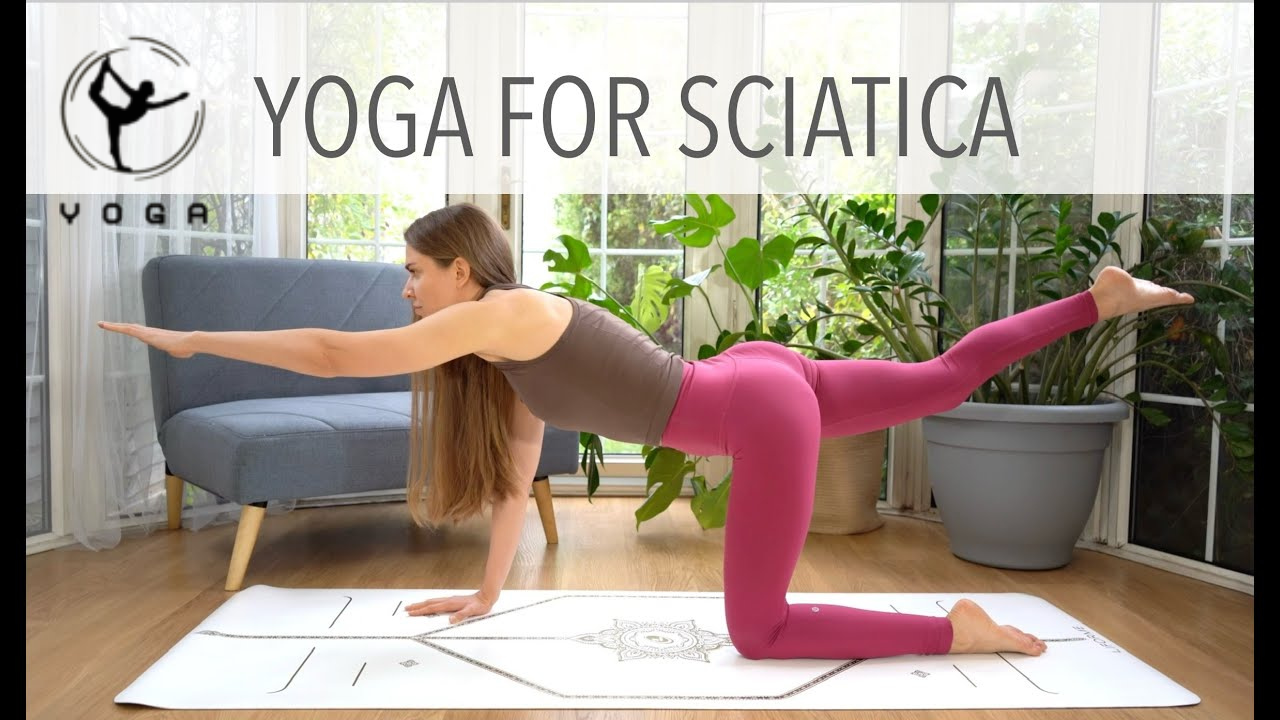
- Bird-dog
- Glute bridges
Strong muscles = less spinal stress
Step-by-Step Yoga Poses for Sciatica
1. Child’s Pose (Balasana)
How to Do:
- Kneel on the floor
- Sit back on heels
- Extend arms forward
- Rest your forehead down
Benefits: Relieves lower back tension
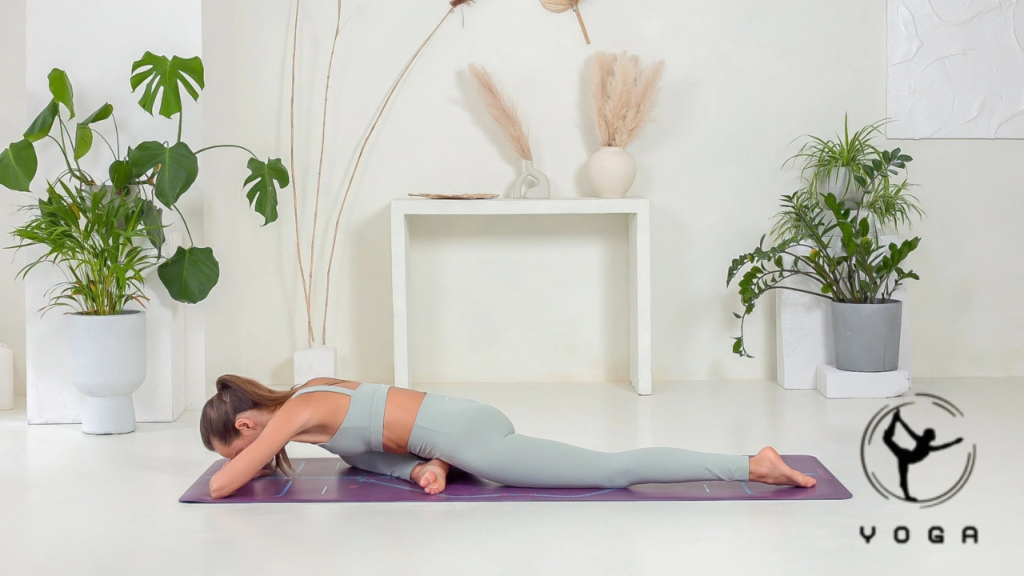
2. Cobra Pose
Steps:
- Lie on your stomach
- Place hands under Shoulders
- Gently lift the chest
Why It Works:
Reduces disc pressure by extending the spine
3. Reclined Pigeon Pose
Steps:
- Lie on your back
- Cross ankle over knee
- Pull leg toward chest
Target: Piriformis muscle
4. Knees-to-Chest
Steps:
- Lie on your back
- Hug both knees
- Hold gently
Effect: Releases lower back tension
5. Bridge Pose
Steps:
- Lie on your back
- Bend knees
- Lift hips slowly
Benefit: Strengthens glutes + core
Proper Form & Alignment
- Keep spine neutral (avoid rounding)
- Move slowly and mindfully
- Engage the core lightly
- Never push into pain
Alignment matters more than flexibility
Breathing Technique
- Inhale: Expand chest
- Exhale: Relax into the pose
Use slow, deep breathing to reduce nerve sensitivity
Muscles Targeted
- Glutes
- Core muscles
- Hip rotators
- Lower back stabilizers
Variations
Beginner:
- Use cushions or bolsters
- Reduce the range of motion
Intermediate:
- Add controlled flow movements
Advanced:
- Include strength-based holds
Duration & Frequency
| Level | Duration | Frequency |
| Beginner | 10 mins | Daily |
| Intermediate | 15–20 mins | 5x/week |
| Advanced | 30 mins | 4–5x/week |
Common Mistakes to Avoid
- Starting too early during severe pain
- Stretching aggressively
- Ignoring sharp pain
- Following random YouTube routines
Safety Tips
- Warm up before yoga
- Avoid jerky Movements
- Stop if pain radiates
- Use props for support
Contraindications
Consult a doctor if you have:
- Severe herniated disc
- Recent surgery
- Loss of bladder/bowel control
- Extreme nerve pain
Tips for Beginners
- Start slow
- Focus on breathing
- Practice consistency over intensity
- Use guided routines
Science Behind Yoga for Sciatica
Yoga works through:
- Decompression: Reduces nerve pressure
- Neuromuscular control: Improves movement patterns
- Strength building: Stabilizes the spine
- Flexibility: Releases tight muscles
Studies show that gentle movement therapy significantly reduces chronic lower back pain.
Diet Tips for Sciatica
Anti-inflammatory foods help reduce pain:
Eat:
- Turmeric
- Leafy greens
- Omega-3 fats
Avoid:
- Processed foods
- Excess sugar
- Fried foods
Home Routine Suggestion (10-Min Plan)
Morning:
- Child’s Pose – 1 min
- Cobra – 5 reps
- Knees-to-Chest – 1 min
Evening:
- Reclined Pigeon – 1 min each side
- Bridge – 10 reps
- Deep breathing
Comparison: Yoga vs Other Treatments
| Method | Benefit | Limitation |
| Yoga | Natural, long-term relief | Needs consistency |
| Medication | Fast relief | Side effects |
| Surgery | Severe cases only | Risky |
| Physical Therapy | Structured rehab | Expensive |
Pros & Cons
Pros:
- Natural pain relief
- Improves flexibility & strength
- Prevents recurrence
Cons:
- Requires patience
- Wrong practice can worsen pain
Pro Tips
- Focus on strength + control, not just stretching
- Avoid forward bends in the early stages
- Train glutes to reduce spinal load
- Practice daily for best results
FAQs
Yes, gentle and targeted yoga helps relieve nerve pressure and improve mobility.
Yes—if you do forward bends or aggressive stretches.
Most people see improvement in 1–3 weeks with consistent practice.
Cobra, Child’s Pose, and Reclined Pigeon are highly effective.
Only gentle poses—avoid intensity.
Conclusion
Yoga for sciatica is one of the most powerful, natural tools for relieving nerve pain—but only when done correctly.
The winning formula:
- Start gentle
- Progress Slowly
- Focus on strength and alignment
- Avoid risky movements
If practiced consistently, yoga can not only relieve pain but also prevent future flare-ups.
Disclaimer
This content is for informational purposes only. Consult a healthcare professional before starting any exercise program, especially if you have a medical condition.
