
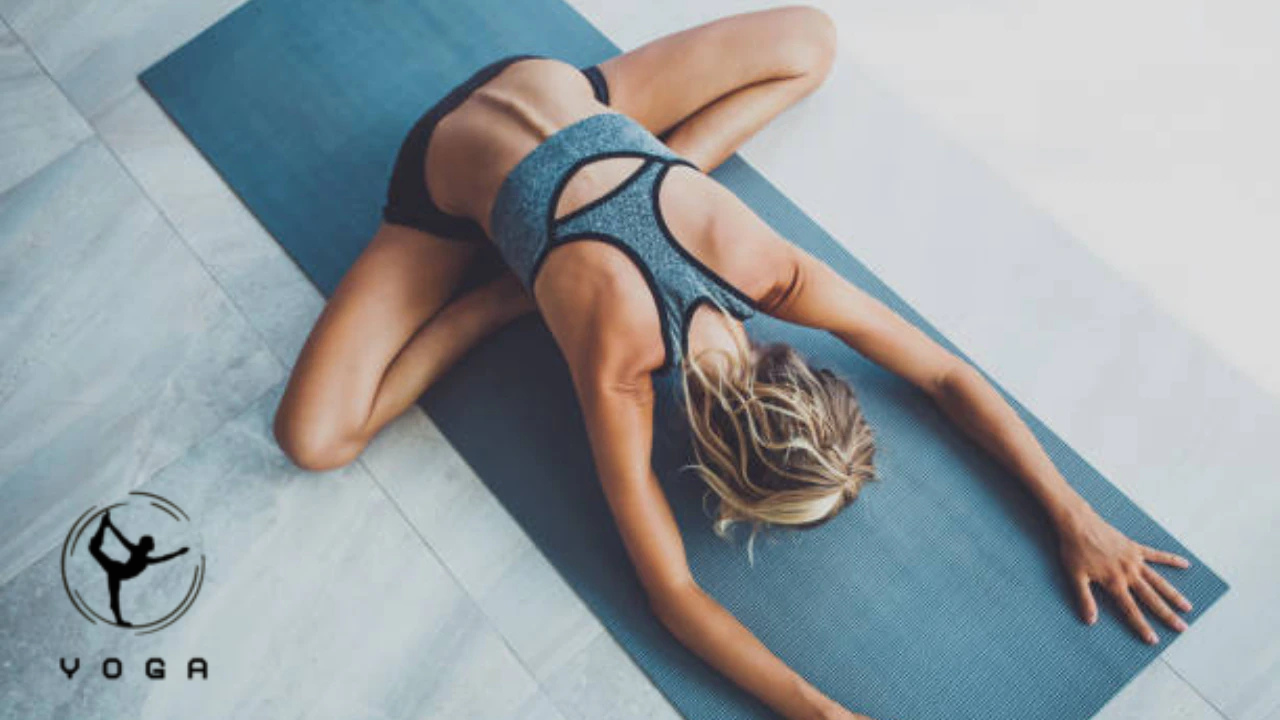
Introduction: Why “Somatic Yoga Near Me” Is Trending in 2026
In 2026, the search term “somatic yoga near me” is expanding rapidly—and that’s no coincidence.
Modern lifestyles are not just busy—they’re mentally draining, physically demanding, and emotionally overwhelming. Many individuals spend countless hours sitting, scrolling through digital Screens, Multitasking, and coping with constant pressure. Over time, this leads to fatigue, burnout, tension, and even persistent discomfort.
Most conventional workouts emphasize intensity, speed, calorie burn, and performance metrics. While these approaches can improve fitness, they often neglect something fundamental:
Your internal bodily experience
This is where somatic yoga introduces a completely different perspective.
Instead of forcing, pushing, or straining your body, somatic yoga encourages you to slow down, tune inward, and reconnect with your physical sensations.
This comprehensive guide will help you deeply understand:
- What somatic yoga actually is
- The neuroscience and physiology behind it
- How to find the best somatic yoga classes near you
- What to expect in a real-life session
- How to begin practicing at home step-by-step
Whether you’re a complete beginner, dealing with stress, recovering from discomfort, or simply curious—this is your complete roadmap.
What Is Somatic Yoga?
Somatic yoga is a gentle, introspective, and body-aware practice that blends:
- Slow, controlled yoga movements
- Conscious breathing techniques
- Internal awareness (interoception)
The term “somatic” originates from the Greek word soma, meaning:
“The living, sensing body”
Core Idea of Somatic Yoga
Rather than forcing your body into shapes or postures, you:
- Move gradually and deliberately
- Observe physical sensations carefully
- Release muscular tension organically
It’s not about appearance—it’s about perception.
Somatic Yoga vs Traditional Yoga
| Feature | Traditional Yoga | Somatic Yoga |
| Focus | External alignment | Internal awareness |
| Speed | Moderate to dynamic | Slow and deliberate |
| Goal | Flexibility & strength | Nervous system regulation |
| Effort | Effortful stretching | Gentle releasing |
| Experience | Performance-oriented | Sensation-oriented |
Simple Understanding:
Traditional Yoga = Doing
Somatic Yoga = Sensing
The Science Behind Somatic Yoga
Somatic yoga works directly with your nervous system, brain pathways, and muscular memory.
Your body operates in two primary modes:
- Sympathetic Nervous System → fight, flight, or stress response
- Parasympathetic Nervous System → rest, recovery, and relaxation
What Happens in Your Body?
When you engage in somatic yoga:
Your brain retrains habitual movement patterns
Chronic tightness begins to dissolve
Stress hormones like cortisol decrease
Your body shifts into a calm, restorative state
Why This Matters
Many people are trapped in long-term tension cycles caused by:
- Emotional stress
- Trauma responses
- Poor posture habits
- Repetitive daily movements
Somatic yoga helps interrupt and reset these patterns
This process is known as:
Neuromuscular re-education
It essentially teaches your brain and body to communicate more efficiently again.
Key Benefits of Somatic Yoga
1. Reduces Stress & Anxiety
Gentle movement combined with mindful breathing activates your relaxation response.
You feel calmer, grounded, and mentally clearer.
2. Relieves Chronic Pain
Somatic yoga is particularly helpful for:
- Lower back discomfort
- Neck stiffness
- Shoulder tightness
Instead of masking pain, it addresses the root cause—muscle memory and tension.
3. Improves Mind-Body Connection
You develop deeper awareness of:
- Movement patterns
- Areas of restriction
- Emotional-physical connections
4. Enhances Sleep Quality
Relaxation techniques help regulate your nervous system, allowing you to:
- Fall asleep more easily
- Experience deeper rest
5. Supports Emotional Healing
Somatic practices are often integrated into therapeutic settings.
They help safely release stored stress and emotional tension.
6. Improves Posture & Mobility
By releasing tight muscles and restoring balance, you naturally:
- Stand taller
- Move more freely
- Reduce strain on joints
How to Find the Best “Somatic Yoga Near Me”
Searching online is simple—but choosing wisely makes all the difference.
Where to Look
- Google Maps
- Local yoga studios
- Wellness centers
- Therapy clinics
- Community spaces
Keywords to Use
Refine your search using:
- Somatic yoga near me
- Somatic movement therapy
- Trauma-informed yoga classes
- Gentle yoga sessions
- Restorative yoga near me
What to Look for in a Quality Class
Choose a class that emphasizes:
- Slow pacing
- Breath awareness
- Trauma-sensitive communication
- Small, supportive groups
Pro Tip:
Don’t just pick the nearest option—choose an instructor who prioritizes awareness over aesthetics.
What Happens in a Somatic Yoga Class?
Your first experience may feel unfamiliar—but deeply calming.
Environment
- Quiet, peaceful setting
- Soft lighting
- Supportive props (blankets, bolsters, mats)
Typical Class Structure
1. Body Scan Meditation
You observe sensations, tension, and breathing patterns.
2. Gentle Micro-Movements
Small, Controlled actions like:
- Tilting
- Rolling
- Subtle stretching
3. Breathwork
Slow, deep breathing enhances relaxation.
4. Rest & Integration
You pause to let your body absorb changes.
Classes are typically:
- Slow-paced
- Ground-based
- Beginner-friendly
Step-by-Step: How to Start Somatic Yoga at Home
You don’t need a studio to begin your journey.
Beginner Routine (10–15 Minutes)
1. Body Scan (3–5 Minutes)
Lie down and observe areas of tightness and breath flow.
2. Gentle Movements
Try:
- Cat-cow
- Pelvic tilts
- Shoulder rotations
3. Slow Stretching
Move gently without forcing any position.
4. Breathing Practice
- Inhale deeply
- Exhale slowly
5. Rest (2–3 Minutes)
Allow complete relaxation.
Proper Form & Alignment
Somatic yoga is not rigid or strict.
Key principles:
- Stay Comfortable
- Avoid pain
- Focus on sensation, not perfection
Your body is your teacher.
Breathing Techniques in Somatic Yoga
Breathwork plays a central role.
How to Breathe
- Inhale through your nose
- Expand your abdomen
- Exhale slowly and fully
This stimulates your parasympathetic nervous system.
Muscles Targeted in Somatic Yoga
This practice focuses on deep, often neglected muscles:
- Core stabilizers
- Lower back muscles
- Hip flexors
- Neck and shoulder muscles
These areas commonly store stress and tension.
Variations: Beginner to Advanced
Beginner
- Floor-based
- Gentle movements
- Minimal effort
Intermediate
- Standing sequences
- Increased control
- Longer holds
Advanced
- Complex movement patterns
- Deeper nervous system engagement
Common Mistakes to Avoid
Avoid these common errors:
Moving too quickly
Forcing stretches
Ignoring discomfort
Treating it like a workout
Golden Rule: Less effort leads to better outcomes.
Safety Tips
- Move slowly and mindfully
- Stop if you feel pain
- Stay hydrated
- Use supportive props
Who Should Be Careful
Consult a professional if you have:
- Serious injuries
- Neurological conditions
- Recent surgical procedures
Beginner Tips for Faster Progress
- Start with 10 minutes daily
- Maintain consistency
- Practice in a quiet space
- Be patient with progress
Results develop gradually—but they are long-lasting.
Duration & Frequency
| Level | Duration | Frequency |
| Beginner | 10–15 minutes | 3–4 times/week |
| Intermediate | 20–30 minutes | 4–5 times/week |
| Advanced | 30–45 minutes | Daily |
Cost of Somatic Yoga Classes
| Type | Price Range |
| Group Classes | $10–$30 |
| Private Sessions | $50–$150 |
| Online Classes | Free–$20/month |
Online classes are more affordable
In-person sessions provide better guidance
Online vs Local Classes
| Option | Best For |
| Local Classes | Hands-on experience |
| Online Classes | Flexibility and convenience |
Best Approach:
Start online → transition to in-person learning
Who Should Try Somatic Yoga?
Ideal for:
- Office workers
- Individuals with anxiety
- People experiencing chronic pain
- Beginners
- Those recovering from burnout
Philosophy Behind Somatic Yoga
Somatic yoga is rooted in timeless principles:
- Awareness (Svadhyaya)
- Non-violence (Ahimsa)
- Mindfulness
It teaches you to cooperate with your body—not control it.
Diet Tips to Support Somatic Yoga
Nutrition enhances relaxation and recovery.
Recommended Foods
- Water
- Herbal teas
- Fruits and vegetables
- Nuts and seeds
Magnesium-rich foods support muscle relaxation.
Simple Home Practice Ideas
- Morning body scan
- Evening relaxation session
- Desk mobility exercises
Even a few minutes daily can create noticeable change.
Pros & Cons of Somatic Yoga
Pros
- Beginner-friendly
- Reduces stress
- Enhances awareness
- Helps relieve pain
- No equipment required
Cons
- Results take time
- Not focused on weight loss
- Requires patience and consistency
FAQs
Somatic yoga focuses on internal awareness and nervous system regulation, while regular yoga focuses more on posture and flexibility.
3–5 times per week is ideal.
Yes, it is one of the best styles for beginners.
Yes, it calms the nervous system and reduces stress.
Yes, many people start at home with simple routines.
Conclusion
If you searched for “somatic yoga near me”, you’re likely seeking:
- Relief from tension
- Mental Calmness
- A deeper connection with your body
Somatic yoga offers all of this—and more.
It is not about pushing harder.
It is about listening more deeply.
Your Next Step
Start today with just 10 minutes
Try a local class this week
Stay consistent in your practice
Remember:
Slow is powerful
Awareness is healing
Your body already knows the way
If this guide helped you, explore more wellness content, share it, and begin your somatic yoga journey today.
