
Introduction
If you’ve been searching for “yoga at the rock”, you’re not just looking for another yoga class—you’re exploring one of the most powerful, immersive wellness experiences available today.
Unlike studio yoga, this practice blends movement, nature, energy, and community into something unforgettable. Whether it’s a large-scale sunrise event or a peaceful solo session on natural rocks, the experience goes far beyond stretching.
Here’s the truth most websites miss:
Yoga at the rock is not about perfection—it’s about presence.
In this complete 2026 guide, you’ll learn:
- What yoga at the rock really is
- What it feels like (honest experience)
- How to prepare like a pro
- What to bring
- Common Mistakes
- Safety tips backed by yoga science
By the end, you’ll be fully ready to experience it confidently and safely.
What Is Yoga at the Rock?
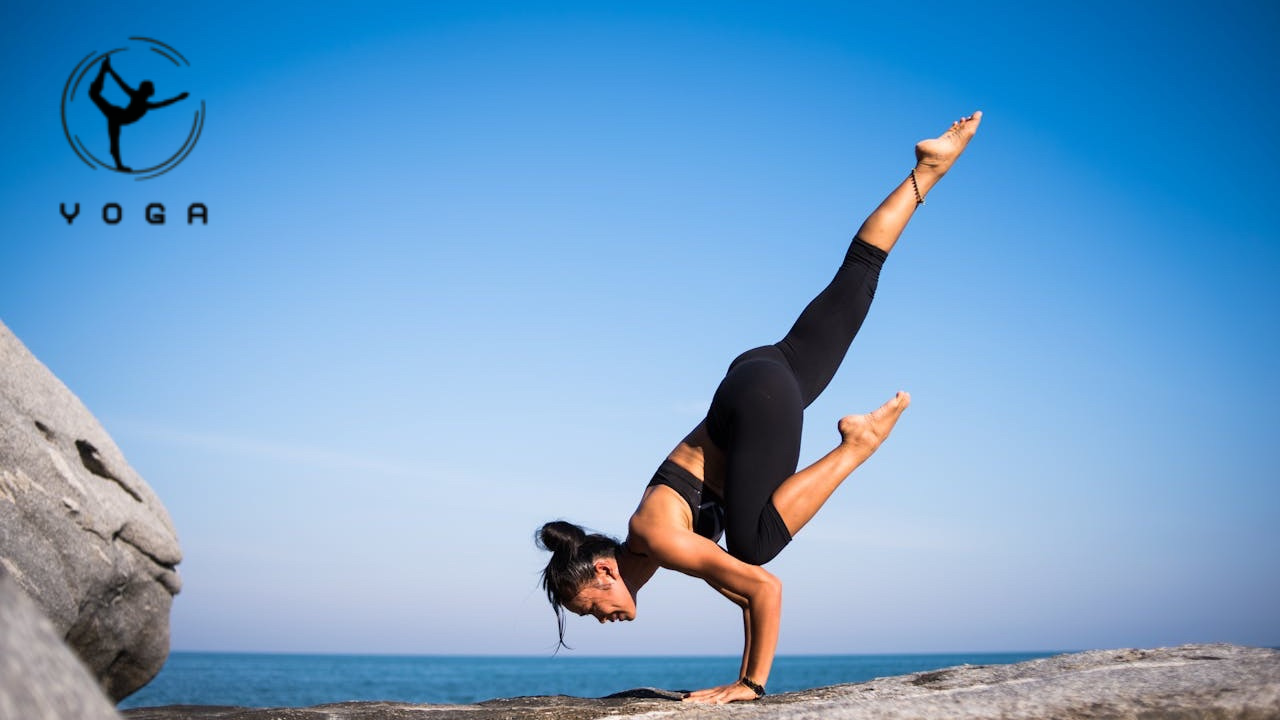
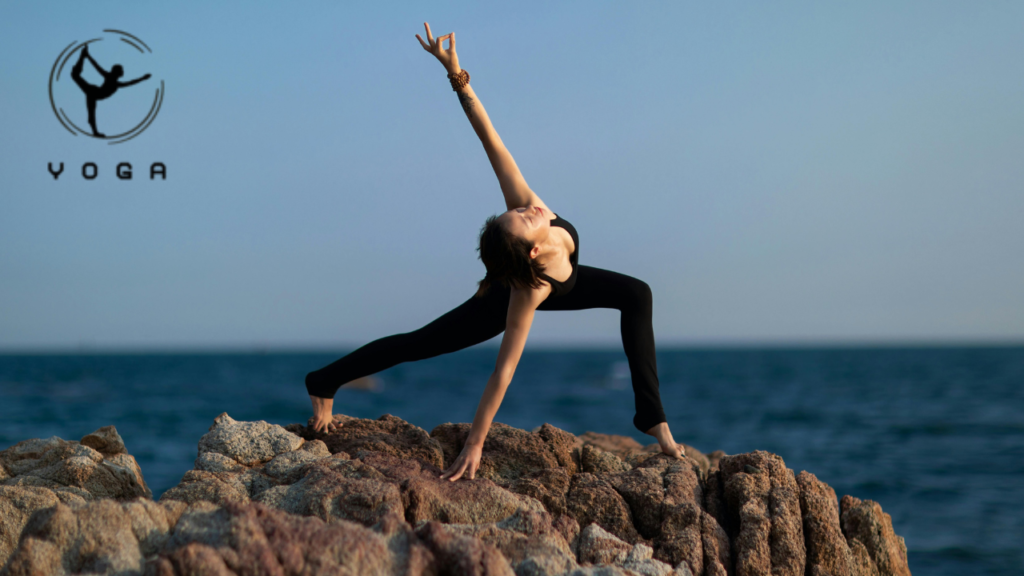
Yoga at the rock refers to practicing yoga on natural rock surfaces or attending large outdoor yoga events held in rocky landscapes or amphitheaters.
It includes:
- Sunrise yoga sessions on elevated rock formations
- Group events in natural amphitheaters
- Solo yoga in nature (mountains, cliffs, hills)
Key Characteristics:
- Uneven surfaces (challenge your balance)
- Outdoor environment (wind, sun, temperature)
- Strong sensory experience (views, sounds, energy)
Unlike studio yoga, this is a multi-sensory, full-body experience.
Why Yoga at the Rock Is So Popular
1. Deep Connection with Nature
Practicing outdoors activates what science calls biophilia—our natural connection to nature.
Benefits include:
- Reduced cortisol (stress hormone)
- Improved mood
- Enhanced mindfulness
2. Increased Strength & Stability
Rocks create an unstable surface, which activates:
- Core muscles
- Stabilizers
- Ankles and joints
This improves balance and injury resilience.
3. Mental Clarity & Stress Relief
The combination of:
- Fresh air
- Natural light
- Movement
…creates a powerful mental reset effect.
4. Unmatched Experience
Imagine:
- Sun rising over mountains
- Hundreds moving in sync
- Cool air, warm sunlight
That emotional impact is why people say:
“It’s worth it—even if you don’t do every pose perfectly.”
The Yoga at the Rock Experience (Honest Reality)
What You’ll Love
- Electric group energy
- Stunning panoramic views
- A sense of community
- A once-in-a-lifetime atmosphere
What Might Surprise You
- Large crowds (sometimes 500–2000 people)
- Limited visibility of instructor
- Hard surfaces under your mat
- Early wake-up times (often before sunrise)
Reality Check:
This is not a quiet studio class
It’s an experience-first yoga event
Step-by-Step: How to Prepare for Yoga at the Rock
1: Choose Your Session
- Event-based (tickets required)
- DIY outdoor yoga (free & flexible)
2: Check Weather Conditions
Outdoor yoga = unpredictable environment
Watch for:
- Temperature swings
- Wind
- Sun intensity
3: Pack Smart (Essentials)
- Non-slip yoga mat
- Water bottle
- Light layers
- Small towel
4: Arrive Early
- Secure a flat spot
- Avoid crowds
- Settle mentally
5: Warm-Up Properly
Cold muscles + uneven ground = risk
Do:
- Gentle stretches
- Joint mobility
6: Focus on Breath, Not Perfection
This is the biggest mindset shift
Proper Form & Alignment (Outdoor Adjustments)
Practicing on rocks requires modifications:
Key Adjustments:
- Widen your stance for stability
- Bend knees slightly in standing poses
- Engage your core constantly
Example: Downward Dog Outdoors
- Keep heels slightly lifted
- Focus on spine length, not depth
- Adjust hands for grip
Stability > flexibility outdoors
Breathing Technique
Use slow, controlled breathing:
Recommended Method:
- Inhale through nose (4 seconds)
- Exhale slowly (6 seconds)
Benefits:
- Improves balance
- Enhances focus
- Reduces anxiety
Muscles Targeted
Yoga at the rock activates more muscles than studio yoga:
Primary Muscles:
- Core (abs, obliques)
- Glutes
- Hamstrings
- Shoulders
Secondary Muscles:
- Ankles
- Feet stabilizers
- Lower back
It’s a functional full-body workout
Variations
Beginner
- Seated poses
- Gentle stretches
- Basic sun salutations
Intermediate
- Standing flows
- Balance poses
- Warrior Sequences
Advanced
- Single-leg balance poses
- Arm balances
- Dynamic flows
Duration & Frequency
- Typical session: 60–75 minutes
- Frequency: 1–3 times per week
For beginners:
Start once weekly
Common Mistakes to Avoid
Arriving Late
Leads to:
- Poor spot
- Distraction
Using Thin Mats
Rocks = discomfort + instability
Ignoring Hydration
Outdoor sessions = more sweat
Expecting Perfection
This ruins the experience
Safety Tips
- Choose stable surfaces
- Avoid slippery rocks
- Stay hydrated
- Wear proper footwear (before/after session)
- Listen to your body
Contraindications
Consult a professional if you have:
- Joint injuries
- Balance disorders
- Severe back pain
- Recent surgery
Tips for Beginners
- Start with easy poses
- Focus on breathing
- Don’t compare yourself
- Take breaks anytime
Progress naturally
Science & Yoga Philosophy Behind It
Yoga at the rock aligns with:
Grounding Theory
Direct contact with natural surfaces may:
- Reduce inflammation
- Improve mood
Mindfulness Principles
Outdoor yoga enhances:
- Present-moment awareness
- Sensory engagement
Nervous System Regulation
Nature + movement activates:
- Parasympathetic system (relaxation mode)
Diet Tips for Outdoor Yoga
Before session:
- Light meal (banana, nuts)
- Hydration
After session:
- Protein + carbs
- Electrolytes
Home Workout Alternative
Can’t access rocks?
Try:
- Yoga on uneven surfaces (grass, sand)
- Balance training at home
- Outdoor park yoga
Yoga at the Rock vs Studio Yoga
| Feature | Yoga at the Rock | Studio Yoga |
| Environment | Outdoor | Indoor |
| Focus | Experience | Technique |
| Surface | Uneven | Flat |
| Energy | High | Calm |
| Difficulty | Moderate | Adjustable |
Pros & Cons
Pros
- Unique experience
- Better balance training
- Mental clarity
- Connection with nature
Cons
- Crowds
- Weather dependency
- Less instructor attention
- Hard surfaces
Expert Pro Tips (Game-Changers)
- Arrive 30–45 minutes early
- Choose slightly elevated spots
- Bring a thicker mat
- Focus on breath, not poses
- Stay after session to absorb the environment
FAQs
Yes. Most sessions are designed for all levels, including beginners.
Absolutely—especially if you value experience, nature, and community energy.
A yoga mat, water, layers, and optional sunglasses.
At least 30–45 minutes early for the best experience.
Conclusion
Yoga at the Rock is more than a workout—it’s an experience that combines movement, nature, and mindfulness powerfully.
If you:
- Love outdoor experiences
- Want something different from studio yoga
- Enjoy Community Energy
Then this is one of the most transformative yoga practices you can try in 2026.
Take your time, prepare properly, and most importantly—
Enjoy the moment.
Disclaimer
This content is for informational purposes only. Consult a healthcare professional before starting any new exercise program.
