Introduction
A yoga swing is no longer just a trend—it’s a powerful fitness and therapy tool transforming how people practice yoga. Whether you want to relieve back pain, improve flexibility, or Build Full-Body Strength, this suspended hammock system offers benefits that traditional yoga alone often can’t match.
In today’s sedentary lifestyle, spine compression, poor posture, and stress are common problems. A yoga swing solves these by combining aerial yoga, inversion therapy, and strength training into one simple system.
This guide is designed by a certified yoga instructor and fitness expert, so you’ll learn not just what to do—but how to do it safely and effectively.
By the end, you’ll know exactly how to:
- Use a yoga swing at home
- Perform beginner to advanced poses
- Avoid common mistakes
- Choose the best swing for your needs
What is a Yoga Swing?
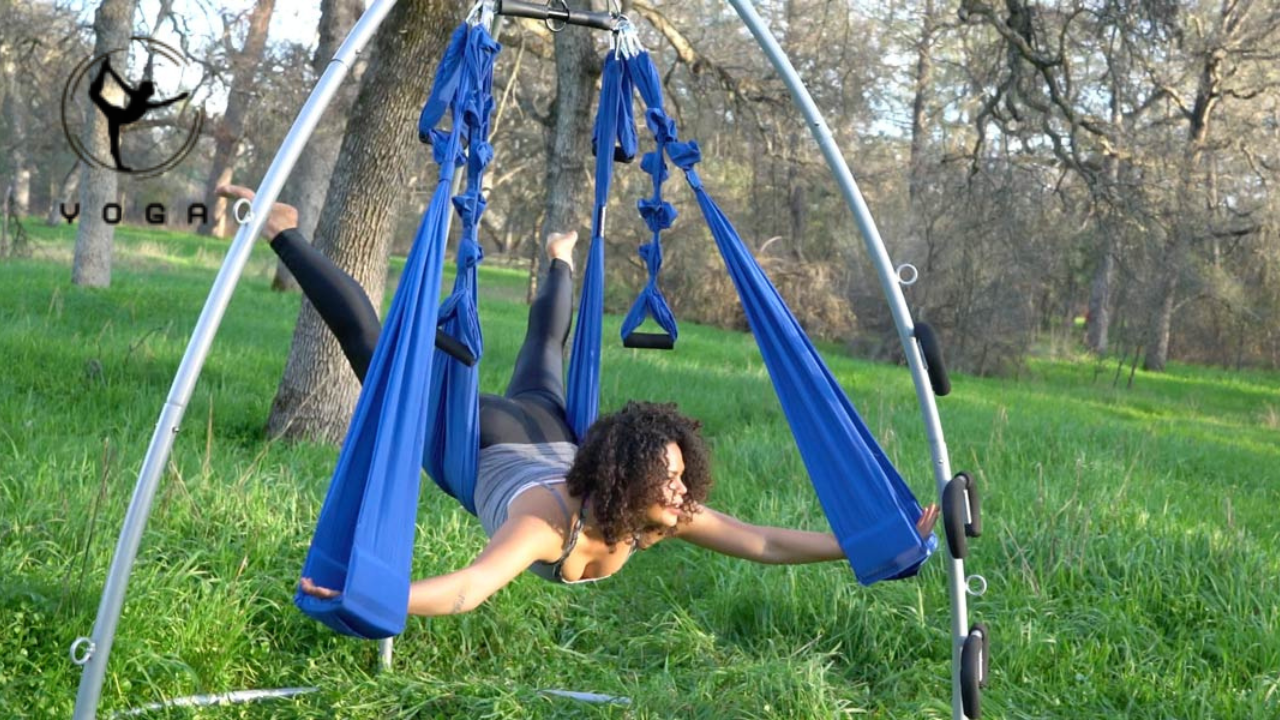
A yoga swing (also called a yoga hammock or aerial yoga trapeze) is a strong fabric sling suspended from a ceiling, bar, or tree. It supports your body weight, allowing you to perform yoga poses in the air.
Key Features:
- Durable nylon or parachute fabric
- Handles for grip support
- Adjustable straps
- High weight capacity
Used For:
- Aerial yoga
- Inversion therapy
- Rehabilitation exercises
- Deep stretching
Simple Definition (Featured Snippet):
A yoga swing is a suspended hammock used to perform yoga poses in the air, helping improve flexibility, strength, and spinal health.
How Does a Yoga Swing Work?
The swing works by reducing the load on your joints and spine.
Instead of forcing your body into positions, the swing:
- Supports your weight
- Assists movement
- Uses gravity to deepen stretches
Scientific Advantage:
When you hang partially or fully inverted:
- The spine decompresses
- Blood circulation improves
- Muscle tension decreases
This creates a low-impact, high-benefit workout system.
Top Benefits of Using a Yoga Swing
1. Spinal Decompression (Back Pain Relief)
One of the biggest benefits. Hanging upside down creates space between vertebrae.
Reduces pressure
Improves posture
Relieves lower back pain
2. Improved Flexibility
The swing allows deeper stretches without strain.
Safer stretching
Better mobility
Reduced stiffness
3. Full-Body Strength
You engage multiple muscle groups:
- Core
- Arms
- Back
- Legs
4. Better Balance & Coordination
The instability of the swing improves neuromuscular control.
5. Mental Health Boost
Aerial movement releases endorphins and reduces stress.
Improves mood
Enhances focus
Reduces anxiety
6. Easy Inversions
Unlike traditional yoga, inversions are beginner-friendly.
Yoga Swing vs Traditional Yoga
| Feature | Yoga Swing | Traditional Yoga |
| Support | High | Low |
| Difficulty | Beginner-friendly | Moderate |
| Stretch Depth | Deep | Limited |
| Inversions | Easy | Challenging |
| Joint Pressure | Low | Moderate |
| Fun Factor | Very High | Moderate |
Beginner Yoga Swing Poses
1. Supported Forward Fold
- Hold handles
- Lean forward
- Relax spine
2. Floating Plank
- Feet in swing
- Hands on the floor
- Engage core
3. Inverted Butterfly
- Sit in a swing
- Lean back slowly
- Allow gentle inversion
4. Hip Opening Stretch
- Sit in a Hammock
- Open knees outward
How to Use a Yoga Swing (Step-by-Step)
- Adjust swing to hip height
- Sit gently into the hammock
- Hold handles firmly
- Start with simple poses
- Gradually try inversions
Beginner Tip: Move slowly and stay controlled.
Proper Form & Alignment
Good form prevents injuries and improves results.
Keep core engaged
Avoid collapsing shoulders
Maintain neutral spine
Distribute weight evenly
Breathing Technique
Breathing enhances performance and relaxation.
- Inhale → prepare movement
- Exhale → deepen stretch
- Maintain slow, steady breathing
Muscles Targeted
- Core (abs, obliques)
- Back (erector spinae)
- Shoulders
- Glutes
- Hamstrings
Variations
Beginner:
- Supported poses
- Partial weight support
Intermediate:
- Core-focused exercises
- Balance challenges
Advanced:
- Full inversions
- Dynamic movements
Duration & Frequency
- Beginners: 10–20 minutes
- Intermediate: 20–40 minutes
- Frequency: 2–4 times/week
How to Set Up a Yoga Swing at Home
Installation Options:
- Ceiling beam
- Pull-up bar
- Outdoor tree
- Doorframe mount
Set up Essentials:
- Strong anchor point
- Carabiners & straps
- 6–8 ft clearance
Safety Tips (CRITICAL)
- Never exceed the weight limit
- Check installation regularly
- Avoid sudden movements
- Use a yoga mat underneath
- Start with beginner poses
Contraindications
People with:
- Severe vertigo
- Recent surgery
- Glaucoma
- Heart conditions
- Spinal injuries
Always consult a doctor first.
Common Mistakes to Avoid
- Installing on weak surfaces
- Skipping warm-up
- Rushing into inversions
- Poor grip control
- Ignoring safety limits
Tips for Beginners
- Start slow
- Focus on breathing
- Practice near a wall
- Use guided tutorials
- Stay consistent
Science Behind Yoga Swing
Yoga swings combine principles of:
1. Inversion Therapy
Reduces spinal compression
2. Suspension Training
Builds functional strength
3. Myofascial Release
Improves muscle elasticity
Yoga Philosophy Behind It
In yogic tradition, inversions are believed to:
- Improve energy flow
- Enhance focus
- Balance the nervous system
Diet Tips for Better Results
- Stay hydrated
- Eat light before practice
- Include protein for recovery
- Add anti-inflammatory foods
Home Workout Plan (Beginner)
Day 1: Stretching + basic poses
Day 2: Core training
Day 3: Rest
Day 4: Inversion practice
Day 5: Full-body workout
Pros & Cons
Pros:
- Low-impact
- Fun & engaging
- Improves flexibility
- Supports beginners
Cons:
- Requires installation
- Learning curve
- Not suitable for all conditions
Pro Tips
- Combine swing with mat yoga
- Use tempo control
- Focus on breath synchronization
- Progress gradually
FAQs
Yes, it’s actually easier than traditional yoga due to built-in support.
Yes, spinal decompression helps relieve pressure and pain.
2–4 times per week is ideal.
Yes, if done correctly and without medical restrictions.
Yes, with proper anchors and setup.
Conclusion
A yoga swing is more than just a fitness accessory—it’s a complete mind-body transformation tool. It helps you stretch deeper, build strength, and relieve spinal pressure in a way that traditional yoga often cannot.
Whether your goal is Pain Relief, Flexibility, or Strength, this versatile system delivers powerful results when used correctly.
Ready to transform your yoga practice?
Explore more expert guides on theyogafitness.com and take your fitness journey to the next level.
Disclaimer
This content is for informational purposes only and does not replace medical advice. Always consult a healthcare professional before starting any new exercise program.
