Introduction
Hard yoga poses are far more than Impressive Lnstagram Postures. They represent the highest level of balance, flexibility, strength, mobility, body control, and mental focus within yoga practice. From arm balances and inversions to deep backbends and extreme flexibility poses, advanced yoga challenges every part of the body and mind simultaneously.
Many practitioners rush into difficult yoga poses without proper preparation, which often leads to frustration or injury. True mastery comes from progressive training, intelligent mobility work, breath awareness, and consistent practice over time.
This complete guide will help you safely explore the hardest yoga poses, understand the strength and flexibility requirements behind them, and learn step-by-step methods for building advanced yoga skills. Whether you are working toward your first Crow Pose or dreaming of a One-Handed Handstand, this article provides practical instruction, alignment tips, breathing guidance, common mistakes, modifications, and expert progression strategies.
If practiced mindfully, advanced yoga can dramatically improve total-body strength, confidence, concentration, posture, coordination, and mind-body awareness.
What Are Hard Yoga Poses?
Hard yoga poses are advanced postures that require multiple physical and mental abilities at once. Unlike beginner poses that focus mainly on basic flexibility or relaxation, difficult yoga poses combine:
- Balance
- Strength
- Mobility
- Stability
- Breath control
- Coordination
- Flexibility
- Concentration
These postures often involve:
- Arm balances
- Inversions
- Deep backbends
- Extreme hip opening
- Advanced spinal mobility
- Core compression
Advanced yoga poses are commonly practiced in:
- Ashtanga Yoga
- Power Yoga
- Rocket Yoga
- Vinyasa Yoga
- Iyengar Yoga
The goal is not perfection. The purpose of advanced yoga is to develop greater awareness, discipline, patience, and body control.
What Makes a Yoga Pose Difficult?
A yoga posture becomes difficult when it demands several systems of the body simultaneously.
Key Factors That Increase Difficulty
| Factor | Why It Matters |
| Strength | Supports body weight safely |
| Flexibility | Allows deeper movement range |
| Mobility | Improves joint control |
| Balance | Prevents instability |
| Coordination | Connects movement patterns |
| Breath Control | Maintains calm under stress |
| Mental Focus | Reduces fear and hesitation |
For example, Scorpion Pose requires:
- Shoulder mobility
- Core control
- Spinal flexibility
- Inversion confidence
- Breath awareness
Without one of these elements, the pose becomes extremely challenging.
Benefits of Practicing Hard Yoga Poses
Physical Benefits
- Builds total-body strength
- Improves posture
- Enhances balance and coordination
- Develops core stability
- Increases mobility and flexibility
- Strengthens wrists and shoulders
- Improves body control
Mental Benefits
- Enhances concentration
- Reduces stress
- Improves patience and discipline
- Builds confidence
- Develops mindfulness
Emotional Benefits
- Encourages emotional resilience
- Improves self-awareness
- Creates a sense of achievement
- Supports nervous system regulation
Essential Strength & Flexibility Requirements
Before attempting hard yoga poses, practitioners should develop foundational capabilities.
Strength Benchmarks
You should ideally be able to:
- Hold Plank for 60 seconds
- Perform Chaturanga with control
- Maintain Boat Pose for 45 seconds
- Hold Dolphin Pose comfortably
Flexibility Requirements
Important mobility areas include:
- Hamstrings
- Hip flexors
- Thoracic spine
- Shoulders
- Wrists
- Ankles
Mobility Preparation
Daily mobility training may include:
- Wrist circles
- Shoulder openers
- Hip rotations
- Dynamic lunges
- Cat-Cow stretches
- Active hamstring drills
Best Warm-Up for Advanced Yoga Practice
Skipping warm-ups is one of the biggest causes of yoga injuries.
Recommended Warm-Up Sequence
- Cat-Cow Stretch — 1 minute
- Sun Salutations — 5 rounds
- Wrist Mobility Drills — 2 minutes
- Shoulder Openers — 2 minutes
- Hip Openers — 3 minutes
- Core Activation — 2 minutes
- Hamstring Mobility — 3 minutes
A proper warm-up improves circulation, nervous system activation, and joint lubrication.
Intermediate Hard Yoga Poses
1. Crow Pose (Bakasana)
Why It’s Difficult
Crow Pose requires balance, wrist strength, and strong core engagement.
Benefits
- Strengthens arms and shoulders
- Improves balance
- Builds confidence
- Activates deep core muscles
Step-by-Step Instructions
- Start in a squat position.
- Place palms shoulder-width apart.
- Bend elbows slightly.
- Place knees onto upper arms.
- Shift body weight forward slowly.
- Lift one foot, then the other.
- Gaze slightly forward.
Proper Alignment
- Keep shoulders protracted
- Engage the core strongly
- Avoid collapsing into the wrists
Breathing Technique
- Inhale to prepare
- Exhale while lifting feet
- Maintain slow nasal breathing
Muscles Targeted
- Core
- Deltoids
- Triceps
- Wrist stabilizers
Common Mistakes
- Looking down
- Jumping into the pose
- Holding the breath
Beginner Modification
Place a yoga block under the feet for support.
2. Side Crow Pose
Benefits
- Strengthens obliques
- Improves spinal rotation
- Builds arm balance skills
Pro Tip
Twisting from the thoracic spine rather than the lower back improves stability.
3. Firefly Pose (Tittibhasana)
Requirements
- Flexible hamstrings
- Strong hip flexors
- Core compression strength
Entry Technique
- Start in a deep squat.
- Thread the shoulders under the legs.
- Place palms firmly down.
- Lift hips.
- Extend legs forward.
Common Mistakes
- Rounded upper back
- Bent elbows
- Insufficient core activation
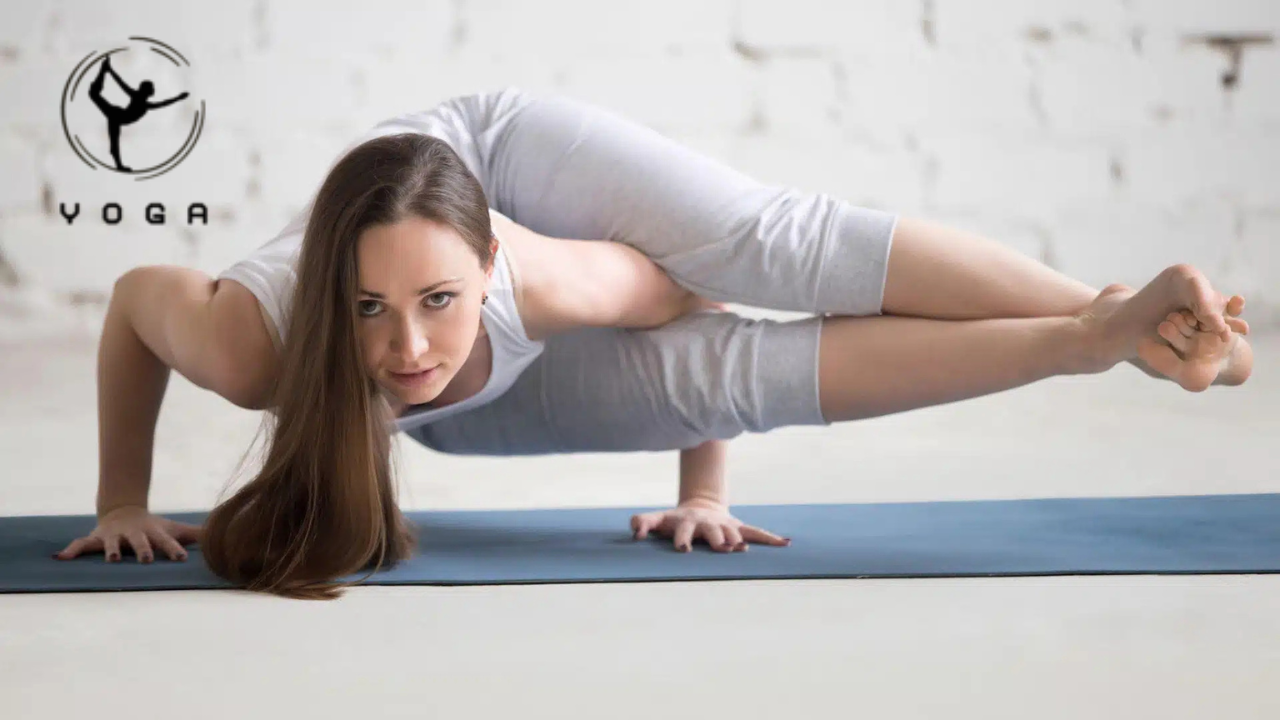
4. Eight-Angle Pose (Astavakrasana)
Benefits
- Builds upper-body strength
- Improves focus
- Strengthens obliques
Safety Tip
Warm wrists thoroughly before practice.
5. Compass Pose
Muscles Targeted
- Hamstrings
- Obliques
- Lats
- Hip rotators
Breathing Cue
Lengthen the spine on every inhale.
Advanced Hard Yoga Poses
6. Handstand (Adho Mukha Vrksasana)
Why It’s Difficult
Handstands require:
- Shoulder strength
- Core control
- Body alignment
- Balance confidence
Step-by-Step Instructions
- Begin in Downward Dog.
- Walk feet closer to hands.
- Kick one leg upward.
- Stack hips over shoulders.
- Engage core and glutes.
- Balance through fingertips.
Alignment Tips
- Keep ribs tucked
- Push strongly through the shoulders
- Maintain neutral spine
Drishti (Gaze Point)
Look slightly between the hands.
Beginner Modification
Practice against a wall.
Common Mistakes
- Overarching the lower back
- Locked breath
- Collapsed shoulders
7. Forearm Stand (Pincha Mayurasana)
Benefits
- Builds shoulder endurance
- Improves inversion confidence
- Strengthens core muscles
Mobility Requirements
- Thoracic extension
- Shoulder flexion
- Core stability
Pro Tip
Press forearms actively into the floor to prevent collapse.
8. Peacock Pose (Mayurasana)
Why It’s Challenging
The elbows compress the abdomen while maintaining horizontal balance.
Benefits
- Strengthens wrists
- Improves body control
- Builds shoulder stability
Contraindications
Avoid if you have:
- Wrist injuries
- Hernia
- High blood pressure
9. Flying Pigeon Pose
Muscles Used
- Glutes
- Core
- Triceps
- Hip stabilizers
Beginner Tip
Master Pigeon Pose and Crow Pose first.
10. Scorpion Pose (Vrischikasana)
Skills Required
- Back flexibility
- Shoulder mobility
- Fear management
- Core control
Step-by-Step Instructions
- Start in Forearm Stand.
- Bend knees slowly.
- Lift the chest forward.
- The arch of the spine gradually.
- Move feet toward head.
Common Mistakes
- Compressing the lower back
- Forcing the backbend
- Losing shoulder engagement
Safety Tip
Practice with a wall initially.
11. Chin Stand (Ganda Bherundasana)
Benefits
- Improves spinal flexibility
- Enhances shoulder opening
- Builds concentration
Warning
This pose should only be attempted after mastering Forearm Stand and Scorpion Pose.
12. Dragonfly Pose
Main Challenges
- Hip mobility
- Core compression
- Rotational stability
13. Full King Pigeon Pose
Muscles Targeted
- Hip flexors
- Quadriceps
- Chest
- Spine
Common Mistakes
- Collapsing lumbar spine
- Forcing flexibility
- Uneven hips
14. Lotus Handstand
Why It’s Advanced
Both Lotus Pose and Handstand require separate mastery before combining them safely.
15. Forearm Hollowback
Requirements
- Exceptional thoracic mobility
- Shoulder strength
- Core stability
Extreme Yoga Poses
16. One-Handed Handstand
Requirements
- Years of handstand training
- Extreme shoulder stability
- Elite balance control
Pro Insight
Finger pressure control determines balance success.
17. Visvamitrasana
Challenges
- Side-body flexibility
- Hamstring mobility
- Arm balance strength
18. Kala Bhairavasana
Requires
- Extreme hamstring flexibility
- Hip mobility
- Core control
19. Yogi Dandasana
Main Benefits
- Improves spinal length
- Enhances hip opening
- Develops balance control
20. Taraksvasana (Handstand Scorpion Variation)
Why It’s Elite
This pose combines:
- Extreme flexibility
- Shoulder control
- Advanced inversion balance
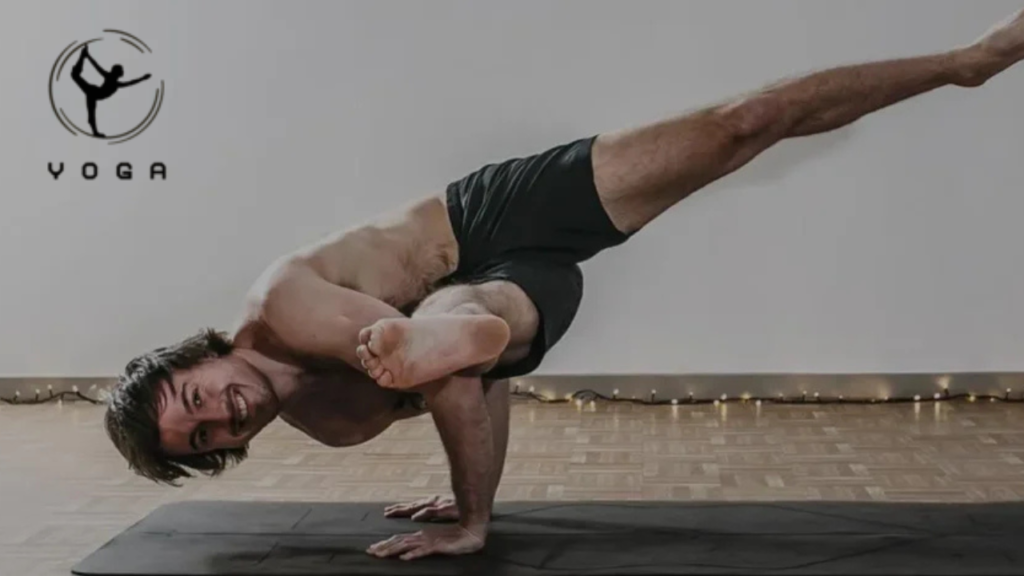
21. Eka Pada Koundinyasana II
Benefits
- Core strengthening
- Shoulder stabilization
- Hip mobility
22. Titibasana Press-Up
Challenge
This dynamic transition requires explosive compression strength.
23. Standing Split Balance
Requirements
- Hamstring flexibility
- Balance control
- Core stability
24. Bound Headstand
Main Difficulty
This variation intensifies spinal and shoulder loading.
25. Full Wheel Dropback
Requirements
- Deep spinal mobility
- Fear management
- Shoulder flexibility
- Leg strength
Proper Form & Alignment Principles
Alignment matters more than depth.
Key Alignment Rules
- Stack joints safely
- Engage the core continuously
- Avoid collapsing into flexibility
- Distribute weight evenly
- Use active mobility, not passive force
Proper alignment reduces injury risk significantly.
Breathing Technique for Advanced Yoga
Breathing controls stability and nervous system regulation.
Recommended Breath Method
Use slow nasal breathing:
- Inhale for expansion
- Exhale for stabilization
Avoid holding your breath during difficult poses.
Why Breath Matters
Breathing helps:
- Improve balance
- Reduce panic
- Enhance endurance
- Maintain concentration
Muscles Targeted in Hard Yoga Poses
| Muscle Group | Function |
| Core | Stabilization |
| Deltoids | Shoulder strength |
| Triceps | Arm support |
| Glutes | Pelvic stability |
| Hip Flexors | Leg lifting |
| Spinal Erectors | Back extension |
| Forearms | Wrist stability |
Variations & Progressions
Beginner Progressions
- Crow Pose Prep
- Dolphin Pose
- Wall Handstand
- Half Pigeon
Intermediate Progressions
- Side Crow
- Forearm Stand
- Firefly Pose
Advanced Progressions
- Scorpion Pose
- Lotus Handstand
- One-Handed Handstand
Progress gradually rather than rushing advanced shapes.
Duration & Frequency
Recommended Training Frequency
| Level | Frequency |
| Beginner | 2–3 sessions weekly |
| Intermediate | 3–5 sessions weekly |
| Advanced | 5–6 sessions weekly |
Session Duration
- Mobility work: 15–20 minutes
- Skill training: 20–40 minutes
- Recovery/stretching: 10–15 minutes
Consistency matters more than intensity.
Common Mistakes in Advanced Yoga
1. Skipping Warm-Ups
Cold muscles increase injury risk.
2. Forcing Flexibility
Aggressive stretching can damage connective tissues.
3. Holding the Breath
Breath restriction reduces stability and focus.
4. Ignoring Pain Signals
Sharp pain should never be ignored.
5. Progressing Too Fast
Master basics before advanced transitions.
Safety Tips Before Trying Hard Yoga Poses
- Warm up thoroughly
- Use props when needed
- Practice near a wall
- Train progressively
- Prioritize recovery days
- Learn from qualified instructors
- Stop immediately if pain occurs
Contraindications
Some individuals should consult a healthcare professional before attempting advanced yoga.
Avoid Advanced Yoga If You Have
- Recent surgery
- Wrist injuries
- Spinal disc issues
- Severe hypertension
- Shoulder instability
- Vertigo
- Pregnancy complications
Always prioritize safety over performance.
Tips for Beginners
If you are new to difficult yoga poses:
- Focus on consistency
- Build foundational strength first
- Practice mobility daily
- Train balance gradually
- Use yoga props
- Avoid comparing yourself to others
Yoga progress is highly individual.
Science Behind Advanced Yoga
Research suggests yoga may improve:
- Proprioception
- Nervous system regulation
- Muscular endurance
- Joint mobility
- Stress management
Advanced poses challenge the vestibular system, coordination patterns, and neuromuscular control, which may improve overall movement efficiency.
Yoga Philosophy Behind Hard Poses
In traditional yoga philosophy, advanced postures are not about ego or performance.
The Deeper Purpose Includes
- Self-discipline
- Mindfulness
- Breath mastery
- Inner awareness
- Mental steadiness
True yoga mastery comes from balance between effort and ease.
Home Workout Suggestions for Advanced Yoga
Strength Circuit
Perform 3 rounds:
- Plank — 45 seconds
- Hollow Hold — 30 seconds
- Pike Push-Ups — 10 reps
- Glute Bridges — 15 reps
- Dolphin Hold — 30 seconds
Mobility Routine
- Hip Openers
- Shoulder Dislocates
- Hamstring Stretching
- Thoracic Rotations
These improve yoga performance significantly.
Best Equipment for Hard Yoga Poses
| Equipment | Purpose |
| Yoga Blocks | Balance assistance |
| Yoga Strap | Flexibility support |
| Wall Space | Inversion practice |
| Wrist Wedges | Reduce wrist strain |
| Resistance Bands | Shoulder activation |
| Yoga Wheel | Backbend mobility |
Pros & Cons of Advanced Yoga
| Pros | Cons |
| Builds strength | Injury risk if rushed |
| Improves mobility | Requires patience |
| Enhances confidence | Can stress wrists |
| Sharpens focus | Demands consistency |
| Improves balance | Advanced poses take time |
Comparison Table: Intermediate vs Advanced vs Extreme Yoga Poses
| Level | Example Poses | Main Requirement |
| Intermediate | Crow Pose, Compass Pose | Balance + Core |
| Advanced | Handstand, Scorpion | Strength + Mobility |
| Extreme | One-Handed Handstand | Elite Control |
FAQs
Many practitioners consider One-Handed Handstand, Scorpion Pose, and Lotus Handstand among the hardest yoga poses due to their extreme demands on strength and balance.
Beginners can start with foundational progressions, but advanced poses should be approached gradually and safely.
Most practitioners need several months to years, depending on consistency, strength, and body awareness.
They can become risky if attempted without preparation, proper alignment, or supervision.
Conclusion
Hard yoga poses challenge the body and mind in extraordinary ways. They develop strength, flexibility, balance, coordination, discipline, and deep body awareness. While advanced yoga postures may look intimidating, safe progression and consistent practice make them achievable over time.
The key is patience. Mastering Difficult yoga poses is not about forcing flexibility or chasing perfection. It is about building intelligent movement patterns, controlled breathing, stability, and mindful awareness.
Start with foundational skills, prioritize recovery, and progress gradually. Over time, even the most advanced yoga postures can become part of your practice journey.
