
Introduction
Distractions in the age of hyper-connection and high-speed digital technologies are not only natural but also inevitable. With the insatiable scrolling of social media feeds, the Overwhelming Workload, the notifications, and mental fatigue, it has become a challenge to stay focused. As a result, discipline has transformed into one of the most valuable yet rare human abilities.
But here is one great fact, of which most people do not make themselves aware:
Discipline is not a natural gift–it must be developed.
It is a thing that can be created, perfected, and reinforced with time by the proper system and with perseverance.
Yoga is one of the strongest, time-tested disciplines ever invented.
Yoga has been misconceived as a physical exercise or relaxation method. As a matter of fact, it is a holistic structure that was originally developed thousands of years ago to establish:
Mental resilience
Emotional stability
Self-regulation
Deep concentration
Consistency and commitment
The ancient yogic doctrines, particularly those based on classical philosophy, focus on the fact that discipline lies at the heart of self-mastery. Yoga was never about flexibility but always about the control of the mind, body, and behavior.
Modern neuroscience and psychology agree with ancient yogis that:
Yoga improves cognitive abilities, decreases stress reactions, and improves neural circuits that are linked to self-control.
In this all-inclusive guide, you will learn:
The actual definition of discipline in yoga.
The science behind self-control and focus
Yoga poses in a step-by-step manner.
Practical uses of everyday discipline.
Plans of comprehensive change.
And we shall plunge deeper into the strong relationship between yoga and discipline.
What Is Discipline in Yoga?
In yogic philosophy, discipline is referred to as Tapas.
What Does Tapas Mean?
Tapas is derived from Sanskrit and symbolizes:
- Inner heat or transformative energy
- Persistent effort
- Self-restraint
- Dedication and consistency
In simple terms:
Discipline in yoga means showing up daily—even when motivation fades.
Deeper Meaning of Discipline
Discipline is not about rigid control or harsh restriction. Instead, it reflects:
- Choosing growth over comfort
- Committing to long-term improvement
- Training the mind to remain steady
- Regulating impulses and reactions
It is not about perfection—it is about persistence.
Discipline evolves through repeated action, not sudden inspiration.
What Makes Yoga a Discipline System?
Many individuals assume yoga is limited to physical postures. However, this perception is incomplete.
Yoga is a holistic system of self-development.
It integrates multiple dimensions:
1. Asana (Physical Regulation)
- Structured body movements
- Development of strength and flexibility
- Enhancement of bodily awareness
- Cultivation of physical discipline
2. Pranayama (Breath Regulation)
- Controlled breathing patterns
- Emotional stabilization
- Improved mental clarity
- Increased focus and calmness
3. Meditation (Mental Conditioning)
- Deep awareness
- Concentration enhancement
- Thought regulation
- Cognitive clarity
4. Yama & Niyama (Ethical Framework)
- Behavioral discipline
- Personal responsibility
- Moral awareness
- Lifestyle alignment
Together, these elements form a structured system that strengthens discipline across all areas of life.
Benefits of Yoga for Discipline
Yoga enhances discipline across three interconnected domains:
Mental Advantages
- Improves attention span and focus
- Strengthens decision-making ability
- Reduces impulsive tendencies
- Enhances cognitive awareness
You become more intentional and less reactive.
Emotional Advantages
- Better emotional regulation
- Reduced anxiety and stress
- Increased patience and tolerance
- Greater inner calm
Emotional stability leads to better choices.
Physical Advantages
- Increased endurance and stamina
- Improved posture and alignment
- Enhanced energy levels
- Greater body control
A controlled body supports a disciplined mind.
The 5 Pillars of Discipline in Yoga
These foundational principles create a strong base for discipline:
1. Tapas (Self-Discipline)
- Daily effort
- Consistency
- Stepping beyond comfort zones
This is the driving force of discipline.
2. Yama (External Discipline)
Includes principles like:
- Non-violence
- Truthfulness
- Self-restraint
Shapes behavior and interactions.
3. Niyama (Internal Discipline)
Includes:
- Cleanliness
- Self-study
- Contentment
Builds internal order and clarity.
4. Asana (Physical Control)
- Holding postures
- Building patience
- Enhancing endurance
Trains both body and mind simultaneously.
5. Pranayama (Breath Mastery)
- Breath awareness
- Emotional control
- Focus Enhancement
Breath control equals mind control.
How Yoga Builds Discipline in Daily Life
Yoga extends far beyond the mat—it transforms daily living.
1. Enhances Time Management
Regular practice introduces structure into your routine.
You begin to organize your day more effectively.
2. Improves Focus
Yoga trains your mind to remain present.
Reduces distractions significantly.
3. Increases Productivity
Disciplined individuals:
- Complete tasks efficiently
- Avoid procrastination
- Maintain consistency
4. Reduces Stress Levels
Yoga lowers cortisol and stress hormones.
Better decisions come from a calm mind.
5. Builds Positive Habits
You naturally develop:
- Healthy routines
- Better sleep cycles
- Positive thinking patterns
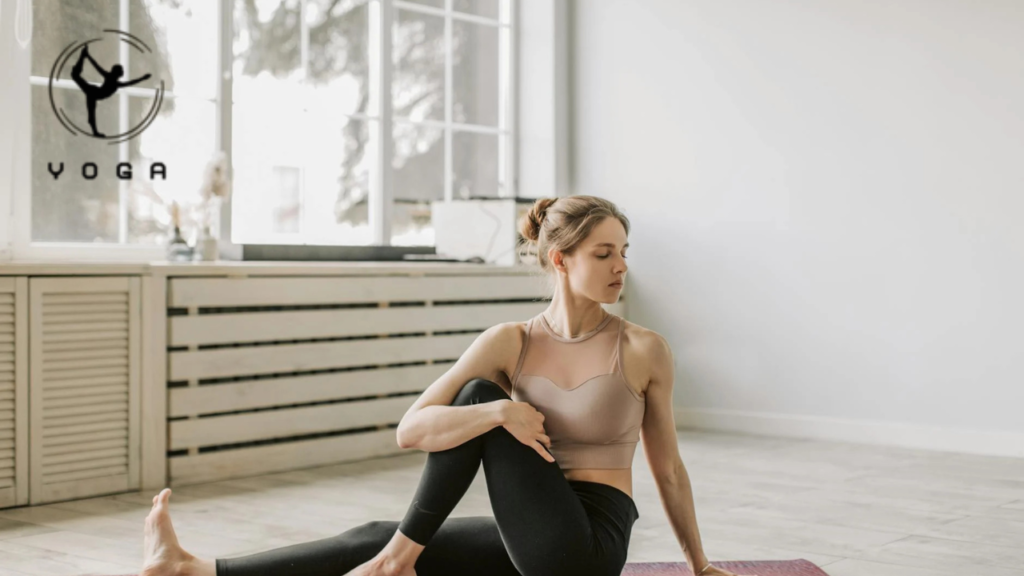
Step-by-Step Yoga Routine to Build Discipline
Beginner Routine (20–30 Minutes)
| Step | Practice | Duration | Purpose |
| 1 | Deep Breathing | 5 min | Calm mind |
| 2 | Sun Salutations | 10 min | Build rhythm |
| 3 | Basic Poses | 10 min | Strength + focus |
| 4 | Meditation | 5 min | Mental discipline |
Golden Rule:
Consistency is more powerful than intensity.
Proper Form & Alignment
Correct posture accelerates disciplined progress.
Follow these guidelines:
- Maintain a straight spine
- Engage core muscles
- Avoid excessive strain
- Move with awareness
Proper alignment prevents injuries and improves efficiency.
Breathing Techniques for Discipline
Breath is a direct gateway to mental control.
Simple Practice:
- Inhale deeply through the nose
- Exhale slowly and steadily
- Synchronize breath with movement
This enhances calmness and mental clarity.
Muscles Activated in Yoga Discipline
Yoga strengthens multiple muscle groups:
- Core → stability and balance
- Legs → strength and grounding
- Back → posture support
- Shoulders → endurance
Variations for Different Levels
Beginner
- Short sessions
- Gentle stretches
Intermediate
- Longer holds
- Controlled breathing
Advanced
- Power yoga
- Deep meditation practices
Common Mistakes That Destroy Discipline
Avoid these pitfalls:
- Skipping sessions
- Expecting instant results
- Overtraining
- Lack of routine
Discipline develops gradually—patience is essential.
Safety Guidelines
- Always warm up
- Avoid forcing positions
- Stay hydrated
- Listen to your body
Contraindications
Practice with caution if you have:
- Physical injuries
- Severe back issues
- Heart conditions
Seek professional advice when necessary.
Tips for Beginners
- Start with 10–15 minutes daily
- Practice consistently
- Choose a fixed time
- Track progress
Small, consistent actions create major transformations.
Duration & Frequency
| Level | Time |
| Beginner | 20 minutes/day |
| Intermediate | 30–45 minutes |
| Advanced | 60+ minutes |
Ideal frequency: 5–6 days per week
Science Behind Yoga and Discipline
Scientific research highlights that yoga:
- Strengthens the prefrontal cortex (decision-making center)
- Reduces stress hormones
- Improves emotional regulation
Resulting in:
Enhanced focus
Stronger self-control
Long-term discipline
Discipline vs Motivation in Yoga
| Motivation | Discipline |
| Temporary | Consistent |
| Emotion-driven | Habit-driven |
| Unpredictable | Reliable |
Yoga develops discipline—not just motivation.
Home Yoga Practice
You don’t need expensive equipment.
Create a simple setup:
- Quiet space
- Fixed schedule
- Minimal distractions
Simplicity encourages consistency.
Nutrition for Discipline
Food directly impacts mental clarity.
Follow these habits:
- Eat whole, clean foods
- Avoid processed junk
- Stay hydrated
- Maintain regular meal timing
A balanced body supports a focused mind.
Pros & Cons of Yoga for Discipline
Advantages
- Builds strong habits
- Improves focus
- Reduces stress
- Enhances clarity
Limitations
- Requires consistency
- Results take time
- Needs patience
Real-Life Examples
Example 1: Student
A student practices yoga for 10 minutes daily.
After 30 days:
- Improved academic focus
- Reduced phone usage
- Better sleep
Discipline becomes visible.
Example 2: Professional
A working individual adopts daily yoga.
Results:
- Better time management
- Reduced stress
- Increased efficiency
Advanced Discipline Strategies
- Wake up early
- Practice at a fixed time
- Combine yoga with journaling
- Eliminate distractions
- Maintain consistency
Discipline is built through daily repetition.
FAQs
Yes. Yoga trains your mind and body to stay consistent, focused, and controlled.
You may see changes in 2–4 weeks with regular practice.
Yoga builds mental discipline, while gym focuses more on physical strength.
Morning is ideal, but consistency matters more than timing.
Absolutely. Even 10 minutes daily can create powerful results.
Conclusion
Yoga is not just a physical activity—it is a Structured Lifestyle centered around discipline and self-mastery.
Through consistent practice, you cultivate:
- Focus
- Self-control
- Mental resilience
- Emotional balance
In a chaotic and distracting world, yoga provides structure, clarity, and direction.
And within that structure, you discover something profound:
True freedom comes from discipline.
