
Introduction
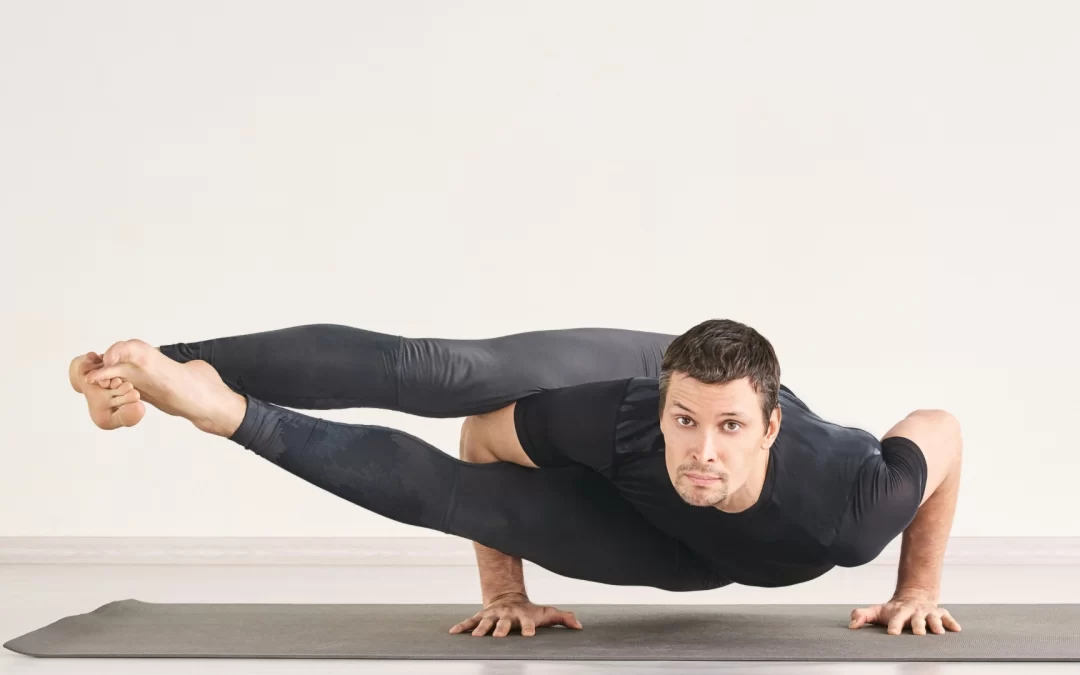
Advanced Yoga Poses are not merely about aesthetics or performing visually striking shapes—they represent the evolution of physical capability, mental clarity, and disciplined practice. These high-level asanas demand a refined combination of power, mobility, control, and awareness, Transforming Yoga from simple movement into a complete mind-body system.
In the modern fitness landscape, yoga has transcended its traditional role as a relaxation method. It is now recognized as a holistic training methodology embraced by athletes, performers, and wellness enthusiasts. Many individuals aspire to reach advanced stages because these postures:
- Challenge the entire musculoskeletal system
- Enhance determination and self-regulation
- Strengthen cognitive focus and emotional stability
However, one essential reality must be acknowledged
Mastery of advanced yoga is a gradual journey, not an instant achievement.
This comprehensive 2026 pillar guide will help you understand and apply:
The true meaning of advanced yoga poses
25+ of the most demanding asanas with advantages
A structured progression framework
Alignment principles and breath control methods
Common errors and injury prevention strategies
Professional insights to accelerate improvement
This is not just informational content—it is a complete transformation roadmap.
What Are Advanced Yoga Poses?
Advanced Yoga Poses are sophisticated physical configurations that require an integrated blend of:
Strength Development
- Core stability and abdominal engagement
- Upper-body endurance (arms, shoulders, wrists)
- Full-body muscular coordination
Flexibility Expansion
- Hip joint openness
- Spinal elasticity and extension
- Shoulder mobility and range
Balance & Coordination
- Precise body awareness
- Dynamic equilibrium
- Neuromuscular synchronization
Mental Focus
- Sustained attention
- Breath awareness
- Cognitive control
Unlike beginner-level movements, these postures demand consistent training over extended periods, often months or years.
Benefits of Advanced Yoga Poses
1. Total-Body Strength Enhancement
Advanced yoga stimulates multiple muscle groups simultaneously, including:
- Core stabilizers
- Upper limbs
- Lower body muscles
Outcome: A resilient, well-conditioned physique
2. Enhanced Mobility and Flexibility
Regular practice improves the range of motion in:
- Spine
- Hamstrings
- Hip flexors
- Shoulder joints
Outcome: Fluid, unrestricted movement patterns
3. Improved Balance and Coordination
These postures refine:
- Proprioception (body awareness)
- Motor control
- Spatial orientation
Outcome: Greater physical precision and stability
4. Mental Resilience and Discipline
You cultivate:
- Focus
- Patience
- Emotional regulation
Outcome: A calm and centered mindset
5. Athletic Performance Optimization
Advanced yoga contributes to:
- Better posture
- Reduced injury risk
- Increased agility
Ideal for athletes and active individuals
Types of Advanced Yoga Poses
| Category | Examples | Focus Area |
| Arm Balances | Crow, Firefly | Strength + Stability |
| Inversions | Handstand, Headstand | Control + Awareness |
| Backbends | Wheel, King Pigeon | Flexibility + Spine |
| Hip Openers | Splits, Compass | Mobility |
| Twists | Eight-Angle Pose | Core + Rotation |
25+ Advanced Yoga Poses
1. Arm Balance Poses
Crow Pose (Kakasana)
- Develops arm endurance
- Enhances equilibrium
Firefly Pose (Tittibhasana)
- Strengthens abdominal muscles
- Improves flexibility
Eight-Angle Pose (Astavakrasana)
- Requires strong core activation
- Improves coordination
Peacock Pose (Mayurasana)
- Reinforces wrist strength
- Supports digestive function
2. Inversion Poses
Handstand (Adho Mukha Vrksasana)
- Builds full-body control
- Enhances spatial awareness
Headstand (Sirsasana)
- Stimulates circulation
- Improves concentration
Forearm Stand (Pincha Mayurasana)
- Develops shoulder stability
- Enhances balance
Scorpion Pose (Vrischikasana)
- Requires spinal flexibility
- Demands advanced control
3. Advanced Backbends
Wheel Pose (Chakrasana)
- Expands chest
- Strengthens the posterior chain
King Pigeon Pose (Raja Kapotasana)
- Deep hip opening
- Improves alignment
Full Bow Pose (Dhanurasana)
- Activates back muscles
- Enhances spinal extension
Camel Pose (Advanced)
- Expands thoracic region
- Improves breathing capacity
4. Flexibility-Based Poses
Splits (Hanumanasana)
- Intense hamstring stretch
Compass Pose
- Opens hips and shoulders
One-Leg Behind Head Pose
- Requires exceptional flexibility
Standing Split
- Combines balance with mobility
5. Elite-Level Poses
Formidable Face Pose (Gandha Bherundasana)
- Extreme spinal extension
- Full-body integration
Lotus Peacock Pose
- Combines strength and flexibility
Dragonfly Pose
- Advanced arm balance with rotation
Step-by-Step Progression to Advanced Yoga
1: Establish Fundamentals
Begin with foundational poses such as:
- Downward Dog
- Plank
- Warrior series
Build a solid base
2: Develop Strength
Focus on:
- Core conditioning
- Push-up variations
- Introductory arm balances
Strength is essential
3: Increase Flexibility
Daily routine should include:
- Stretching sequences
- Hip mobility drills
- Spinal movements
Flexibility reduces injury risk
4: Maintain Consistency
- Practice 4–5 times weekly
- 30–60 minutes per session
Regularity outperforms intensity
5: Progress Gradually
- Use props (blocks, straps)
- Practice near walls
- Increase complexity slowly
Avoid rushing
Proper Form & Alignment
Correct positioning is crucial:
- Engage the core Continuously
- Prevent shoulder collapse
- Maintain spinal integrity
- Distribute weight evenly
Incorrect alignment increases injury risk
Breathing Techniques
Breath governs movement efficiency.
Basic principle:
- Inhale → expand
- Exhale → stabilize
Effective methods:
- Ujjayi breathing
- Diaphragmatic breathing
Breath enhances control and endurance
Muscles Targeted
Advanced yoga activates:
- Core musculature
- Upper body (arms, shoulders)
- Lower body (glutes, legs)
- Stabilizing muscles along the spine
Each posture engages multiple systems simultaneously
Variations (Beginner → Advanced)
| Level | Example |
| Beginner | Plank |
| Intermediate | Crow Pose |
| Advanced | Handstand |
Common Mistakes to Avoid
- Skipping warm-ups
- Forcing range of motion
- Ignoring discomfort
- Practicing with poor technique
- Excessive training
Intelligent practice leads to faster improvement
Safety Tips
- Warm up properly
- Use supportive tools
- Seek professional guidance
- Respect physical limits
- Listen to your body signals
Safety should always be prioritized
Contraindications
Avoid advanced poses if you have:
- Spinal injuries
- Wrist complications
- Hypertension (for inversions)
- Pregnancy (specific postures)
Consult a professional when necessary
Tips for Beginners Entering Advanced Yoga
- Build foundational strength
- Stay consistent
- Practice mindfully
- Focus on technique rather than ego
Progress steadily and safely
Duration & Frequency
- 30–60 minutes per session
- 4–5 sessions weekly
- Include rest and recovery days
Balance effort with restoration
Yoga Philosophy Behind Advanced Practice
Advanced yoga extends beyond physical execution.
It incorporates:
- Discipline (Tapas)
- Concentration (Dharana)
- Mind-body integration
True advancement lies in internal mastery
Diet Tips for Advanced Yoga
Support your training with proper nutrition:
- Consume protein-rich meals
- Maintain hydration
- Eat light before practice
- Include anti-inflammatory foods
Nutrition enhances performance and recovery
Home Practice Routine
| Day | Focus |
| Day 1 | Arm Balances |
| Day 2 | Flexibility |
| Day 3 | Rest |
| Day 4 | Inversions |
| Day 5 | Backbends |
Pros & Cons of Advanced Yoga Poses
Pros
- Builds comprehensive strength
- Enhances flexibility
- Improves focus
- Boosts performance
Cons
- Injury risk if done incorrectly
- Requires time commitment
- Not suitable for beginners
FAQs
No, but they help improve strength, flexibility, and overall performance.
It can take 6 months to several years, depending on practice and consistency.
Yes, because they use more muscles and require more effort.
No. Both are equally important for advanced yoga.
Conclusion
Advanced Yoga Poses represent far more than complex physical shapes—they embody a fusion of strength, mobility, equilibrium, and mental clarity.
The fundamental principle is simple
Consistency + Patience = Progress
Instead of rushing toward difficult poses:
- Develop a strong foundation
- Improve flexibility gradually
- Practice with awareness and safety
With time, your body will adapt, and your capabilities will expand naturally.
Always remember: Yoga is not about perfection—it is about continuous evolution and mindful progression.
