
Introduction
In the contemporary hyper-connected Digital Environment of 2026, human attention is continually split, drowned out, and mentally exhausted. The modern way of life is marked by endless notifications, a high level of information flow, a professional impetus, and emotional overload.
The condition results in what neuroscience regularly terms cognitive saturation, where the brain cannot remain clear, emotionally neutral, and with long-term focus.
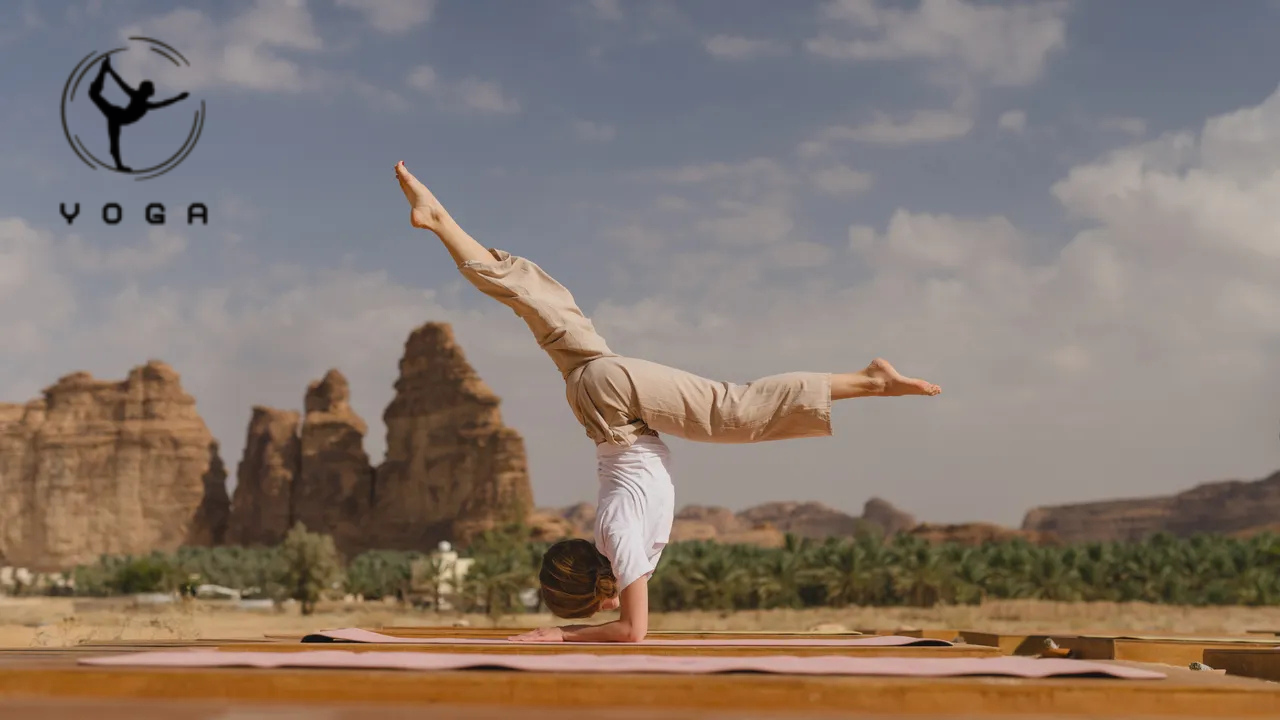
The idea of a Yoga Oasis is a solution in the form of a transformational psychological and physiological solution in this atmosphere.
A Yoga Oasis is not just a physical set-up. It is a mind-space architecture that is holistic; it incorporates environmental design, emotional regulation, and conscious breathing exercises to restore balance in the human nervous system.
Think of it as:
If modern life is a chaotic digital storm
Then, a Yoga Oasis is your internal and external stabilization field
This guide will take you deep into:
- NLP-based interpretation
- Psychological and physiological benefits
- Neurobiological mechanisms behind calmness
- Step-by-step sanctuary creation system
- Advanced lifestyle integration methods
- Common errors and optimization strategies
Let’s begin this deep transformation journey.
What is a Yoga Oasis?
From a Neuro-Linguistic Programming (NLP) perspective, a Yoga Oasis is a state anchoring environment where external stimuli and internal cognition synchronize into calm coherence.
It is a structured or semi-structured environment that facilitates:
- Deep attentional focus
- Emotional recalibration
- Somatic awareness
- Breath-centered regulation
- Cognitive decluttering
A Yoga Oasis can exist as:
A physical space in your home
A dedicated studio environment
A natural outdoor zone
Or even a mentally visualized calm-state anchor
Core NLP Interpretation
A Yoga Oasis emphasizes:
Internal awareness over external distraction
Neuro-relaxation over overstimulation
Mindful presence over reactive thinking
Energetic balance over chaotic output
In simple NLP terms:
A Yoga Oasis is a triggered calm-state environment where your nervous system learns relaxation as a default response.
Deeper Cognitive Meaning
The word “Oasis” symbolizes a restorative sanctuary within cognitive desert-like stress conditions.
In modern psychological interpretation:
- Stress = cognitive overload terrain
- Anxiety = emotional signal distortion
- Fatigue = neural depletion state
- Yoga Oasis = regenerative recovery zone
This makes it a self-regulating psycho-emotional system, not just a practice space.
Symbolic Dimensions
A Yoga Oasis represents:
- Calm within chaos
- Stability within instability
- Awareness within distraction
- Silence within noise
This symbolic duality is what makes it psychologically powerful.
Benefits of a Yoga Oasis
A Yoga Oasis influences the human system on multiple levels: neurological, muscular, emotional, and energetic.
1. Cognitive & Mental Benefits
A Yoga Oasis induces neuro-relaxation states that optimize mental clarity.
Reduces cortisol-driven stress cycles
Enhances executive cognitive function
Improves attention span and memory retention
Decreases mental fragmentation
NLP Insight: The brain begins to associate the space with “safe-state activation,” reducing overthinking patterns.
2. Physiological Benefits
The physical body responds through somatic recalibration:
Muscle tension release
Improved flexibility and mobility
Enhanced posture alignment
Accelerated tissue recovery
Even minimal movement becomes deeply effective due to environmental calmness.
3. Emotional Regulation Benefits
A Yoga Oasis acts as an emotional stabilizer:
Reduces irritability and emotional volatility
Enhances self-awareness loops
Strengthens emotional intelligence
Promotes long-term inner satisfaction
4. Spiritual & Existential Benefits
On a deeper experiential level:
Increased mindfulness perception
Enhanced mind-body integration
Stronger inner identity alignment
Sense of meaning and grounding
Science Behind Yoga Oasis
From a neuroscientific perspective, the effect is rooted in autonomic nervous system regulation.
Biological Mechanism
When entering a calm, structured:
- Cortisol secretion decreases
- Dopamine stabilizes
- Heart rate variability improves
- Amygdala reactivity reduces
This creates a homeostatic equilibrium state.
Parasympathetic Activation System
The parasympathetic nervous system (rest-and-digest mode) becomes dominant:
Slower breathing rhythm
Reduced blood pressure
Improved digestion
Enhanced recovery cycles
This is why individuals often report “instant peace response.”
Types of Yoga Oasis Experiences
1. Home Yoga Oasis
A personalized micro-sanctuary:
Fully customizable environment
Cost-efficient setup
Ideal for daily reinforcement
2. Studio-Based Yoga Oasis
Structured collective environment:
Instructor-guided flow
Group energy synchronization
Discipline-based practice
3. Retreat Yoga Oasis
Immersive transformation environment:
Digital detox integration
Nature immersion
Deep psychological reset
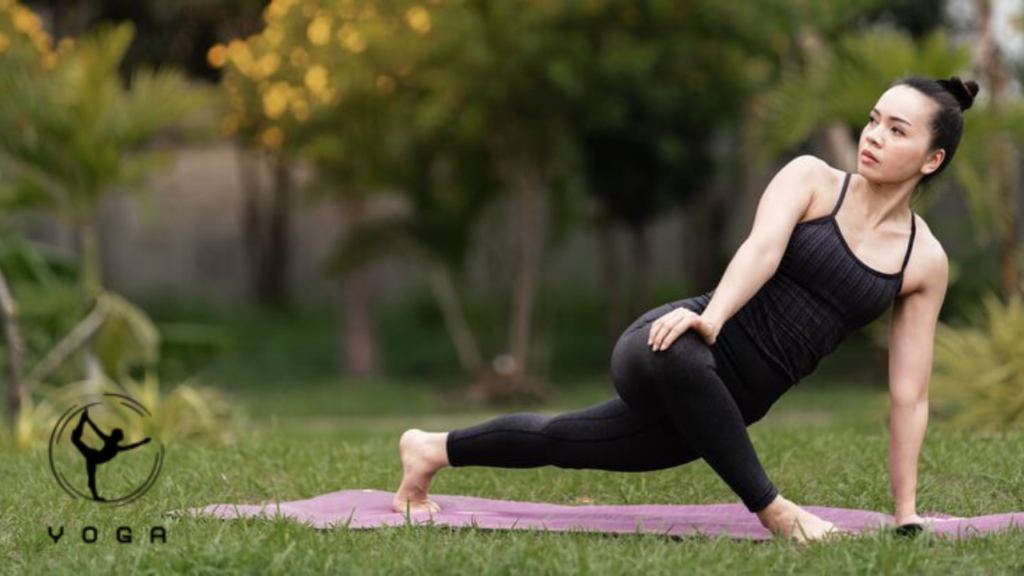
4. Outdoor Yoga Oasis
Nature-based experiential grounding:
Parks and green zones
Beaches and natural landscapes
Mountain or forest settings
Natural auditory stimuli amplify the parasympathetic relaxation response.
Comparison Table: Yoga Oasis vs Regular Yoga
| Feature | Yoga Oasis | Regular Yoga |
| Environment | Immersive calm ecosystem | Standard practice space |
| Focus | Mind-body-soul integration | Physical movement |
| Experience | Deep transformation | Routine exercise |
| Emotional Impact | High stabilization | Moderate effect |
| Mindfulness Level | Elevated awareness state | Basic mindfulness |
How to Create Your Own Yoga Oasis
1: Select Optimal Space
Choose a location with:
Minimal noise interference
Natural light exposure
Air Circulation flow
2: Environmental De-Cluttering
Remove cognitive noise triggers:
Eliminate unnecessary objects
Simplify the visual field
Create spatial openness
3: Lighting Optimization
Light affects neural rhythm:
Warm ambient lighting
Candle-based soft glow
Natural sunlight integration
4: Essential Equipment Setup
Minimalistic requirement set:
Yoga mat
Meditation cushion
Soft blanket
5: Natural Element Integration
Biophilic design enhances relaxation:
Indoor plants
Wooden textures
Natural stones
6: Auditory Environment Design
Soundscapes influence cognitive states:
Ambient meditation music
Nature sound loops
Controlled silence
7: Aromatherapy Layering
Olfactory stimulation improves emotional balance:
Lavender essence
Sandalwood aroma
Herbal incense
8: Digital Boundary Enforcement
Critical for neurocalm stability:
No mobile interruptions
No social media exposure
No multitasking environments
9: Ritual Formation
Consistency creates neural anchoring:
Fixed practice timing
Repetitive daily structure
Stable emotional framing
10: Closure with Gratitude Loop
End session with:
Deep respiratory cycles
Reflective silence
Gratitude visualization
Yoga Oasis Practice Routine
1. Breath Regulation (5 Minutes)
Controlled inhalation-exhalation cycles stabilize the autonomic response.
2. Warm-Up Phase (5 Minutes)
Gentle mobility activation enhances muscle readiness.
3. Yoga Flow Sequence (15 Minutes)
Includes:
- Sun Salutations
- Forward flexion patterns
- Rotational spinal movements
4. Relaxation Phase (5 Minutes)
Deep rest posture (Shavasana) consolidates physiological reset.
Common Mistakes to Avoid
Overengineering the setup
Inconsistent practice schedule
Ignoring breath awareness
Digital distraction during sessions
Treating yoga as mechanical fitness
Tips for Beginners
Start with short 10–15 minute sessions
Focus on breathing over posture perfection
Avoid performance pressure
Maintain consistency over intensity
Keep the environment minimal
Yoga Lifestyle Diet Integration
A Yoga Oasis extends into nutritional behavior:
Fresh whole foods
Hydration consistency
Light pre-practice meals
Natural dietary patterns
Pros and Cons of a Yoga Oasis
Pros
Deep psycho-emotional relaxation
Enhanced cognitive clarity
Stable emotional regulation
Improved physical well-being
Sustainable lifestyle transformation
Cons
Requires consistency discipline
Needs initial setup effort
Results develop progressively over time
Future of Yoga Oasis (2026 and Beyond)
The Yoga Oasis concept is evolving into a global wellness architecture system.
Future developments include:
Smart adaptive meditation environments
AI-guided neuro-relaxation rooms
Fully digital detox architectural homes
Biofeedback-integrated yoga spaces
The Yoga Oasis will become a lifestyle operating system for human well-being.
FAQs
Yes, it is perfect for all levels.
No. A mat and quiet space are enough.
4–5 times per week is ideal for best results.
Yes. Even a small corner can become your personal sanctuary.
A Yoga Oasis is a peaceful environment designed for yoga, mindfulness, and emotional healing.
Conclusion
A Yoga Oasis is not just a physical arrangement—it is a neuro-psychological transformation system that reshapes how you think, feel, and exist.
It enables:
Mental Deceleration
Emotional stabilization
Physical relaxation
Inner awareness expansion
Conscious lifestyle integration
In a world dominated by noise and acceleration, your Yoga Oasis becomes your engineered silence field.
Start small
Stay consistent
Expand gradually
Because true peace is not discovered—it is systematically constructed within your own Yoga Oasis.
