
Introduction
In 2026, Thai yoga massage has evolved into one of the most sought-after wellness therapies across the globe—and it is no longer limited to yoga enthusiasts or fitness communities.
Modern life is demanding, fast-paced, and often exhausting.
People spend extended hours sitting at desks, staring at digital screens, and dealing with persistent stress, muscular stiffness, poor posture, and chronic fatigue. While many individuals try gym workouts, stretching routines, or conventional massage therapies, they still experience tightness, discomfort, and low energy levels.
That is why a growing number of people are actively searching for:
- “Thai yoga massage near me”
- “Best Thai Massage Therapy”
- “Benefits of Thai massage”
This is exactly where Thai yoga massage stands out as a transformative solution.
Unlike ordinary massage techniques, this therapy is not just about muscle relaxation—it delivers a comprehensive, full-body therapeutic experience that integrates:
- Yoga-inspired stretching
- Deep pressure manipulation
- Energetic alignment and balancing
It is often described as:
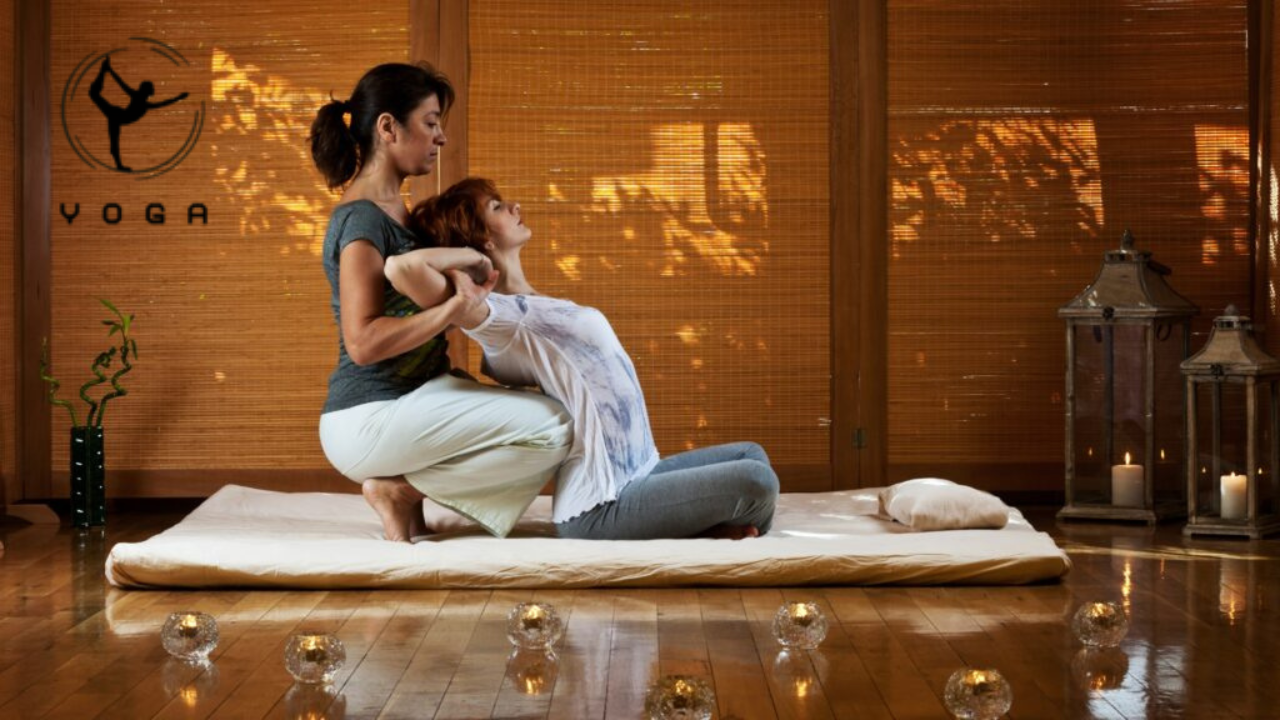
“Lazy Yoga” — because instead of actively performing movements, the practitioner guides your body through stretches and positions.
In this complete, in-depth guide, you will discover:
- What Thai yoga massage truly is
- How it works (scientific + traditional perspectives)
- Benefits and potential risks
- Updated pricing in 2026
- What happens during a real session
- How to find the best massage near you
Let’s begin.
What Is Thai Yoga Massage?
Thai yoga massage, also known as Nuad Thai, is an ancient healing practice originating in Thailand over 2,500 years ago. It blends elements of yoga, acupressure, and energy work into a unique therapeutic system.
This method integrates three core components:
1. Assisted Yoga Stretching
Your therapist gently moves, extends, and positions your body into yoga-like postures, improving flexibility and joint mobility.
2. Acupressure Techniques
Targeted pressure is applied to specific points on the body to relieve tension, stimulate circulation, and restore balance.
3. Energy Line Therapy (Sen Lines)
The therapy focuses on invisible energy channels, believed to regulate vitality and internal harmony.
Key Concept: “Lazy Yoga”
Thai massage differs significantly from other modalities:
- You remain fully clothed
- No oils or lotions are used
- You lie on a comfortable floor mat instead of a table
The therapist uses multiple body parts, including:
- Hands
- Elbows
- Knees
- Feet
These are used to press, stretch, mobilize, and rhythmically move your body.
This creates a deeply immersive, dynamic, and rejuvenating experience that goes beyond simple relaxation.
How Thai Yoga Massage Works (Science + Tradition)
Traditional Thai massage is based on the concept of Sen lines, which are thought to carry life energy throughout the body.
Primary Goals
- Remove energetic blockages
- Enhance blood circulation
- Restore physical and mental equilibrium
Scientific Explanation
Modern science interprets Thai massage through physiological mechanisms:
Myofascial Release
Releases tight connective tissues and alleviates stiffness.
Stretch Reflex Activation
Improves flexibility and increases range of motion.
Nervous System Regulation
Activates the parasympathetic system, reducing stress and promoting relaxation.
Core Techniques Used
- Deep compression
- Passive stretching
- Joint mobilization
- Rhythmic rocking
These techniques simultaneously provide:
- Deep relaxation
- Increased vitality and energy
Proven Benefits of Thai Yoga Massage
Physical Benefits
1. Improves Flexibility
Muscles become elongated, supple, and more responsive.
2. Reduces Back Pain
Effective in relieving chronic lower back discomfort and tension.
3. Enhances Blood Circulation
Improves oxygen delivery and nutrient flow throughout the body.
4. Improves Posture
Corrects imbalances caused by prolonged sitting and sedentary habits.
Mental & Emotional Benefits
5. Reduces Stress & Anxiety
Calms the nervous system and promotes mental clarity.
6. Boosts Energy
Leaves you feeling revitalized rather than drowsy.
7. Improves Sleep
Encourages deeper and more restorative sleep cycles.
Holistic Benefits
- Balances internal energy systems
- Strengthens mind-body awareness
- Supports natural healing processes
Thai Massage vs Other Massage Types
| Feature | Thai Yoga Massage | Swedish Massage | Deep Tissue Massage |
| Movement | Active (stretching) | Passive | Passive |
| Clothing | Fully clothed | Undressed | Undressed |
| Oils | No | Yes | Sometimes |
| Pressure | Moderate to strong | Light to medium | Deep |
| Goal | Flexibility + energy | Relaxation | Muscle recovery |
Key Takeaway
- Choose Thai massage → flexibility + vitality
- Choose Swedish massage → calmness + relaxation
- Choose deep tissue → pain relief + muscle repair
What Happens During a Thai Massage Session?
Here is a realistic, step-by-step breakdown:
Preparation
- Wear loose, breathable clothing
- Avoid heavy meals beforehand
- Communicate your needs with the therapist
Starting Position
You lie comfortably on a mat, and the session typically begins with the feet.
Full-Body Flow
The therapist works progressively:
Feet → Legs → Hips → Back → Arms → Head
Assisted Stretching
You may experience:
- Leg extensions
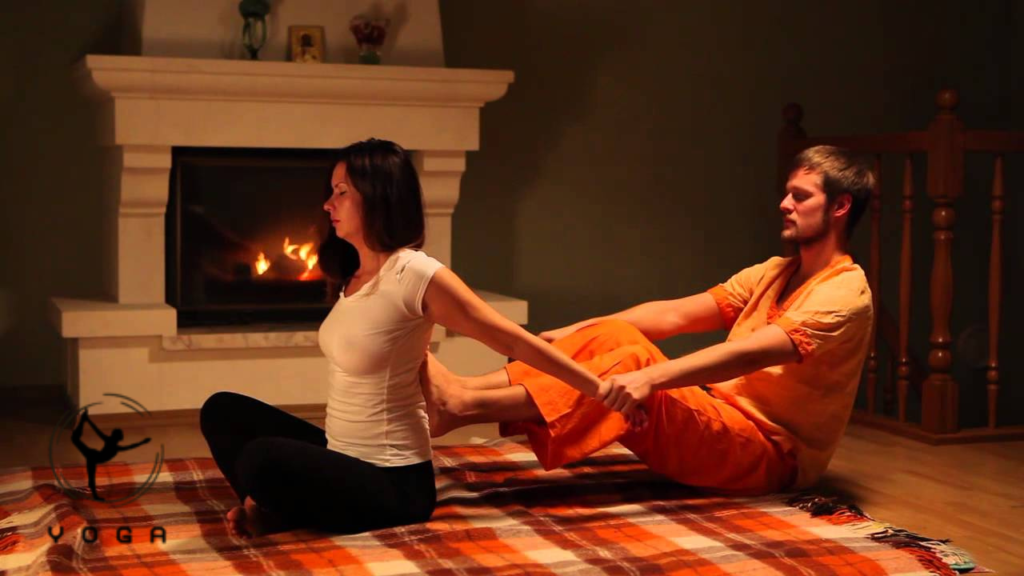
- Spinal twists
- Gentle backbends
Pressure Techniques
Applied using:
- Palms
- Thumbs
- Elbows
- Knees
Duration
| Time | Experience |
| 60 min | Basic session |
| 90 min | Deep therapeutic work |
| 120 min | Full-body intensive treatment |
Longer sessions generally deliver more profound results.
Does Thai Massage Hurt?
Honest answer: It can feel intense, but it should not be painful.
You may feel:
- Deep pressure
- Stretching discomfort
- Muscle release sensations
Important Rule:
Pain does not equal effectiveness. Always communicate with your therapist.
Thai Massage Price Guide (2026)
| Session Length | Price Range |
| 60 minutes | $30 – $80 |
| 90 minutes | $50 – $120 |
| 120 minutes | $80 – $180 |
Factors Affecting Price
- Geographic location
- Therapist expertise
- Spa quality and ambiance
- Authentic vs commercial services
How to Find the Best Thai Massage Near You
What to Search
- Thai yoga massage near me
- Best Thai spa near me
- Authentic Thai massage clinic
What to Look For
- Certified professionals
- Clean and hygienic environment
- Positive customer feedback
- Traditional techniques
Red Flags
- Extremely low pricing
- Lack of certification
- Poor hygiene standards
- Missing or unclear information
Step-by-Step: How to Prepare for Your First Session
- Wear comfortable clothing
- Stay hydrated
- Avoid heavy meals
- Arrive early
- Share medical conditions
Proper Body Alignment & Form
During the session:
- Stay relaxed
- Avoid resisting movements
- Trust the therapist’s guidance
Relaxation enhances effectiveness.
Breathing Technique
Proper breathing significantly improves your experience:
- Inhale through the nose
- Exhale slowly
- Sync breath with movement
This minimizes Discomfort and promotes calmness.
Muscles Targeted
Thai massage engages multiple muscle groups:
- Hamstrings
- Quadriceps
- Lower back
- Shoulders
- Neck
- Hip flexors
It delivers a comprehensive, full-body treatment.
Variations of Thai Massage
Beginner Level
- Gentle pressure
- Mild stretches
Intermediate
- Moderate intensity
- Deeper stretches
Advanced
- Strong pressure
- Complex yoga-like positions
Common Mistakes to Avoid
- Choosing unqualified therapists
- Not communicating discomfort
- Eating heavily before sessions
- Expecting only relaxation
Safety Tips
- Verify therapist credentials
- Disclose medical history
- Drink water afterward
- Avoid intense activity post-session
Who Should Avoid Thai Massage?
Not recommended for individuals with:
- Heart conditions
- Severe osteoporosis
- Recent surgeries
- Pregnancy (without specialist approval)
- Serious injuries
Always consult a healthcare professional if unsure.
Tips for Beginners
- Start with a 60-minute session
- Choose experienced practitioners
- Be patient with the process
- Allow your body to relax fully
Duration & Frequency Guide
| Goal | Frequency |
| Relaxation | Once a month |
| Pain relief | Weekly |
| Flexibility | 2–3 times/month |
Yoga Philosophy Behind Thai Massage
Thai massage is deeply influenced by:
- Buddhist healing traditions
- Ayurvedic medicine
- Energy balancing principles
Focus Areas
- Mind-body integration
- Natural healing
- Energy flow optimization
Diet Tips for Better Results
- Stay hydrated
- Eat light meals
- Avoid alcohol
- Consume anti-Inflammatory foods
Home Care & Complementary Practices
Enhance results with:
- Light stretching
- Yoga practice
- Foam rolling
- Meditation
Pros & Cons of Thai Yoga Massage
Pros
- Improves flexibility
- Reduces pain
- Boosts energy
- Full-body therapy
- No oils required
Cons
- Can feel intense
- Not suitable for everyone
- Requires skilled therapists
- Not purely relaxation-focused
FAQs
Yes. Start with gentle pressure and communicate your comfort level.
1–2 times per month is ideal; weekly for pain relief.
It depends on your goal. Thai is better for flexibility and energy.
Loose, comfortable clothing.
Yes. It is highly effective for relieving back pain.
Conclusion
Thai yoga massage is far more than a simple therapy—it is a complete healing system designed to restore balance, improve mobility, and enhance overall well-being.
In a world filled with stress, fatigue, and physical discomfort, it offers a natural and holistic solution that supports:
- Physical Health
- Mental clarity
- Energetic balance
Whether you are:
- An office worker dealing with stiffness
- An athlete seeking recovery
- Someone managing stress or chronic pain
This therapy can significantly transform how your body feels and functions.
